
Carney to Xi: Canada Weighs Chinese Auto Investment as U.S. Talks Stall
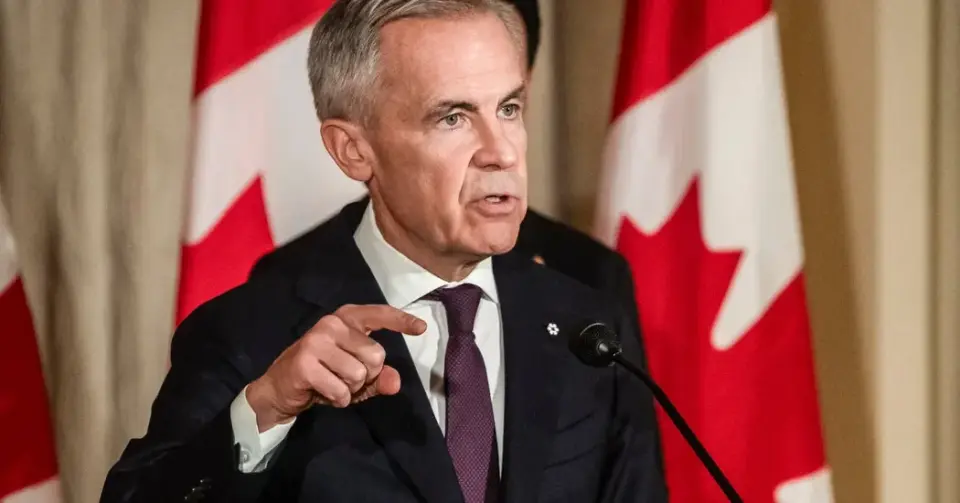
Canadian Prime Minister Mark Carney is set to meet Chinese President Xi Jinping in Shenzhen this week to deepen economic ties, specifically regarding the automotive sector. Carney stated that if trade negotiations with the United States fail to preserve an integrated North American auto industry, Canada may turn to Chinese, European, or Japanese manufacturers. This move follows a January agreement that reduced tariffs on Chinese electric vehicles in exchange for lower Chinese tariffs on Canadian agricultural products. While Carney emphasizes that U.S. talks remain his priority, he noted that any Chinese investment must involve substantial manufacturing in Canada, not just assembly. Experts warn that while economic ties are strengthening, national security concerns regarding Chinese interference remain unchanged.
Key points
- Carney will meet Xi Jinping in Shenzhen during the APEC summit to discuss auto manufacturing and trade.
- Canada could pivot to Chinese automakers if U.S. trade talks fail to protect the integrated North American auto industry.
- A January deal cut Canadian tariffs on Chinese electric vehicles to 6.1% in exchange for lower Chinese tariffs on canola and other agricultural goods.
- Carney insists any Chinese investment must include domestic manufacturing facilities and supply chains, not just kit car assembly.
- Security experts argue that while economic ties deepen, the threat of Chinese interference in Canadian affairs has not fundamentally changed.
Background
This visit follows Carney’s recent push to diversify trade away from the U.S., which accounts for 72% of Canadian exports. In late October, Quebec separatists returned to power, creating new domestic friction for Ottawa. Just days ago, Carney concluded free-trade negotiations with the Philippines and pledged $540 million to a Brazil rainforest fund. He also recently signaled progress in U.S. trade talks but maintained that any deal must protect the automotive sector from 50% U.S. tariffs on $20 billion in goods.
How outlets are covering it
The New York Times frames Carney’s trip as a strategic pivot, noting that while he courts Europe, Asia offers greater economic opportunity. AP News highlights the specific leverage of Chinese auto investment, quoting Carney’s assertion that U.S. trade actions have fragmented the North American market. Bloomberg focuses on the 25% U.S. tariffs on cars built in Canada and Mexico as the primary driver for seeking alternative partners. CBC provides a critical counterpoint, citing security experts who warn that Canada’s smaller economy makes it more vulnerable to economic coercion than the U.S., despite Carney’s claims that security risks are lower than those faced by Washington. CBC also notes Carney’s intent to raise concerns about foreign interference directly with Xi.
Why it matters
The outcome of these talks could reshape North American supply chains. If U.S. tariffs persist, Canada may integrate Chinese manufacturing, potentially altering the competitive landscape for the Detroit Three (Ford, GM, Stellantis). This shift also tests the limits of Canada’s dual strategy: maintaining security guardrails against Chinese interference while pursuing economic diversification to reduce reliance on a volatile U.S. trade partner.
What to watch
Carney and Xi are expected to meet on Tuesday and Wednesday in Shenzhen. The immediate focus will be on the terms of any new auto investment deals and whether U.S. trade negotiations will yield a breakthrough before Carney returns home. The January agreement’s cap on Chinese electric vehicle imports is set to increase over time, making the scope of future investment a key variable.
- A Year On, Canada’s Mark Carney Returns to China a Political Star The New York Times
- Carney says Canada could turn to Chinese automakers if Trump trade talks fail AP News
- Carney Eyes Auto Partners Beyond US as Xi Meeting Looms Bloomberg.com
- Carney sets out to deepen ties with China. Has the threat landscape changed? CBC
- Mark Carney sets terms for Chinese auto investment as he heads to Asia-Pacific summit in China Toronto Star
Want the full story? Read the original reporting
Read on The New York Times