
ECHR Grand Chamber declares Kavala conviction null, orders immediate release
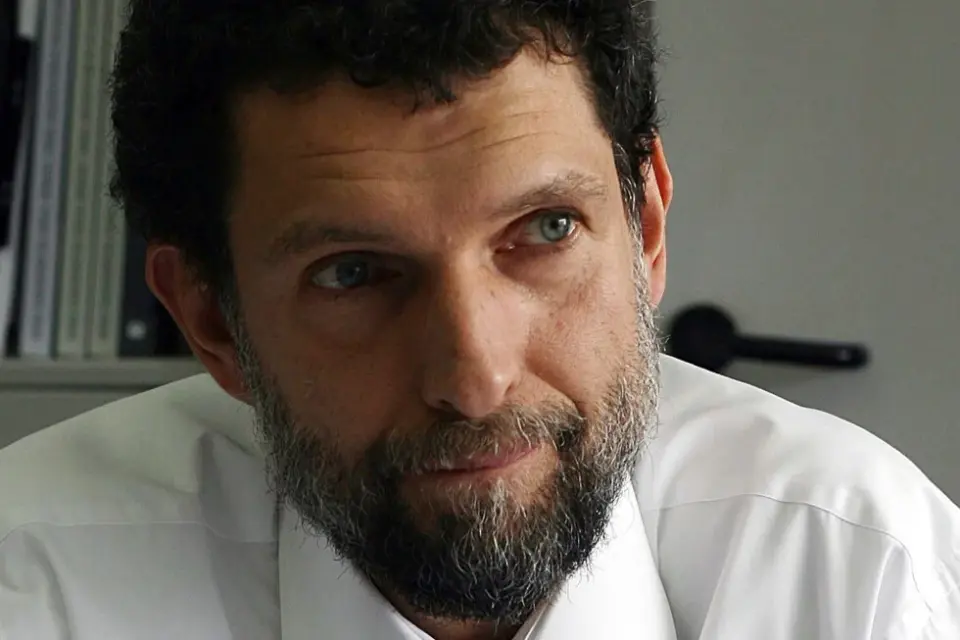
The European Court of Human Rights (ECHR) Grand Chamber ruled 15-2 that Turkey must immediately release philanthropist Osman Kavala and erase his life sentence, declaring the conviction null and void. The court found Turkey’s judiciary engaged in a 'systemic problem' of prosecuting political opponents, violating Kavala’s rights to a fair trial and free expression. Despite two prior ECHR rulings, Turkey has not complied, raising concerns about its adherence to international law.
Key points
- ECHR Grand Chamber ordered Turkey to release Osman Kavala and annul his 2022 life sentence within days.
- The court found Kavala’s detention was politically motivated to silence him for his role in the 2013 Gezi Park protests and human rights work.
- Turkey’s judiciary was criticized for lacking independence, with judges who acquitted Kavala facing disciplinary action.
- Kavala was awarded 70,000 euros for nonfinancial harm and 43,342.57 euros in legal costs.
- Turkey has previously ignored two ECHR rulings on Kavala, and it remains unclear if Ankara will comply with this third binding order.
Background
Osman Kavala, a 68-year-old philanthropist and founder of the cultural nonprofit Anadolu Kültür, was arrested in 2017 on charges of orchestrating the 2013 Gezi Park protests and later linked to a 2016 coup attempt. He was acquitted in 2020 but rearrested, eventually sentenced to life in prison in 2022. The ECHR had previously ruled his detention arbitrary in 2019 and found Turkey in violation of its 2022 judgment, but Ankara refused to comply. This latest ruling is the third binding ECHR decision on his case, with the Council of Europe’s Committee of Ministers expected to address compliance in September.
How outlets are covering it
AP News and BBC report the ECHR’s ruling as a decisive condemnation of Turkey’s judiciary, emphasizing the 'systemic problem' of detaining political opponents. Courthouse News highlights the Grand Chamber’s 15-2 vote and the unprecedented nature of the judgment, noting that Kavala’s lawyer called it 'unequivocal.' While all sources agree on the court’s findings, BBC and AP focus on the political implications for Turkey’s relationship with the West, whereas Courthouse News details the legal specifics, including the dissenting opinions and the award of damages. Turkish authorities maintain their courts are independent, but the ECHR’s findings contradict this, citing structural shortcomings in judicial impartiality.
Why it matters
The ECHR’s ruling underscores ongoing tensions between Turkey and European institutions over rule of law and human rights. Kavala’s case has become a symbol of Turkey’s crackdown on civil society, and the court’s decision may pressure the Council of Europe to enforce compliance through punitive measures. It also highlights the risks of judicial independence in Turkey, where political pressure on courts could deter public dissent and activism.
What to watch
The Council of Europe’s Committee of Ministers is expected to prioritize the Kavala case in a mid-September meeting, potentially debating harsh punitive measures against Turkey for non-compliance. Turkish law allows the reopening of criminal proceedings to erase the conviction’s consequences, but it remains unclear if Ankara will implement the ECHR’s order. Kavala’s legal team will likely monitor for compliance, while human rights groups may escalate advocacy efforts if Turkey continues to ignore the ruling.
- European court says the Turkish judiciary has a 'systematic problem' in ruling on philanthropist AP News
- European Court of Human Rights orders Turkey to free Osman Kavala BBC
- European court orders Turkey to release philanthropist Osman Kavala Yahoo
- European court lobs third order to free Turkish activist jailed for life Courthouse News
- Turkey Kavala European Court dailyrecordnews.com
Want the full story? Read the original reporting
Read on AP News