
ECHR rules against Poland and Latvia for migrant pushbacks, but upholds border controls
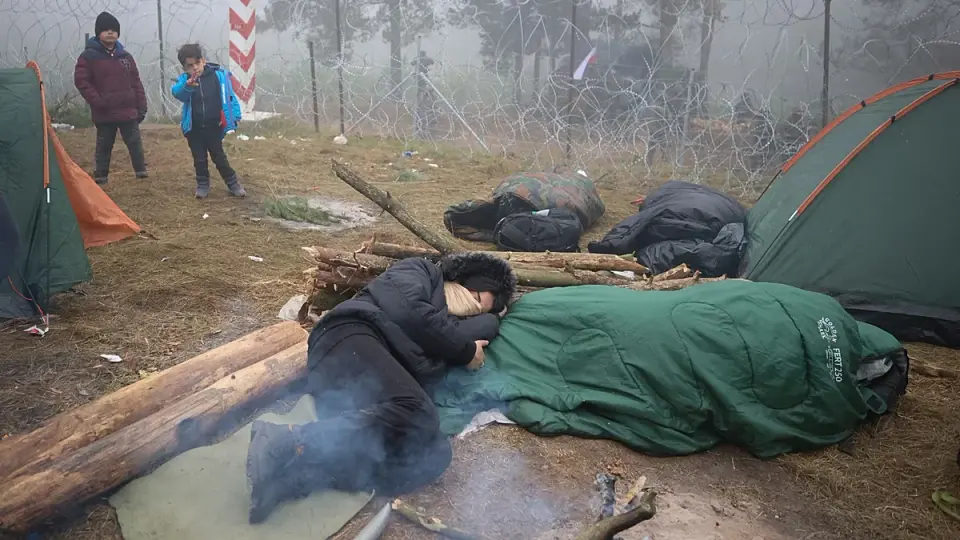
The European Court of Human Rights (ECHR) ruled that Poland and Latvia violated human rights by pushing back specific migrants from Belarus in 2021, but affirmed that states may reject 'instrumentalized' migration. The court found violations only for vulnerable individuals, such as children and those with interim protection orders, while rejecting claims from adult migrants in Lithuania and Latvia who lacked evident vulnerability. Poland hailed the ruling as a victory for its border policies, while human rights groups criticized the narrowed protection.
Key points
- The ECHR Grand Chamber ruled that Poland and Latvia violated Article 3 (prohibition of inhuman treatment) by returning specific migrants to Belarus in 2021.
- The court found violations for an Afghan man in Poland who had an interim protection order and for Iraqi Kurdish children in Latvia, deeming them 'extremely vulnerable.'
- The ECHR affirmed that states have the right to control borders and reject migrants 'instrumentalized' by Belarus to destabilize EU countries, without automatically violating human rights.
- Claims by adult migrants in Latvia and Lithuania were rejected because they did not demonstrate 'evident personal vulnerabilities' or immediate risk of ill-treatment.
- Poland was ordered to pay €25,000 in compensation to two Afghan men, while Latvia was criticized for poor conditions in border camps.
- The ruling was described as a 'victory' by Polish officials but a 'devastating blow' to human rights protections by Amnesty International.
Background
This ruling follows years of 'hybrid' pressure from Belarus and Russia against EU eastern borders. In 2021, Belarus facilitated the movement of tens of thousands of migrants from Asia and Africa into Poland, Lithuania, and Latvia to destabilize these nations. Poland subsequently implemented strict border controls, including a ban on asylum claims for irregular crossers, leading to a 98% drop in attempted crossings by 2026. The current ruling occurs amidst ongoing tensions, including a recent Russian missile crash in Poland and a constitutional crisis in Warsaw over judicial independence.
How outlets are covering it
Polish Deputy Interior Minister Maciej Duszczyk hailed the ruling as a 'victory' that endorses Poland's tough border policies, noting the court's recognition of the right to defend against 'instrumentalized' migration. Conversely, Amnesty International called the decision a 'devastating blow' to the absolute prohibition of torture, arguing that limiting protection only to those with 'evident vulnerabilities' creates a dangerous precedent. The Helsinki Foundation for Human Rights noted the ruling clarified that states need not assess asylum access in the instrumentalizing state, while Euronews highlighted the potential precedent for future cases, such as the Ceuta crisis. Notes From Poland emphasized the court's rejection of claims by adult migrants who did not show specific risk, contrasting with the findings for children and those with interim orders.
Why it matters
The ECHR ruling establishes a new legal standard for handling 'instrumentalized' migration, balancing state security with human rights. It confirms that while states can reject migrants used as political tools, they must still assess individual vulnerabilities, particularly for children and those with interim protection. This precedent may influence future border policies across the EU, especially regarding the Ceuta crisis and other hybrid threats, while intensifying debates over the absolute nature of human rights protections in emergency situations.
What to watch
Poland and Latvia must implement the ECHR's binding judgments, including paying compensation to the affected Afghan and Iraqi applicants. Amnesty International is studying the findings to issue a full response and may pursue further legal challenges. The ruling may influence EU-wide asylum policies, particularly regarding the treatment of migrants in 'instrumentalized' scenarios, and could lead to increased scrutiny of border practices in other member states facing similar hybrid threats.
- Poland, Latvia violated human rights by removing migrants to Belarus Euronews.com
- European court finds states can turn back migrants in some cases DW.com
- Poland, Lithuania and Latvia violated rights of migrants sent back to Belarus, finds European court Notes From Poland
- Europe: Judgments on ‘instrumentalization’ of migration a devastating blow to the absolute prohibition of torture Amnesty International
- A.R. and Others v. Poland, H.M.M. and Others v. Latvia and C.O.C.G. and Others v. Lithuania ECHR
Want the full story? Read the original reporting
Read on Euronews.com