
Gaza’s olive industry collapses as West Bank harvest faces record settler violence
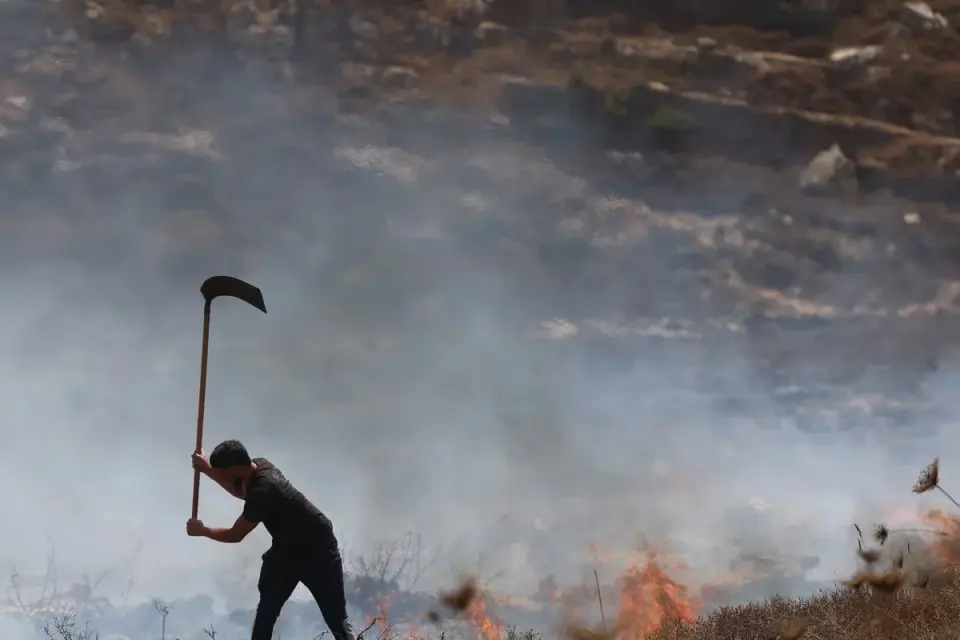
Gaza has lost over 90% of its olive trees due to military bulldozing, while West Bank farmers face unprecedented settler violence during the 2026 harvest. The destruction threatens regional food security and cultural heritage, with UN agencies urging immediate protection for Palestinian growers.
Key points
- Gaza’s olive grove area has shrunk by 90%, from 50,000 dunams to 5,000, with 1.85 million trees destroyed by Israeli military operations.
- Olive oil production in Gaza has plummeted from 5,000 tonnes to 700 tonnes annually, creating an 85% food deficit for the population.
- West Bank settler attacks on harvesters reached a 20-year UN record high, with over 400 incidents in October alone causing injuries and property damage.
- The IDF justifies land clearing as a 'military necessity' to expose tunnels, while critics describe it as an engineered operation to create buffer zones.
- Ancient olive varieties like Al-Suri and Nabali Baladi are disappearing due to drought, lack of irrigation, and inability to access fields for maintenance.
Background
Previous coverage highlighted escalating tensions during the 2026 harvest, including the detention of international volunteers and rare arrests of settlers. The current situation marks a significant escalation in both physical destruction in Gaza and violent confrontation in the West Bank, contrasting with earlier periods where harvests, though difficult, remained largely intact.
How outlets are covering it
The Independent and Middle East Eye emphasize the catastrophic scale of destruction in Gaza, citing specific data on tree loss and production declines. They frame the military actions as intentional and devastating to long-term food security. CBC and AP News focus on the West Bank, highlighting the surge in settler violence and the failure of Israeli authorities to protect farmers. While the IDF describes land clearing as a security measure to prevent tunnel use, UN agencies and local farmers argue these actions constitute a systematic effort to displace Palestinians and destroy their livelihoods. The sources agree on the severity of the crisis but differ in focus: Gaza’s structural collapse versus the West Bank’s acute violence.
Why it matters
The destruction of olive groves threatens the cultural and economic foundation of Palestinian society, with ancient varieties potentially lost forever. The crisis exacerbates food insecurity in Gaza and undermines the stability of the West Bank, where violence during harvests has reached historic levels. International observers warn that without safe access to land and resources, the region faces a generational agricultural deficit.
What to watch
UN agencies are urging Israeli authorities to end attacks and ensure safe access to agricultural land. Farmers in Gaza are struggling to maintain remaining trees due to lack of water and fertilizers, while West Bank communities continue to face daily threats during the closing harvest window. The long-term impact on food production and cultural heritage remains uncertain as military restrictions persist.
- Israel has almost wiped out Gaza’s ancient olive trees The Independent
- Israeli settler violence at unprecedented levels during Palestinian olive harvest CBC
- Photos show Palestinians harvesting olives under threat from Israeli settlers in the West Bank AP News
- Israel has not acted on calls to protect Palestinian olive farmers, Ocha says Middle East Eye
- 100,000 Families at Risk as Settler Attacks Devastate Palestinian Olive Harvest Palestine Chronicle
Want the full story? Read the original reporting
Read on The Independent