
Russian frigate collision with tanker off UK sparks execution threats amid fuel crisis
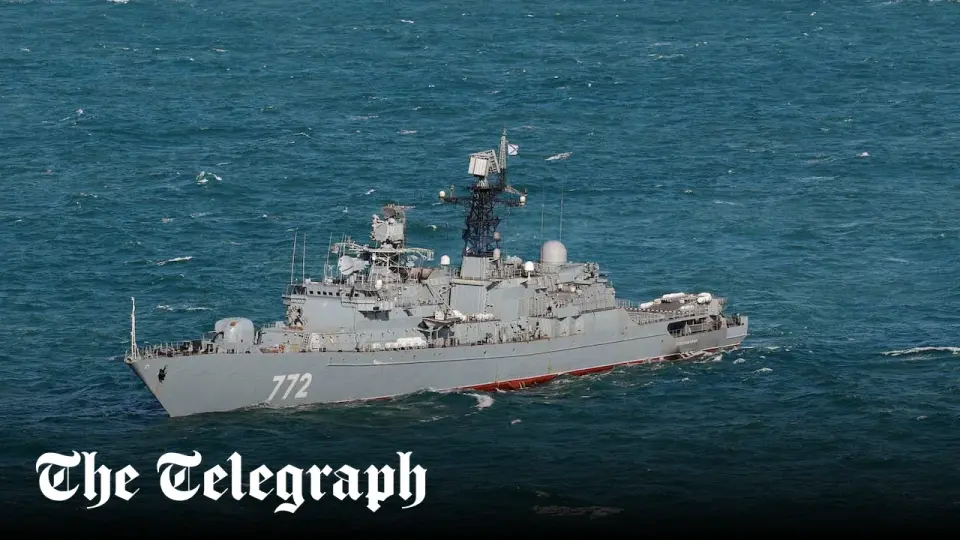
Intercepted radio transmissions reveal that crew members of the Russian frigate Neustrashimy threatened to execute a fellow sailor after the warship collided with a refueling tanker off the UK coast. The incident occurred between October 21 and 23, 2026, near the Galloper Wind Farm, as the frigate attempted to replenish fuel in rough seas. The Neustrashimy had only two days of fuel remaining at the time. After the failed operation, both vessels abandoned the attempt and moved to calmer waters off eastern Scotland to complete the refueling. The incident highlights the strain on Russia’s aging naval fleet, which is tasked with escorting shadow fleet tankers through UK waters. British forces, including HMS Tyne and an MQ-9B drone, monitored the operation throughout.
Key points
- The Russian frigate Neustrashimy collided with the oil tanker Valentin Rykov during a failed refueling attempt off the coast of Essex between October 21 and 23, 2026.
- Intercepted radio transmissions show a crew member threatened to 'execute' an engineer on the helipad after delays in the refueling operation caused by paperwork issues.
- The Neustrashimy had only two days of fuel remaining at the time of the incident, forcing the crew to attempt refueling in poor weather and rough seas.
- After the collision, both vessels abandoned the operation and moved to calmer waters off eastern Scotland to complete the refueling, with the Valentin Rykov later returning to Kaliningrad.
- British forces, including HMS Tyne and an MQ-9B Protector drone, monitored the Russian vessels throughout the operation, which was described as 'shambolic' by a defense source.
- The incident raises concerns about the safety of Russia’s aging naval fleet, which is tasked with escorting shadow fleet tankers through UK waters, and the potential for oil spills in British waters.
Background
This incident occurs amid a significant increase in Russian naval activity around British waters, with a 25% rise in the first seven months of 2026 compared to the same period in 2025. The UK has been actively monitoring Russian vessels, including the interception of the spy ship Viktor Leonov in October 2026 and the boarding of the shadow fleet tanker Smyrtos in June 2026. The Neustrashimy has been deployed in UK waters for months, guarding shadow fleet tankers and potentially mapping undersea cables, as part of a broader Russian strategy to protect its oil exports and gather intelligence.
How outlets are covering it
The Telegraph and The i Paper emphasize the severity of the incident, highlighting the execution threats and the potential for oil spills, while The Maritime Executive focuses on the technical challenges of the refueling operation and the lack of expertise in the Russian Navy. UNITED24 Media provides a broader context of Russian naval activity and the UK’s response, including the deployment of drones and warships to monitor Russian vessels. All sources agree on the basic facts of the collision and the subsequent move to Scotland, but differ in their emphasis on the implications for naval safety and geopolitical tensions.
Why it matters
The incident underscores the growing tensions between Russia and the UK over naval activities in British waters, as well as the strain on Russia’s aging naval fleet. The execution threats and the potential for oil spills raise concerns about the safety of maritime operations and the potential for environmental damage. The incident also highlights the UK’s efforts to monitor and counter Russian naval activity, including the deployment of drones and warships, and the broader geopolitical implications of Russia’s shadow fleet and its impact on global energy markets.
What to watch
The Neustrashimy is expected to return to patrol in the North Sea and English Channel, while the Valentin Rykov may support the deployment of the Admiral Grigorovich, which could take over the role of the North Sea and English Channel picket. The UK is likely to continue monitoring Russian naval activities, including the deployment of drones and warships, and may face increased pressure to address the potential for oil spills and other safety concerns. The incident may also lead to further discussions about the safety of Russia’s aging naval fleet and the need for international cooperation to ensure maritime safety.
- Russians threatened to kill crewmate after warship crashed in UK waters The Telegraph
- Failed Russian Navy Refueling Attempt Leads to Rancor The Maritime Executive
- Russian Warship Reportedly Hits Own Tanker Off Britain as Sailor Threatens to Execute Engineer UNITED24 Media
- Russian sailors threaten to shoot crewmate in warship crash off UK The Times
- The images that show how Putin’s ailing warship could cause a disaster off UK coast The i Paper
Want the full story? Read the original reporting
Read on The Telegraph