
Geneva talks defer binding AI weapon rules to 2028
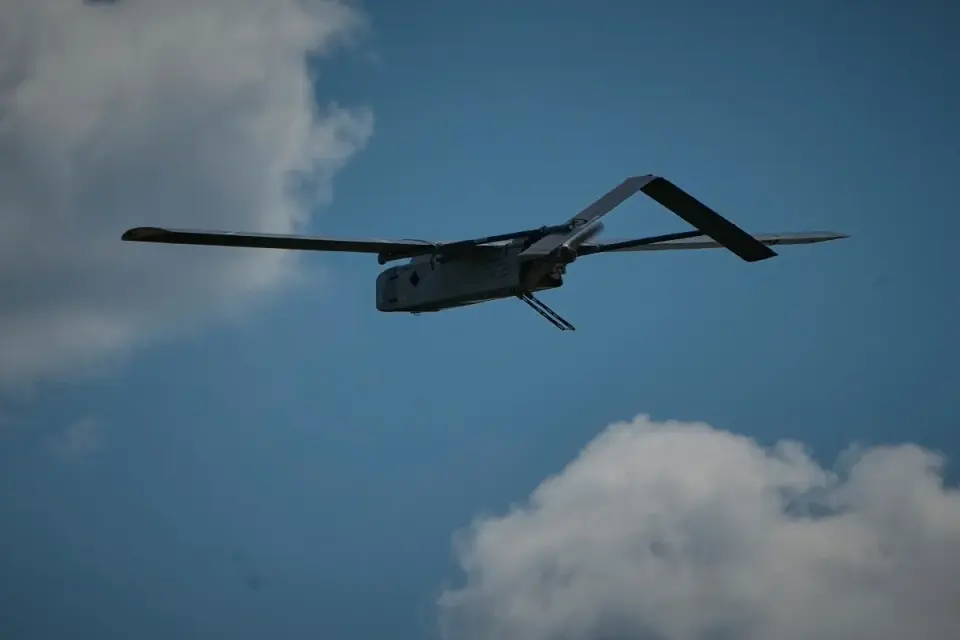
UN-backed negotiations in Geneva concluded without binding restrictions on lethal autonomous weapons, instead agreeing to extend discussions until 2028. The outcome reflects a stalemate between nations seeking immediate rules and major military powers opposing them.
Key points
- The UN Convention on Certain Conventional Weapons (CCW) concluded a week-long session in Geneva with a decision to 'elaborate' on rules for lethal autonomous weapons systems by 2028, rather than adopting binding restrictions.
- The agreement was reached by consensus among 128 member states, a process that allows any single nation to block stronger language, resulting in a low common denominator.
- UN Secretary-General António Guterres had set a 2026 deadline for launching negotiations toward a binding agreement, a goal that was not met.
- Activists and advocacy groups, including Stop Killer Robots and Lex International, criticized the outcome as a 'watered-down mandate' that delays action while technology advances.
- Major military powers, including the United States and Russia, opposed immediate binding rules, seeking greater freedom to develop high-tech weapons.
- UN High Representative for Disarmament Affairs Izumi Nakamitsu described the outcome as a 'significant achievement' but acknowledged it fell short of Guterres' hopes for a legally binding deal this year.
Background
Previous coverage from our archive indicates that 163 states supported the move for binding rules, but faced opposition from the US, Russia, Israel, Belarus, and North Korea. Earlier reports highlighted that armed drones capable of independent strikes have already been deployed in some conflict zones, though widespread rollout has not yet occurred. The current talks are part of a 14-year cycle of discussions on this issue, with advocates warning that delays risk making regulation more difficult as the technology becomes commonplace.
Why it matters
The failure to reach binding rules leaves a critical gap in international law regarding autonomous weapons, potentially allowing the continued development and deployment of systems that can kill without human control. This delay may enable the proliferation of such weapons in conflict zones, raising concerns about accountability and civilian safety.
What to watch
Negotiations will continue through 2028, with the goal of 'elaborating' on a possible accord. Advocates will likely continue to pressure nations to adopt stronger language, while military powers will maintain their stance against immediate restrictions. The outcome of these future talks will determine whether any binding international framework for lethal autonomous weapons is established.
Want the full story? Read the original reporting
Read on AP News