UN-backed negotiations in Geneva concluded without binding restrictions on lethal autonomous weapons, instead agreeing to extend discussions until 2028. The outcome reflects a stalemate between nations seeking immediate rules and major military powers opposing them.
US Secretary of State Marco Rubio warned that Iraq risks 'Balkanisation' unless armed factions are brought under state control. He made the comments in New York after meeting Iraqi Prime Minister Ali al-Zaidi. Rubio noted that some groups have disarmed, but others remain defiant. Analysts debate whether this signals an imminent breakup or a failure to centralize power. The deadline for disarmament has slipped to June 2027, coinciding with the withdrawal of remaining US troops from Iraq.
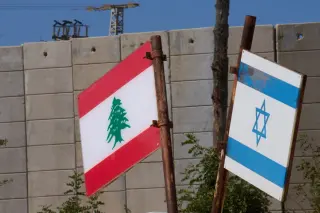
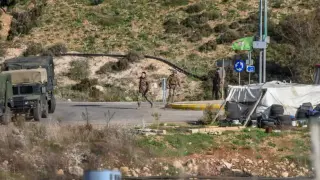
Israel and Lebanon have agreed on a shortlist of four countries—Britain, Italy, Switzerland, and Indonesia—to potentially deploy troops to verify Hezbollah's disarmament. This development stems from US-mediated talks in Rome, aiming to implement a June framework that links Israel's phased withdrawal from southern Lebanon to the dismantling of Hezbollah's military capabilities. While the US will decide final participation, the mechanism faces significant hurdles, including disagreements over the scope of inspections, particularly regarding private homes, and the role of international oversight bodies.
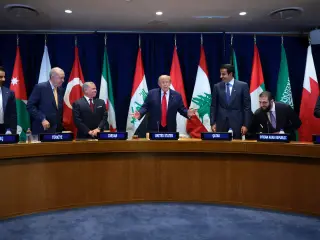
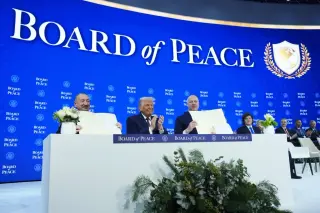
US President Donald Trump announced that the Board of Peace has reached an agreement for the complete disarmament of Hamas and other armed groups in Gaza. A senior Hamas official confirmed the group has agreed to the plan, which involves inventorying and storing heavy weapons under Palestinian supervision. However, Israel has not formally commented, and an Israeli official rejected the framework, insisting that full disarmament must precede any Israeli withdrawal. The agreement is part of the second phase of a US-brokered ceasefire, linking Hamas disarmament to Israeli troop withdrawal and the deployment of a new Palestinian government and international stabilization force.
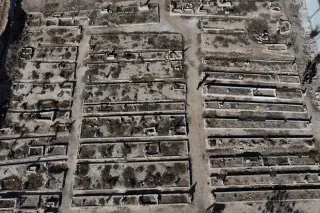
Trump’s Board of Peace has pared back its Gaza recovery plan from a full reconstruction to a modest Rafah pilot camp, with a planned 5,000-strong International Stabilization Force and a vetted Palestinian police. However, no camp or ISF base has been built, training hasn’t begun, and progress depends on Israeli politics and donor funds, raising concerns that the effort could become a propaganda tool or a fragmented relief regime rather than a path to a lasting solution, with officials signalling a late-2026 rollout at best.
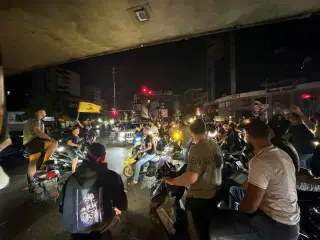
Hezbollah leader Naim Qassem denounced the Washington-brokered framework linking a ceasefire with Hezbollah disarmament, saying Hezbollah will continue to resist as Israeli strikes hit southern Lebanon and casualties rise. Protests followed in Beirut, and the Lebanese army urged restraint. The agreement does not mandate an immediate withdrawal but is framed as a path to normalisation and future direct talks, with some Lebanese officials praising it as progress while others warn it could empower Israel if Hezbollah remains armed. Israel signaled a potential extended stay in the security zone, and the toll from the conflict has surpassed 4,246 killed and 12,190 wounded since March.
Lebanon and Israel signed a security deal aimed at restoring order in southern Lebanon with Lebanese army deployment and Hezbollah disarmament, but Hezbollah denounced the arrangement as humiliating and warned it could trigger civil conflict; analysts and locals doubt the disarmament condition will hold and question the pact’s durability amid enduring tensions.
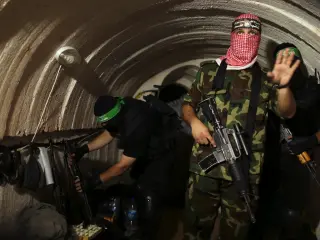
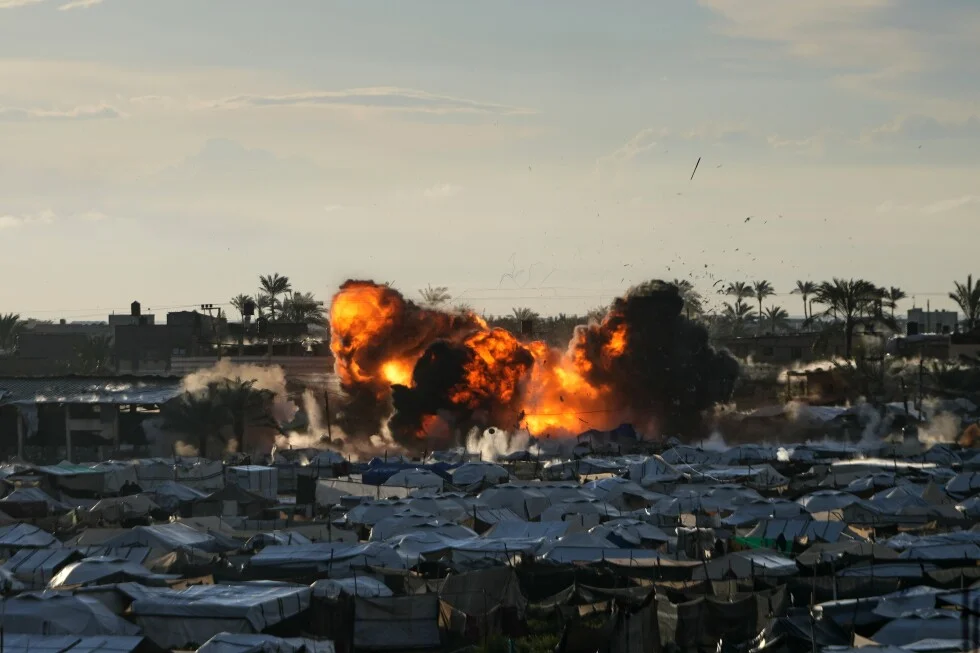
Cairo ceasefire talks face a major hurdle over US-led demands for total disarmament and surrender of tunnel maps, with Palestine factions pushing for a phased, inventory-based approach to weapons under Palestinian-led oversight. Hamas and other groups link disarmament to Israeli withdrawal, while Israel demands dismantling Hamas tunnels and weapon facilities, creating a rift between the two sides and threatening the path to a broader peace deal.
The OPCW announced this month that investigators found dozens of chemical weapons dating to Assad's regime in Syria, highlighting the ongoing legacy of Syria's chemical weapons program and the need for continued monitoring and disarmament efforts, with the discovery echoing the 2013 sarin attack near Damascus.
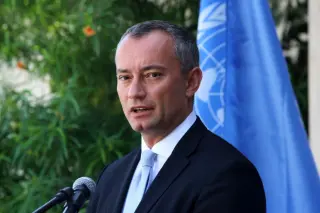
The United Nations Security Council is urged to press Hamas to disarm using every available diplomatic means, reflecting renewed international focus on disarmament amid ongoing Gaza tensions and after recent Israeli strikes; the piece situates the call within long-running Middle East peace efforts led by UN envoy Nickolay Mladenov and highlights the human impact in Gaza.
The Board of Peace plans to urge the United Nations Security Council to press Hamas to disarm as part of its Gaza-focused diplomacy, a push tied to its Davos-era peace initiative and ongoing regional discussions.
Lebanon released two Hezbollah operatives on bail after a month in detention for violating its arms restrictions, with bail set at 100 million Lebanese pounds (about $1,120). The suspects reportedly admitted transporting 21 Grad missiles, 3,000 rounds of ammunition, and eight machine guns from the Bekaa Valley to southern Lebanon to confront the IDF. The move comes amid ongoing tensions over disarming Hezbollah and drew protests from pro-Hezbollah lawyers; Prime Minister Nawaf Salam criticized Hezbollah’s attack that preceded the arms ban, while think tanks argued the Lebanese state remains unwilling or unable to disarm the group.
Hamas rejected the US-led Board of Peace's disarmament plan for Gaza, demanding modifications and accusing mediator Nickolay Mladenov of pro-Israel bias; the group says it will not disarm and wants Israel to fulfill Phase I obligations before Phase II talks, as the BoP deadline expired and other factions criticized the plan.
Israel’s IDF released statistics alleging Hezbollah fired about 3,000 mortars and missiles from near the Litani River since the operation began, refuting Lebanon’s Jan. 8, 2026 claim that Hezbollah had been disarmed in southern Lebanon; the IDF calls the Lebanese claim a lie and says Hezbollah has reinforced its forces and can move south via bridges and crossings, undermining the LAF’s disarmament effort.
AP reports that Hamas is weighing a plan to disarm armed groups in Gaza, a move seen by mediators as potentially unlocking international aid and a path to reconstruction, though the proposal faces political and security hurdles as talks continue.