
Germany Halts Patriot Transfers as Ukraine Seeks Emergency Interceptor Swaps
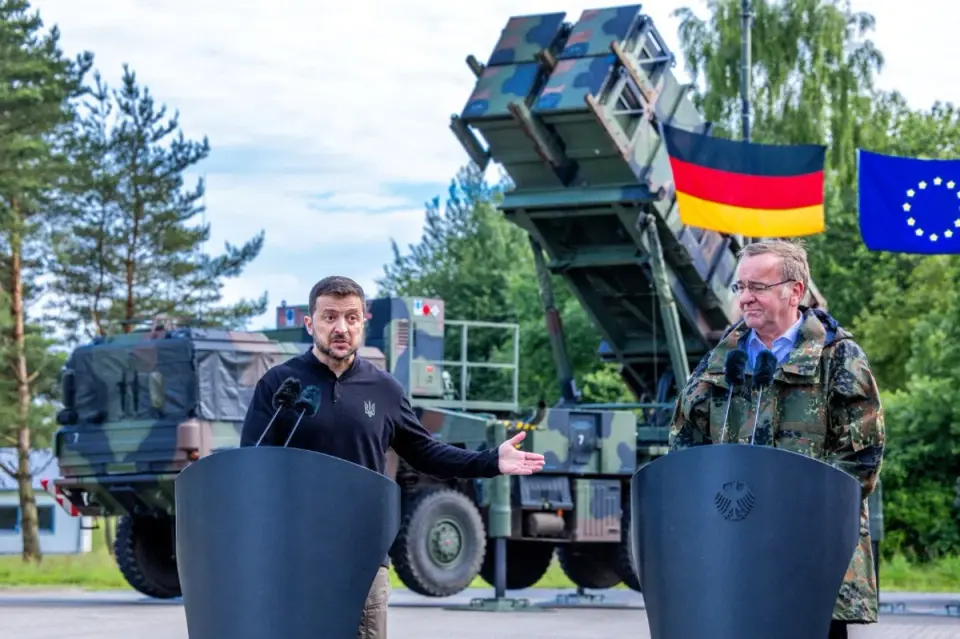
German Defense Minister Boris Pistorius confirmed that Berlin has exhausted its domestic stockpiles of Patriot air defense systems and cannot supply additional units to Ukraine without compromising its own national security. This announcement coincides with escalating Russian strikes on Ukrainian energy infrastructure and President Volodymyr Zelensky’s proposal for an emergency 'queue-swapping' mechanism to borrow interceptors from allies. While the US has approved a sale of 500 new interceptors, deliveries are not scheduled until after 2030, leaving Kyiv with a critical shortage during the winter heating season.
Key points
- Pistorius stated that further transfers would create unfillable gaps in German defense, urging other allies to assume greater responsibility at the mid-November Ramstein meeting.
- Zelensky proposed halting drone strikes on Russian refineries in exchange for a one-month supply of Patriot interceptors or a pause in Russian attacks on Ukrainian energy grids.
- Ukraine is seeking to borrow 10 to 30 interceptors from partner nations' active inventories, promising repayment from future US production lines.
- The US-approved sale of 500 PAC-3 MSE interceptors involves newly manufactured hardware with deliveries delayed until after 2030, offering no immediate protection.
- Russian forces executed over 30 coordinated strikes on Ukrainian electrical generation stations in late October, with Ukraine intercepting only about 7% of incoming ballistic missiles.
Background
This development follows a broader trend of depleted air defense stockpiles across Europe. In October 2026, Ukraine reported exhausting its own Patriot interceptor reserves amid escalating Russian strikes. Previous diplomatic tensions, including the Merz-Zelensky meeting in early November, highlighted European concerns over US-Russia peace talks that exclude Kyiv. The current crisis underscores the strategic gap between immediate defensive needs and long-term procurement timelines.
How outlets are covering it
While Kyiv Post and Euromaidan Press focus on the technical and diplomatic mechanisms of the shortage, including Zelensky’s swap proposals and the 2030 delivery timeline, Yahoo emphasizes the political dimension. Yahoo highlights Pistorius’s skepticism regarding a swift ceasefire and his warning against US-Russia agreements that exclude European security interests. All sources agree that Germany has reached its limit, but they differ in emphasis: Kyiv Post details the specific 'queue-swapping' financial mechanism, while Euromaidan Press contextualizes the crisis within the broader failure to intercept ballistic missiles, noting that only four of 36 missiles were downed in a recent strike.
Why it matters
The inability of major European allies to replenish air defense stocks threatens the sustainability of Ukraine’s defense against Russian ballistic missiles. With winter approaching and energy infrastructure under heavy attack, the lack of immediate interceptor supplies could lead to significant civilian casualties and infrastructure damage. The proposed 'queue-swapping' mechanism represents a novel approach to bridging the gap between current shortages and future production, but its success depends on the willingness of partner nations to lend critical hardware.
What to watch
The Ukraine Defense Contact Group meeting in mid-November will likely address burden-sharing for air defense. Diplomatic efforts will focus on accelerating the 'queue-swapping' mechanism and securing additional support from the E5 group. Meanwhile, US-Russia peace talks in Abu Dhabi on Nov. 10-11 may influence the pace of military aid, though European leaders have warned against settlements that exclude Ukraine.
- Germany Exhausts Patriot Stocks for Ukraine, More Transfers Impossible Kyiv Post
- Germany Says It Can't Send More Patriot Systems to Ukraine Yahoo
- Berlin says no more Patriots for now. Kyiv wants Russia’s missiles stopped before they leave the factory Euromaidan Press
- Germany can no longer supply Patriot air defense systems to Ukraine Apa.az
- Germany Runs Out of Patriot Missiles It Can Supply to Ukraine Мілітарний
Want the full story? Read the original reporting
Read on Kyiv Post