
Haiti and El Salvador Sign Prison Deal as Bukele’s Troops Face Casualties and Civilian Concerns
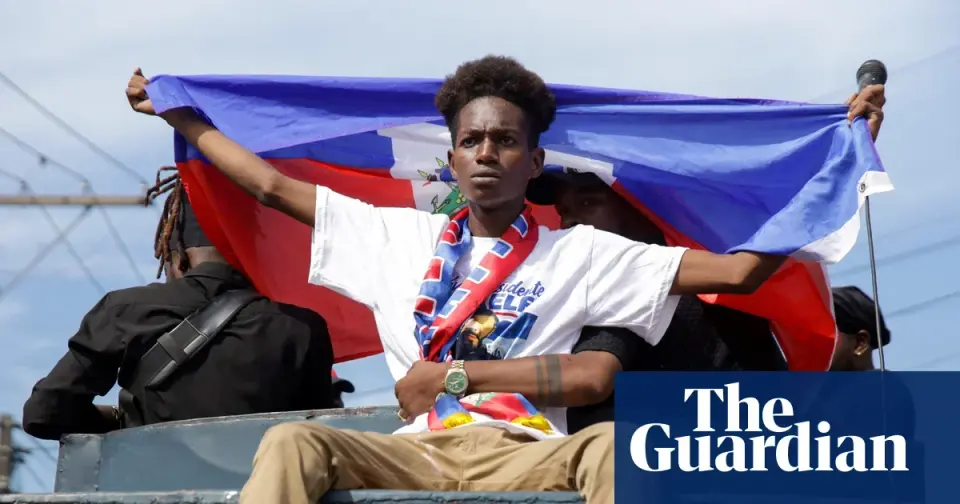
El Salvador has deployed approximately 2,500 troops to Haiti to combat gangs, a mission that began as a rescue operation for four missing technicians but has expanded into a broader offensive. While Haitian residents have rallied in support of President Nayib Bukele, viewing him as a potential savior, experts warn of civilian casualties and a lack of long-term strategy. Recent developments include the signing of a deal to build new prisons in Haiti, modeled after El Salvador’s controversial facilities, and the death of two Salvadoran soldiers in an explosives incident. The operation remains controversial due to its opaque rules of engagement and the risk of exacerbating the humanitarian crisis.
Key points
- El Salvador deployed around 2,500 troops to Haiti starting in October 2026, initially to rescue four missing aviation technicians from the UN-backed Gang Suppression Force.
- Haiti and El Salvador signed an agreement for the construction of three new prisons, with Haitian Justice Minister Patrick Pélissier praising El Salvador’s maximum security prison model.
- Two Salvadoran soldiers were killed and two injured in an explosives incident at a camp in Haiti, marking the first combat deaths for the deployed force.
- Haitian residents have held large rallies supporting Bukele, describing him as a liberator, while critics worry about indiscriminate violence and the lack of oversight for the troops.
- The operation has intensified clashes, with ACLED reporting a 46% increase in security force clashes and over 100 deaths, including at least 26 civilians, in the weeks following the deployment.
Background
Haiti has faced a severe security crisis since the 2021 assassination of President Jovenel Moïse, with gangs controlling significant portions of the capital and displ over 1.5 million people. Previous international efforts, including a UN-backed force, have struggled to contain the violence. Bukele’s intervention follows his domestic anti-gang crackdown in El Salvador, which has reduced crime but drawn criticism for human rights abuses and mass incarceration. The current deployment adds to a complex security landscape involving Haitian police, private contractors, and the UN-backed Gang Suppression Force.
How outlets are covering it
The Guardian highlights the mixed emotions of Haitians, who are excited by the recapture of key areas like the Sylvio Cator stadium but uneasy about the potential for collateral damage and Bukele’s political motives. CNN emphasizes the role of social media in shaping the narrative, noting that Bukele’s dramatic videos have created a sense of hope but that coordination with other forces remains poor. Al Jazeera focuses on the humanitarian impact, citing experts who warn that the operation lacks a unified strategy and that residents in gang-controlled areas fear being targeted. AP News reports on the practical outcomes, such as the prison deal and the deaths of Salvadoran soldiers, while noting the lack of transparency regarding the terms of the deployment. All sources agree that the situation is volatile, but they differ on whether the intervention is a necessary rescue or a risky political gamble.
Why it matters
The intervention represents a significant shift in how international actors approach gang violence in the Caribbean, potentially setting a precedent for authoritarian security models in the region. The prison deal could reshape Haiti’s justice system, while the military operation tests the limits of foreign intervention in a country with a deep history of failed external aid. The outcome will influence regional stability and the future of Bukele’s political career, as he seeks to leverage his anti-gang credentials in upcoming elections.
What to watch
The immediate next steps include the construction of the first new prison in Haiti and the continued military operations by Salvadoran troops. The fate of the four missing technicians remains unknown, with gang leader Wilson Joseph claiming they are dead. Experts expect ongoing tensions between the various security forces operating in Haiti, and the international community will likely press for more transparency regarding the rules of engagement and civilian protection measures.
- Haitians excited but uneasy as El Salvador troops fight gangs The Guardian
- She asked El Salvador’s president for help. Days later, a gang leader’s house was destroyed CNN
- Why are Bukele’s Salvadoran troops in Haiti and what have they achieved? Al Jazeera
- The ‘Emperor of El Salvador’ storms into Haiti Financial Times
- Haiti strikes deal with El Salvador to build new prisons after minister visit AP News
Want the full story? Read the original reporting
Read on The Guardian