
Lebanese return to shattered south as Israeli occupation and reconstruction hurdles persist
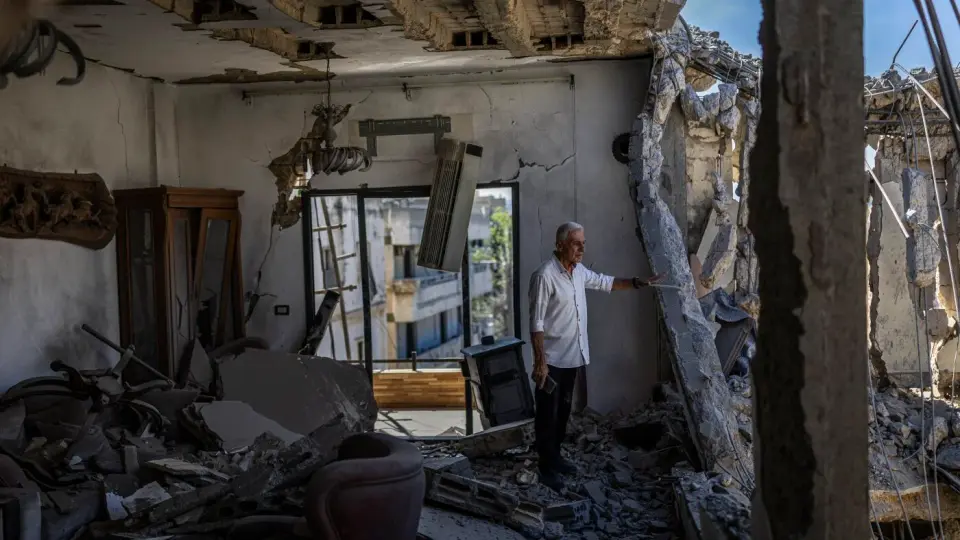
Displaced Lebanese residents are returning to southern towns like Nabatiyeh and Zawtar al-Gharbieh to find massive destruction, but face ongoing Israeli military presence, lack of basic services, and stalled reconstruction efforts under a fragile US-brokered ceasefire.
Key points
- Najib Ayyad returned to his damaged apartment in Nabatiyeh to salvage belongings, noting that Israeli forces occupy the nearby Beaufort Castle, making the area uninhabitable.
- Nearly all 80,000 residents of Nabatiyeh were displaced by Israeli bombardments and evacuation orders, with the historic market and infrastructure largely destroyed.
- In Zawtar al-Gharbieh, the first US-backed 'pilot zone,' approximately 80% of housing units were destroyed, and residents faced five days of security inspections before being allowed to inspect their homes.
- Lebanese health officials report at least 4,200 deaths since the war began on March 2, with one in five victims being women or children.
- Reconstruction is hindered by a lack of funding, ongoing Israeli drone surveillance, and disputes over the withdrawal of Israeli troops from designated 'yellow zones.'
- Amnesty International investigated a March 31 airstrike that killed the Basma family, calling it a potential war crime due to the absence of nearby military targets.
Background
This situation follows a nearly three-year conflict between Israel and Hezbollah, which escalated significantly in March 2026. Previous coverage noted UNESCO's recent addition of Lebanese castles to the World Heritage List, highlighting the cultural stakes of the destruction. The current crisis is part of a broader regional tension involving US-brokered frameworks aimed at ending the war, though implementation remains contested.
How outlets are covering it
NPR emphasizes the human toll and the psychological exhaustion of residents and first responders in Nabatiyeh, highlighting the destruction of civilian infrastructure and the presence of Israeli forces in symbolic locations like Beaufort Castle. UPI focuses on the diplomatic and logistical challenges of the US-brokered 'pilot zones,' noting that while the Lebanese Army has deployed, Israeli drones remain and reconstruction is stalled by funding shortages and Israeli refusal to fully withdraw. AP News highlights the individual stories of returning couples, underscoring the gap between the ceasefire agreement and the reality on the ground, where residents face a landscape of total devastation and lack of basic necessities like water and electricity. All sources agree on the scale of destruction but differ in emphasis: NPR on the humanitarian crisis, UPI on the diplomatic impasse, and AP on the personal resilience of returnees.
Why it matters
The inability to rebuild and the continued Israeli military presence in southern Lebanon threaten to undermine the US-brokered peace framework. The destruction of civilian infrastructure and the displacement of hundreds of thousands of residents create a humanitarian crisis that could fuel further instability and radicalization, complicating regional diplomacy and the long-term prospects for peace between Lebanon and Israel.
What to watch
Lebanese and Israeli negotiating teams are scheduled to meet on August 4-5 to evaluate progress on the pilot zones and the withdrawal of Israeli forces. The US is expected to pressure Israel for compliance, but Netanyahu has stated that Hezbollah's disarmament is a precondition for full withdrawal. Reconstruction efforts depend on securing funding from allies like Saudi Arabia and Qatar, while residents continue to return to assess the damage and attempt to rebuild their lives.
- Lebanese who fled the Israeli invasion visit to see what's left NPR
- Lebanon's pilot zone plan: Can it work? DW.com
- First test of US-backed 'pilot zones' in south Lebanon lays bare difficulties Reuters
- Zawtar al-Gharbieh examplifies Israel's destruction in southern Lebanon upi.com
- This Lebanese couple is among those returning to shattered homes under US-brokered deal with Israel AP News
Want the full story? Read the original reporting
Read on NPR