
Pirates seize two tankers with 22 Indian crew off Yemen and Somalia
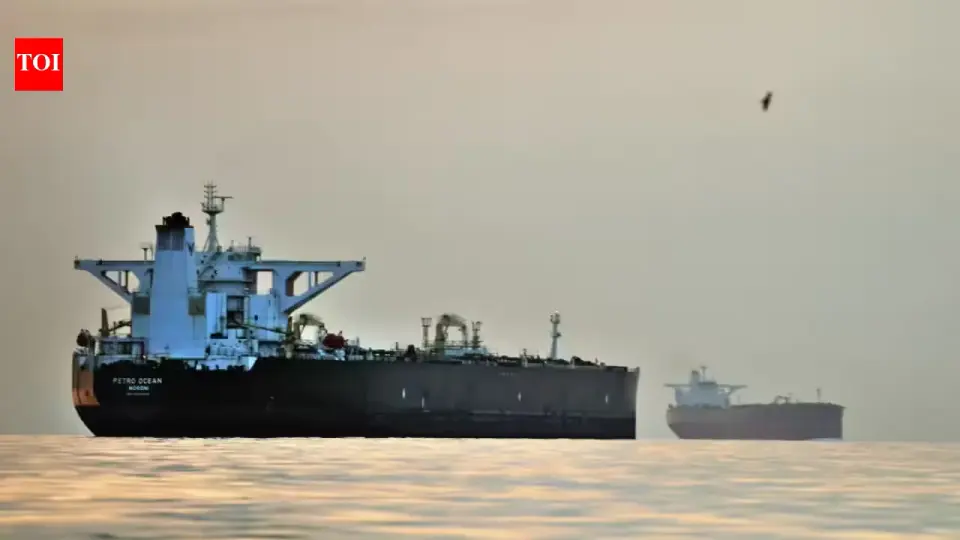
Armed pirates hijacked two commercial vessels off Yemen and Somalia this week, taking 22 Indian seafarers hostage. The incidents highlight a resurgence of piracy in the Gulf of Aden and Red Sea, driven by diverted naval resources due to the Iran war and rising oil prices.
Key points
- The Eritrea-flagged MT Sibu 1 was seized in the Gulf of Aden on August 20, carrying 16 Indian crew members.
- The Cameroon-flagged M/V LUTUF was hijacked off Somalia’s Puntland coast on August 17, with six Indian crew members aboard.
- Both vessels are currently under pirate control, but no injuries have been reported among the crews.
- The M/V LUTUF was carrying Turkish military equipment bound for a training facility in Mogadishu.
- India’s shipping ministry confirmed the incidents and stated that all Indian nationals are safe.
Background
These hijackings follow a series of maritime incidents in the region, including the sinking of an Indian-flagged vessel by a projectile in August 2026 and the seizure of the Tanzanian-flagged MT Asana in July 2026. The current surge in piracy occurs against a backdrop of heightened tensions in the Red Sea and Gulf of Aden, where Houthi attacks and the ongoing Iran war have disrupted shipping routes and diverted naval resources.
How outlets are covering it
The Times of India and NDTV focus on the immediate safety of the 22 Indian crew members and the specific details of the two hijackings, noting that the M/V LUTUF was carrying military equipment. In contrast, Politico and CNBC emphasize the broader strategic implications, arguing that the Iran war has diverted U.S. naval resources, creating an opening for Somali pirates to resume operations. CNBC highlights the potential link between Houthis, Al-Shabaab, and Somali pirates, warning that this could fundamentally change the security dynamic in the region. A White House official, cited by Politico, disputed the link between the Iran war and localized piracy, asserting that U.S. forces remain capable of protecting shipping lanes.
Why it matters
The resurgence of piracy threatens global supply chains and increases shipping costs, insurance premiums, and security expenses. With India being the world’s second-largest supplier of seafarers, these incidents pose a direct risk to its maritime workforce and complicate an already strained global economy dependent on secure oil and goods transport routes.
What to watch
India’s shipping ministry is coordinating with authorities to ensure the safety of the crew and is monitoring the situation. The international community is likely to reassess naval deployments in the Gulf of Aden and Red Sea to counter the renewed piracy threat, while shipping companies may continue to avoid the region or increase private security measures.
- Two tankers with 22 Indians on board hijacked by armed pirates off Yemen, Somalia The Times of India
- 2 Hijackings in 4 Days: Somali Piracy Rises The New York Times
- One beneficiary of the Iran war? Pirates. Politico
- Somali pirate menace returns as U.S.-Iran war stokes regional chaos and saps enforcement resources CNBC
- 2 Ships With 22 Indians Hijacked By Armed Pirates Off Yemen, Somalia NDTV
Want the full story? Read the original reporting
Read on The Times of India