
Global Watchdogs Demand End to Pakistan’s Kashmir Crackdown as Protests Escalate
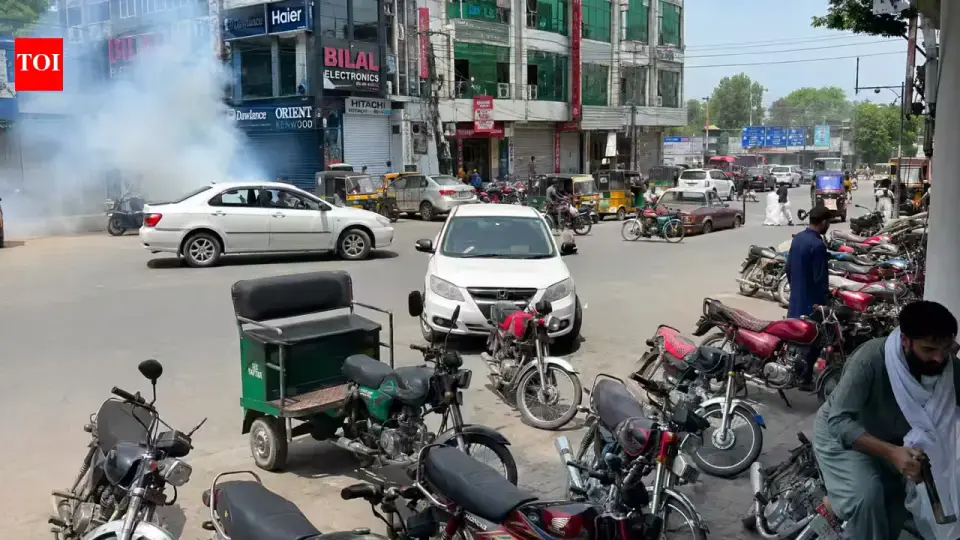
International organizations are condemning Pakistan’s security crackdown in Pakistan-occupied Kashmir (PoK), citing excessive force against protesters and the detention of journalists. Amnesty International and the Committee to Protect Journalists (CPJ) have called for independent investigations and the restoration of internet services. The crackdown coincides with a broader political movement in the region, with casualty figures rising significantly since late July.
Key points
- Amnesty International and CPJ have condemned Pakistan’s use of force against demonstrators in Rawalakot and the region’s ongoing internet blackouts.
- CPJ reported that independent journalists Razi Tahir and Muhammad Saif were taken by men in police uniforms on August 1 and remain missing, while Kashmiri journalist Raja Ikram was detained and later released.
- The Human Rights Council of Pakistan-occupied Jammu & Kashmir (HRC-PoJK) reported at least 80 deaths since the protests began, including 33 civilians before July 27 and 43 since that date.
- The New York Times notes that the unrest, initially sparked by the cost of living, has evolved into a political movement led by the Joint Awami Action Committee, posing a significant challenge to Islamabad’s authority.
- Watchdogs have urged Pakistani authorities to restore communication services and allow independent observers into the area to verify the situation on the ground.
Background
This escalation follows earlier reports in late July 2026, where India urged the international community to scrutinize Pakistan’s crackdown, citing approximately 40 civilian deaths at that time. The current situation marks a significant intensification of the unrest, with casualty figures rising to 80 and the emergence of a formal political coalition, the Joint Awami Action Committee, as noted by The New York Times. The crackdown also follows a suicide attack at a Swat police station on August 2, which killed 14 people during protests against rising violence, highlighting the complex security environment in the region.
How outlets are covering it
The Times of India emphasizes the human rights and press freedom violations, highlighting the specific cases of missing journalists and the role of international watchdogs like Amnesty International and CPJ. The New York Times, however, frames the situation as a broader political challenge to Pakistan’s authority, noting that the protests have evolved from economic grievances into a significant political movement led by the Joint Awami Action Committee. While both sources agree on the severity of the situation, The Times of India focuses on the immediate crackdown and its international condemnation, whereas The New York Times provides a longer-term political context, suggesting the unrest is a fundamental challenge to Islamabad’s control in the region.
Why it matters
The crackdown in Pakistan-occupied Kashmir has significant implications for regional stability and human rights. The involvement of international watchdogs and the rising casualty figures indicate a potential escalation that could draw further international attention and pressure on Pakistan. The detention of journalists and internet blackouts also raise concerns about press freedom and the ability to independently verify the situation on the ground. The political nature of the protests, as noted by The New York Times, suggests that the unrest could have long-term implications for Pakistan’s authority in the region.
What to watch
The next steps will likely involve continued international pressure on Pakistan to end the crackdown and restore communication services. The fate of the missing journalists, Razi Tahir and Muhammad Saif, will be a key focus for press freedom advocates. The political movement led by the Joint Awami Action Committee may also continue to grow, potentially leading to further protests and challenges to Pakistan’s authority in the region. The situation will also be closely watched for any potential escalation in violence or further human rights violations.
- 'Long history of unlawful violence': Global watchdogs condemn Pakistan's crackdown in PoK The Times of India
- Pakistan’s Kashmir Problem The New York Times
- 'They'll arrest us at hospitals': PoK protesters risk death over electricity, flour demands The Times of India
- Deadly Protests Overshadow Pakistan’s Elections in Kashmir Bloomberg.com
- Why is Pakistan-occupied Kashmir rocked by protests? | Explained The Hindu
Want the full story? Read the original reporting
Read on The Times of India