
Russia’s 1997 NATO Demands Resurface as Trump Prepares for China Summit
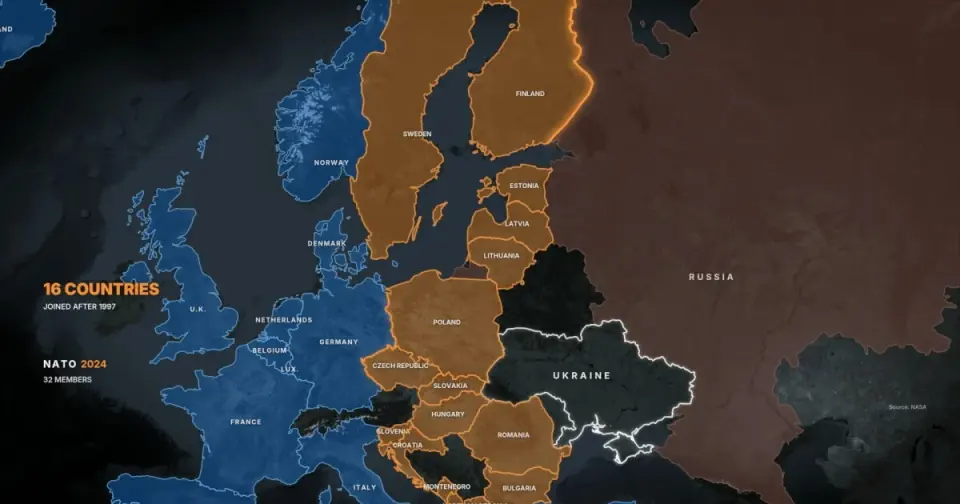
Russian negotiators have revived pre-invasion demands requiring NATO to withdraw troops to 1997 positions, a stance European and US officials describe as non-negotiable. While US envoys seek a deal, Russia inflates its territorial gains and excludes Europe from talks, creating a significant barrier to peace.
Key points
- Russian officials circulated a non-paper in Abu Dhabi demanding NATO retreat to 1997 borders, banning expansion and military activity in Eastern Europe, the South Caucasus, and Central Asia.
- Moscow also seeks nonaggression pacts with individual European nations, a move analysts say would dismantle NATO’s collective defense principle and divide Europe.
- Trump’s upcoming meeting with Putin and Xi in Shenzhen may include Ukraine discussions, despite earlier administration statements suggesting the topic would be avoided.
- Zelensky warned against a 'Yalta 2' redistribution of influence, while the US proposed Ukraine’s NATO membership in exchange for withdrawing from the Donbas.
- Russia’s maximalist stance excludes European leaders from talks, with Moscow preferring direct negotiations with the US to isolate Europe.
Background
In December 2021, Russia issued ultimatums to the US and NATO, including demands to roll back the alliance’s expansion since 1997. These demands were rejected, and Russia invaded Ukraine in February 2022. Recent peace talks in Abu Dhabi have seen Russia revive these pre-invasion positions, complicating US-mediated negotiations.
How outlets are covering it
Scripps News and The New York Times emphasize Russia’s revival of 1997 NATO demands as a core barrier to peace, with NYT highlighting a leaked non-paper detailing Moscow’s maximalist stance. Al Jazeera focuses on Russia’s attempt to divide Europe through nonaggression pacts, noting that such deals would undermine NATO’s unity. The Institute for the Study of War (ISW) frames Russia’s demands as part of a broader effort to dismantle the post-Cold War security architecture, while also detailing battlefield developments in the Kostyantynivka and Dobropillya directions. All sources agree that Russia’s exclusion of Europe from talks and its insistence on maximalist demands are central obstacles to a peace deal.
Why it matters
Russia’s demands threaten to reshape Europe’s security architecture, potentially weakening NATO and isolating Ukraine. If accepted, these terms could allow Russia to reassert control over former Soviet states and undermine Western collective defense. The outcome of Trump’s upcoming meeting with Putin and Xi could determine whether these maximalist positions gain traction or are rejected, with significant implications for global stability.
What to watch
Trump’s meeting with Putin and Xi in Shenzhen may include Ukraine discussions, potentially testing Russia’s maximalist demands. European leaders are debating how to engage in future talks, with some pushing for a unified 'E5' group. On the battlefield, Russia is prioritizing assaults in the Kostyantynivka and Dobropillya directions, while Ukraine faces challenges from Starshield satellite restrictions and winter energy shortages.
- Putin's price for peace in Ukraine: Roll NATO back to 1997 Scripps News
- Russia seeks NATO pullback; Zelensky says U.S. asked about ceding territory The Washington Post
- Russian Offensive Campaign Assessment, November 14, 2026 Institute for the Study of War
- Russia Revives Demand That NATO Retrench to Secure Ukraine Deal The New York Times
- ‘NATO will collapse’: Russia stalls Ukraine talks, seeks to divide Europe Al Jazeera
Want the full story? Read the original reporting
Read on Scripps News