
Russia’s War Recruitment Shifts from Cash to Coercion
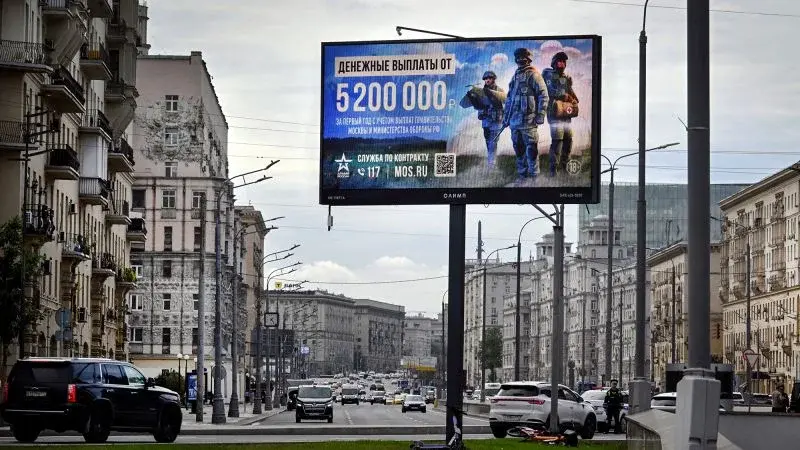
As the war in Ukraine enters its fifth year, evidence suggests Russia is moving away from financial incentives toward coercive and deceptive tactics to recruit soldiers. Reports indicate that vulnerable men, often with health or alcohol issues, are being targeted by individuals in civilian clothes. These recruits are frequently forced to sign contracts under duress, with some later reported missing in action. While the Kremlin denies mass mobilization, analysts describe this as a 'creeping mobilization' that risks eroding public support for the war.
Key points
- Testimonies from relatives and human rights groups describe men being abducted from streets or homes and forced to sign military contracts.
- Targets are often vulnerable individuals with debts, health problems, or alcohol dependence, who lack the knowledge or power to refuse.
- Recruiters are sometimes unidentified civilians, potentially motivated by government bonuses of 50,000 to 300,000 rubles per signed contract.
- The Penza region emerged as a hotspot for forced recruitment in June, with videos showing men being taken by bus despite protests from family members.
- Russian authorities dismiss these reports as fake, while the Ministry of Defense has not responded to inquiries regarding the shift in tactics.
Background
This development follows the mass mobilization drive in 2022, which caused a significant exodus from Russia. Since then, Moscow has primarily relied on large financial incentives to lure soldiers. Recent international tensions, including US-Russia energy deals and diplomatic friction over Ukrainian leadership, have heightened the strategic importance of maintaining troop levels despite rising frontline casualties.
How outlets are covering it
CNN and secondary outlets like Mezha.net and Operativ Məlumat Mərkəzi present a consistent narrative of a shift toward coercion, citing specific cases and expert analysis from Berlin-based lawyers. They emphasize the vulnerability of the targets and the role of financial bonuses in incentivizing 'bounty hunters.' In contrast, the Russian Ministry of Defense dismisses these accounts as fake news. While CNN attributes the tactics to regional quotas and local authorities rather than direct Kremlin orders, the German Institute for International and Security Affairs suggests the Kremlin tolerates these methods as a convenient solution to manpower shortages. All sources agree that this 'creeping mobilization' poses a threat to public acceptance of the war.
Why it matters
The shift from voluntary, financially incentivized recruitment to coercion signals a deepening crisis in Russia’s ability to sustain its military effort. This tactic not only raises serious human rights concerns but also risks destabilizing domestic support for the war. If the public perceives the state as resorting to kidnapping and deception, it could undermine the Kremlin’s narrative of voluntary service and potentially accelerate emigration among those fearing conscription.
What to watch
Human rights groups expect continued 'creeping mobilization' rather than a sudden mass draft. They predict that coercive measures will remain a key strategy to fill manpower gaps. Increased inquiries about emigration and potential border closures are likely as fear of recruitment grows. The Russian government may continue to deny these practices while regional authorities pursue recruitment quotas through increasingly aggressive means.
- ‘He can barely walk’: Russians tell how vulnerable men are being targeted and coerced into signing up CNN
- Russia Targets Vulnerable in Forced Conscription: "Dragging Away Drunk People" news.sbs.co.kr
- Reports of coercive military recruitment grow in Russia, CNN says Operativ Məlumat Mərkəzi
- ‘He can barely walk’: Russians describe coercion in military recruitment Mezha.net
Want the full story? Read the original reporting
Read on CNN