
US Absence Marks Second Consecutive COP31 as Guterres Urges Fossil Fuel Phase-Out
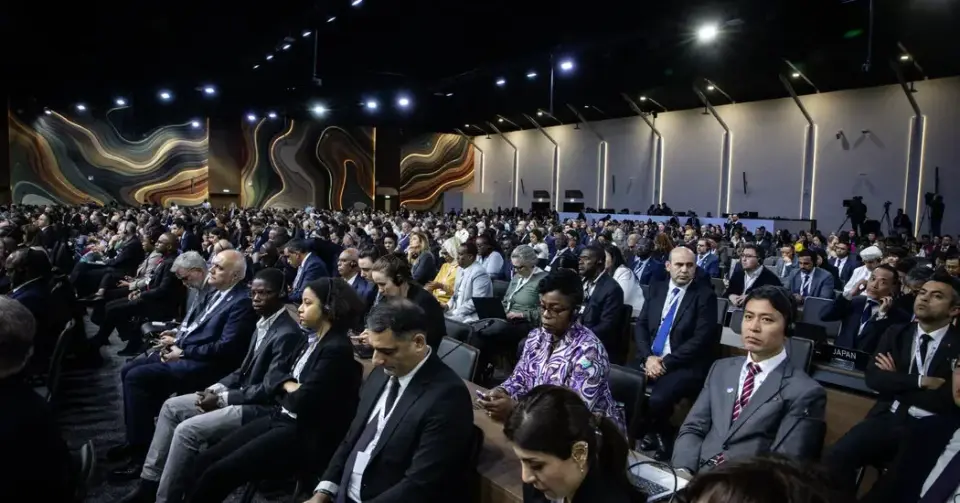
The United States has skipped the 31st UN Climate Change Conference (COP31) in Antalya, Turkey, for the second consecutive year. While 197 nations are represented, the absence of the world’s largest historical emitter highlights a significant gap in global climate leadership. UN Secretary-General Antonio Guterres opened the summit by accusing the fossil fuel industry of delaying critical action, stating that the climate crisis is 'outrunning' current efforts. The summit features a mix of high-level attendance, including leaders from Brazil, Turkey, and Iran, but notable absences from several G7 nations, including France, Germany, and Italy. Guterres emphasized that fossil fuels must be phased out to avert disaster, while host nation Turkey pushes for accelerated electrification targets despite its own new oilfield discoveries.
Key points
- The United States is absent from COP31 in Antalya, Turkey, marking the second year in a row it has refused to participate in the global climate summit.
- UN Secretary-General Antonio Guterres stated that the climate crisis is 'outrunning' global efforts, with 2025 emissions reaching all-time highs and the last four years being the hottest on record.
- Guterres accused the fossil fuel lobby of delaying action, declaring that 'fossil fuels must go the way of the dinosaurs' and that this transition will not happen without political intervention.
- 197 nations are represented at the summit, but attendance from major emitters is limited; only British Prime Minister Andy Burnham is attending from the G7, while leaders from France, Germany, Italy, Canada, and Japan are skipping the event.
- Host nation Turkey is championing a voluntary initiative to raise electricity’s share of global energy consumption to 35 percent by 2035, though this faces debate due to Turkey’s recent discovery of new oilfields and plans to expand fossil fuel production.
- Iranian President Masoud Pezeshkian used the platform to highlight the environmental destruction caused by the US-Israel war on Iran, while Barbados Prime Minister Mia Mottley criticized governments for failing to meet Paris Agreement pledges.
Background
The US absence continues a trend of disengagement from international climate governance, contrasting with previous years where the US played a central role. This follows earlier coverage of Greta Thunberg’s return to COP31 to criticize the 'hypocrisy' of holding climate talks in a country expanding fossil fuel production. Former US Secretary of State John Kerry had recently urged the US to follow China’s lead in green energy adoption, highlighting the domestic debate over climate policy. The current summit occurs amidst a backdrop of geopolitical tensions, including the US-Israel war on Iran, which has disrupted Middle East oil exports and influenced global energy prices.
How outlets are covering it
The New York Times emphasizes the symbolic and practical impact of the US absence, framing it as a refusal by the 'most powerful country' to participate in global efforts. Al Jazeera and The Guardian focus on the rhetoric of UN Secretary-General Guterres, highlighting his direct confrontation with the fossil fuel industry and his call for a complete phase-out. The Guardian provides a broader view of the summit’s dynamics, noting the mixed attendance of world leaders and the specific concerns of small island states and developing nations regarding climate finance. Al Jazeera notes the tension between Turkey’s electrification goals and its fossil fuel expansion, while also highlighting the geopolitical dimension of Iran’s participation. All sources agree on the urgency of the climate crisis but differ in emphasis: The Times focuses on the US withdrawal, while Al Jazeera and The Guardian focus on the UN’s call to action and the diverse reactions from attending leaders.
Why it matters
The US absence from COP31 signals a potential shift in global climate leadership, with the world’s largest historical emitter opting out of the primary forum for international climate negotiation. This absence may weaken the summit’s ability to achieve binding commitments or significant financial pledges, particularly as the UN warns that the world is on track to exceed the 1.5 degrees Celsius warming limit. The event highlights the growing divide between nations prioritizing climate action and those influenced by fossil fuel interests or geopolitical conflicts. The summit’s focus on electrification and fossil fuel phase-out, coupled with the host nation’s own fossil fuel expansion, underscores the complex and often contradictory nature of global climate policy.
What to watch
The summit will continue with further national statements and negotiations, focusing on the transition to clean energy and climate finance mechanisms. Norway, Canada, and the UK have announced a partnership to generate $10 billion in climate finance by 2030. The debate over the role of fossil fuels in the transition, particularly regarding Turkey’s electrification proposal, is expected to continue. The outcome of the summit will be assessed against the UN’s warning that the world is on course to break the 1.5 degrees Celsius limit, with developing nations pressing for more equitable financial support and disaster response mechanisms.
- The United States Is Skipping COP31 in Turkey The New York Times
- Money, targets, ambition: Can global leaders put their money where their mouth is on climate? DW.com
- ‘Climate crisis is outrunning us,’ UN chief Guterres says at COP31 Al Jazeera
- Cop31 as it happened: ‘Fossil fuels must go the way of the dinosaurs’ - UN chief hits out at industry lobbying The Guardian
- COP31 leaders try out new sales pitch for climate action: do it for the economy Reuters
Want the full story? Read the original reporting
Read on The New York Times