
Iranian authorities execute wounded powerlifter in front of family
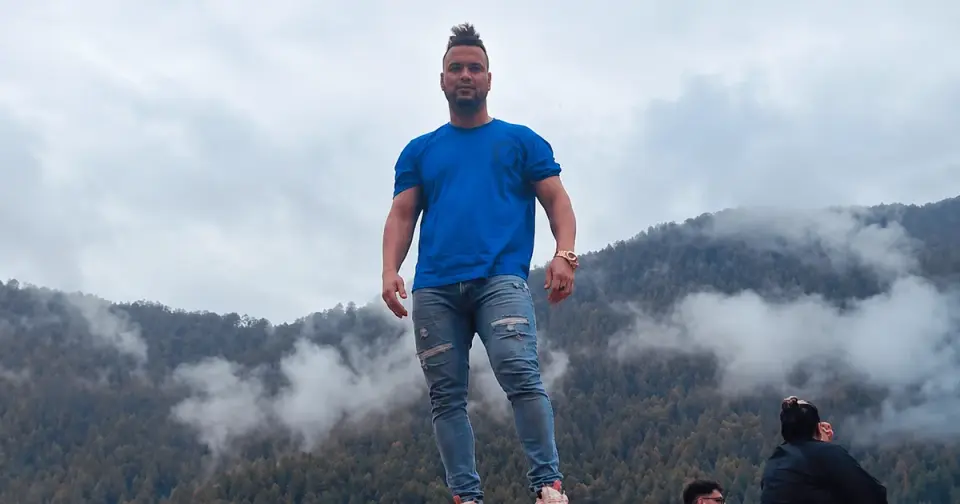
Saeed Golsorkhi, a 31-year-old powerlifter, was shot dead by Iranian security forces outside his home in Shahroud on January 11, 2026, two days after being wounded during protests. Sources say he was bound and shot at close range while his mother and niece watched. His brother was detained, and the family was forced to hold a private burial under strict security. This incident is part of a broader crackdown in Shahroud, where at least 200 people were killed in early January.
Key points
- Saeed Golsorkhi was shot in the knee during protests on January 9 and discharged himself from the hospital to avoid arrest.
- Security forces raided his home on January 11, assaulted relatives, and pepper-sprayed his mother.
- Golsorkhi was bound, taken outside, and shot in the head and abdomen while his mother and niece witnessed the killing.
- His brother, Navid Golsorkhi, was arrested and held for about a month.
- The family was required to hold a private burial without public mourning, and security blocked the street to prevent condolences.
- Eyewitnesses report at least 200 people were killed in Shahroud on January 8 and 9, including 22 women at Bahar Hospital.
Background
This killing is part of a wider crackdown following the January 2026 protests in Iran, which began in late December 2025. Authorities have imposed strict restrictions on mourning for protesters, including forced private burials and night-time body returns. In Isfahan, 10 protesters were sentenced to death in August, and five others were executed in July. The crackdown has also seen the use of Syrian-trained security veterans and coordinated urban warfare tactics across Tehran province.
Why it matters
The execution of Golsorkhi highlights the extreme measures Iranian authorities are using to suppress dissent and deter future protests. The public nature of the killing, witnessed by family members, and the subsequent restrictions on mourning demonstrate a strategy of intimidation and control. This incident, along with other executions and death sentences, underscores the severe human rights violations occurring in Iran in the aftermath of the January protests.
What to watch
Iranian authorities are likely to continue using the death penalty and strict mourning restrictions to suppress dissent. International human rights organizations are expected to condemn the executions and call for accountability. The family of Golsorkhi may face further pressure, and other protesters may be targeted in similar ways.
Want the full story? Read the original reporting
Read on Iran International