
Desalination shutdowns threaten Israel’s agricultural output and food security ahead of High Holy Days
Most of Israel’s desalination plants remain shut down due to unprecedented seawater turbidity, causing severe water shortages that threaten agricultural production, particularly in the Negev and southern regions, ahead of the High Holy Days. While household water supplies are largely maintained, farmers face potential irreversible crop damage and livestock losses, prompting government emergency measures and compensation demands.
Key points
- Desalination facilities were shut down starting Monday morning due to high seawater turbidity, a phenomenon Energy and Infrastructure Minister Eli Cohen described as unseen in Israel in 20 years.
- The Water Authority and Energy and Infrastructure Ministry confirmed that most facilities were shut down again on Tuesday after turbidity levels rose, despite overnight operations.
- Agriculture and Food Security Ministry Director-General Oren Lavi stated that prolonged irrigation stoppages could cause irreversible damage to young seedlings, greenhouses, and sensitive crops, particularly in Ramat Hanegev and Nitzana.
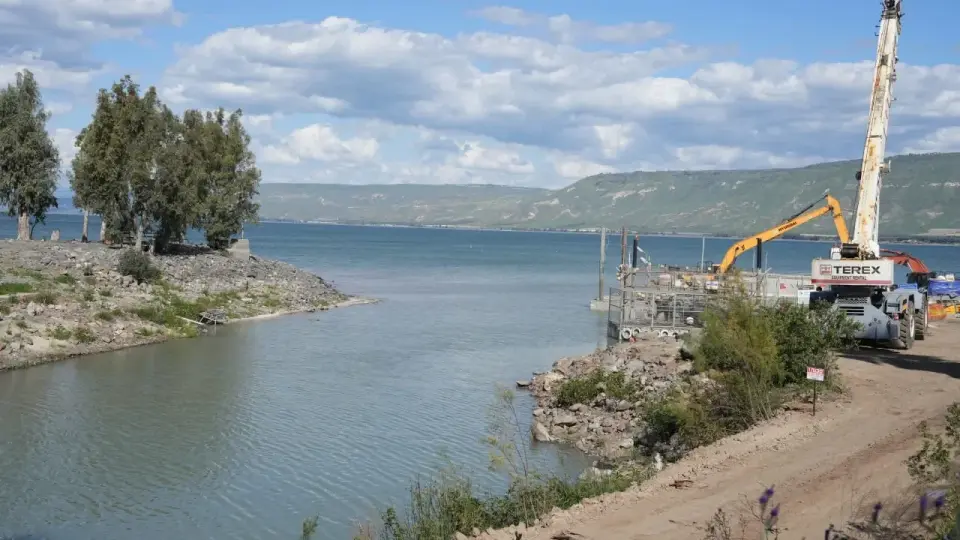
- The government is increasing pumping from wells and the Sea of Galilee and has approved the activation of two additional desalination facilities to ensure water supplies, though concerns remain about equipment damage from turbid water.
- The Israel Farmers Federation and Moshavim movement demanded immediate government intervention and a compensation framework, warning that the disruption threatens hundreds of family-owned farms and Israel’s food security.
Background
This crisis follows a series of State Comptroller reports warning about the management and preparedness of Israel’s desalination facilities. A 2024 report noted 14 incidents of seawater contamination between 2007 and 2023, with 14% caused by turbidity events. Earlier coverage from September 1, 2026, indicated that five of six desalination plants had already shut down due to severe turbidity, prompting nationwide water restrictions and conservation advisories in major cities like Jerusalem and Rishon Lezion.
How outlets are covering it
The Jerusalem Post emphasizes the agricultural impact, highlighting the risk to crops and livestock in the Negev and southern regions, and the government’s efforts to restore supplies. Xinhua focuses on the immediate impact on residential water supply in Jerusalem, noting prolonged outages and the setup of temporary water stations. Both sources agree on the severity of the desalination shutdown but differ in their focus: JPost highlights the long-term agricultural and food security implications, while Xinhua reports on the immediate residential inconvenience and emergency measures in Jerusalem.
Why it matters
The ongoing desalination shutdown threatens Israel’s food security and agricultural output, particularly ahead of the High Holy Days, when demand for fresh produce is high. The crisis highlights vulnerabilities in Israel’s water infrastructure and the potential for severe economic and social impacts if the situation persists. It also underscores the need for improved preparedness and regulatory oversight of desalination facilities, as recommended by the State Comptroller.
What to watch
The government is expected to continue efforts to restore desalination operations and provide emergency water supplies to affected farms and residents. The Israel Farmers Federation and other agricultural groups are likely to press for compensation and long-term solutions to prevent similar disruptions. The Water Authority and Energy and Infrastructure Ministry will monitor turbidity levels and adjust operations accordingly, while the State Comptroller may review the incident to assess compliance with previous recommendations for improved water sector preparedness.
- Ongoing desalination plant shutdown threatens Israeli farms ahead of holidays jpost.com
- Nile Delta algae suspected in shutdown of five Israeli desalination plants Ynetnews
- Temporary water stations serve Jerusalem residents amid water outages Xinhua
- Desalination shutdown threatens Israeli vegetable crops FreshPlaza
- Energy minister says he'll ensure water supply to all homes amid desalination plan shutdowns The Times of Israel
Want the full story? Read the original reporting
Read on jpost.com