
Danish Supreme Court to rule on 'non-Western' eviction law
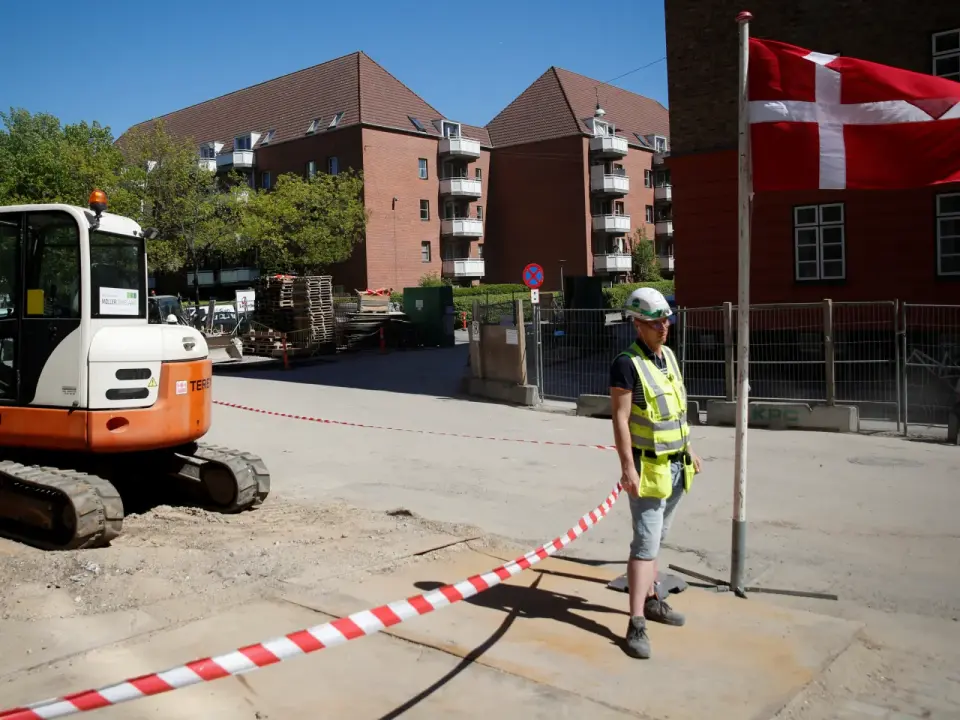
Seven families from Helsingor are challenging their 2022 evictions in Denmark’s Supreme Court, arguing that the state’s 'non-Western' classification constitutes racial discrimination. The case tests a 2018 law mandating the reduction of social housing in areas with high immigrant populations. While the European Court of Justice suggested the law may be discriminatory, Danish lower courts ruled the term is neutral. A verdict is expected later this month, potentially affecting 11,000 residents facing displacement by 2030.
Key points
- The Supreme Court hearing began on November 6, 2026, regarding seven families evicted from the Nojsomhed estate in Helsingor.
- The 2018 legislation, formerly known as the 'ghetto law', targets social housing estates where over 50% of residents are classified as 'non-Western'.
- The law requires 'transformation areas' to cut public family housing by 40% by 2030 through sales, demolition, or lease termination.
- The 'non-Western' label covers most countries outside the EU, excluding specific nations like the USA, Canada, and Australia.
- The European Court of Justice ruled in December 2025 that the criterion may be linked to ethnicity, leaving the final decision to Danish judges.
- Lower Danish courts previously ruled in favor of the landlord, stating the term does not describe a specific ethnic group.
Background
This case follows a December 2025 ruling by the European Court of Justice, which stated that nationality or country of birth alone does not determine ethnic origin but could be linked to it. The current dispute is part of a broader legal challenge to Denmark’s 'parallel societies' policy, which has been criticized by the UN and the European Commission Against Racism and Intolerance. The government, including the Green Left party, has maintained support for the law since its introduction in 2018, despite international pressure to stop using 'western' and 'non-Western' classifications in policy.
How outlets are covering it
Al Jazeera and France 24 emphasize the personal impact on tenants, highlighting that the landlord Boliggarden targeted 'non-Western' inhabitants to avoid the estate being labeled a 'hard ghetto.' The Guardian and Mezha.net focus on the legal implications, noting that a Supreme Court ruling could force the state to abolish the categorization entirely. While the government argues the criterion is neutral and unrelated to ethnicity, the European Court of Justice and human rights groups like Amnesty International contend that the law has a discriminatory impact on ethnic minorities. The plaintiffs' lawyer, Eddie Khawaja, expressed optimism, whereas the government maintains that authorities must continue applying the law until the final domestic ruling is issued.
Why it matters
The ruling could determine whether Denmark’s use of the 'non-Western' classification violates racial discrimination laws, potentially affecting the housing rights of approximately 11,000 people facing displacement by 2030. It tests the limits of state power to use statistical categories for housing policy and may set a precedent for other European nations facing similar integration challenges.
What to watch
A verdict is expected later in November 2026. If the families win, they will likely be rehoused. The outcome will also influence the pending Mjolnerparken case in Copenhagen, where residents have already been displaced and their homes sold, making reinstatement more difficult.
- Why is Denmark separating ‘Western’ and ‘non-Western’ citizens? Al Jazeera
- Denmark’s top court to rule on ‘parallel societies’ after ‘non-western’ people evicted The Guardian
- Denmark's 'hard ghettos' row reaches Supreme Court France 24
- Denmark’s Supreme Court to consider whether ‘non-western’ classification falls under discrimination law Mezha.net
Want the full story? Read the original reporting
Read on Al Jazeera