
Iran's 'Slow Meltdown' Deepens as Economy Collapses and Repression Intensifies
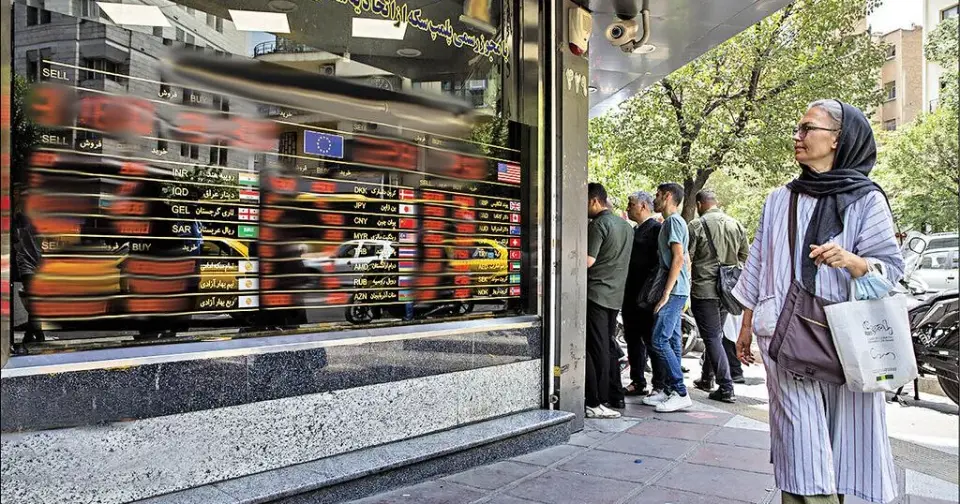
Iran is experiencing a 'slow meltdown' characterized by a collapsing economy, deepening repression, and internal divisions among hardliners. The rial has hit a record low of 2.5 million to the dollar, and inflation has reached nearly 90%. While the regime relies on violence to maintain control, analysts argue this strategy is unsustainable and risks backfiring. The government faces a choice between a 'North Korean-style' isolation or total collapse, with no clear path to recovery.
Key points
- The Iranian rial has fallen to a record low of 2.5 million per US dollar, making the minimum monthly wage worth only about $66.
- Inflation has reached approximately 90%, with food prices rising even faster, severely impacting lower-income households.
- The US has expanded sanctions to Iran's auto and rail industries, adding to a naval blockade that has cut oil revenue.
- Repression has intensified, with 29 executions of protest-related detainees documented between March and August, and 6,000 arrests since the war began.
- Analysts warn that the regime's reliance on violence is a 'precision instrument' that can backfire if used too broadly, potentially leading to security force defections.
- Internal divisions are growing among hardline factions, moving beyond the traditional moderate-conservative divide.
Background
This crisis follows a seven-month conflict with the US and a series of nationwide protests in January 2026. The economic deterioration has been compounded by US sanctions and a naval blockade, which have severely constrained Iran's oil exports and access to foreign currency. The regime's response has included increased repression, including executions and mass arrests, as well as attempts to stabilize the currency through central bank interventions. The current situation is a continuation of a long-standing pattern of economic mismanagement and political repression, but the scale of the crisis and the depth of the internal divisions suggest a potential turning point.
How outlets are covering it
Iran International's analysis, based on a podcast with multiple analysts, emphasizes the 'slow meltdown' and the narrowing of options for the regime. They highlight the economic collapse, the deepening repression, and the internal divisions among hardliners. The Jerusalem Post, in an opinion piece, frames the situation as a 'deepening revolt' from the Iranian people, calling for regime change and highlighting the 'chasm' between the regime and the people. The Daily Signal, through Victor Davis Hanson, focuses on the potential for a 'final fireworks October surprise' and the possibility of a US-led intervention to destroy the regime. While all three sources agree on the severity of the crisis, they differ in their emphasis: Iran International focuses on the internal dynamics and the 'slow meltdown,' the Jerusalem Post on the 'revolt' and the need for regime change, and the Daily Signal on the potential for a military intervention. The sources also differ in their tone, with the Jerusalem Post being highly critical of the regime and the Daily Signal being more focused on the potential for a military solution.
Why it matters
The situation in Iran has significant implications for the Middle East and the world. The economic collapse and political instability could lead to a power vacuum, potentially allowing for the rise of more extreme factions or a civil war. The regime's reliance on repression and its potential for a 'North Korean-style' isolation could have a destabilizing effect on the region. The US's role in the crisis, through sanctions and a naval blockade, is also significant, as it could lead to further escalation or a potential military intervention. The situation also highlights the importance of economic stability and political freedom, as the collapse of the Iranian economy and the deepening repression are a stark reminder of the consequences of mismanagement and authoritarianism.
What to watch
The next few months will be critical for the Iranian regime. The key indicators to watch are the price of food, the value of the rial, unrest in the streets, fractures at the top, and the loyalty of the security forces. The regime's ability to maintain control will depend on its ability to manage the economic crisis and the political unrest. The potential for a 'North Korean-style' isolation or a total collapse will depend on the regime's ability to adapt to the changing circumstances. The US's role in the crisis will also be important, as it could lead to further escalation or a potential military intervention. The situation in Iran is a complex and evolving one, and the next few months will be crucial for determining the future of the regime and the region.
- Islamic Republic's 'slow meltdown' leaves it fewer ways out, analysts say Iran International
- The regime change Iran never announced The Arab Weekly
- The ayatollahs survived two wars. Here’s what finally topples them Washington Examiner
- Iran’s regime faces a deepening revolt from its own people The Jerusalem Post
- Victor Davis Hanson: Iran’s Regime Is Running Out of Options The Daily Signal
Want the full story? Read the original reporting
Read on Iran International