Iran's 'Slow Meltdown' Deepens as Economy Collapses and Repression Intensifies
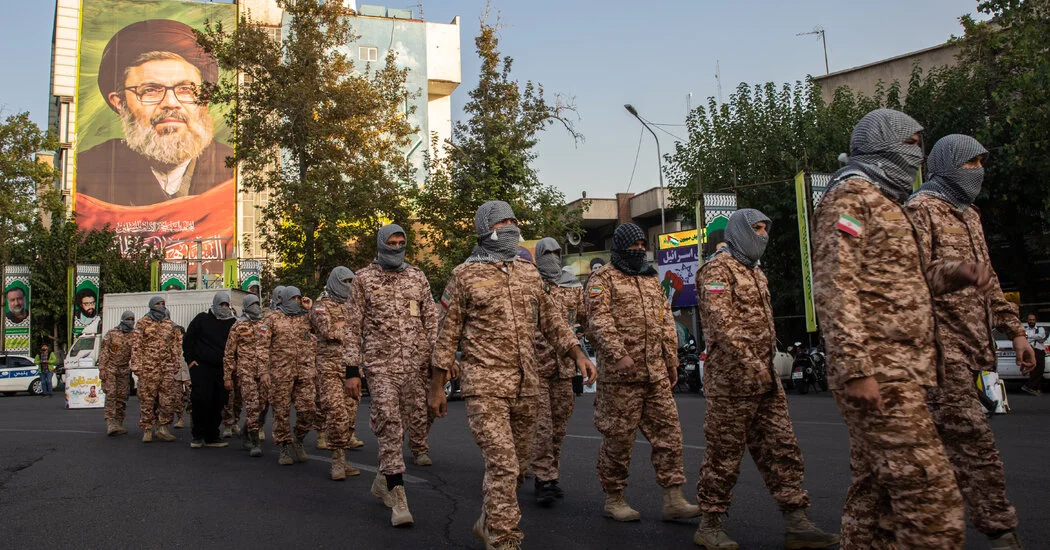
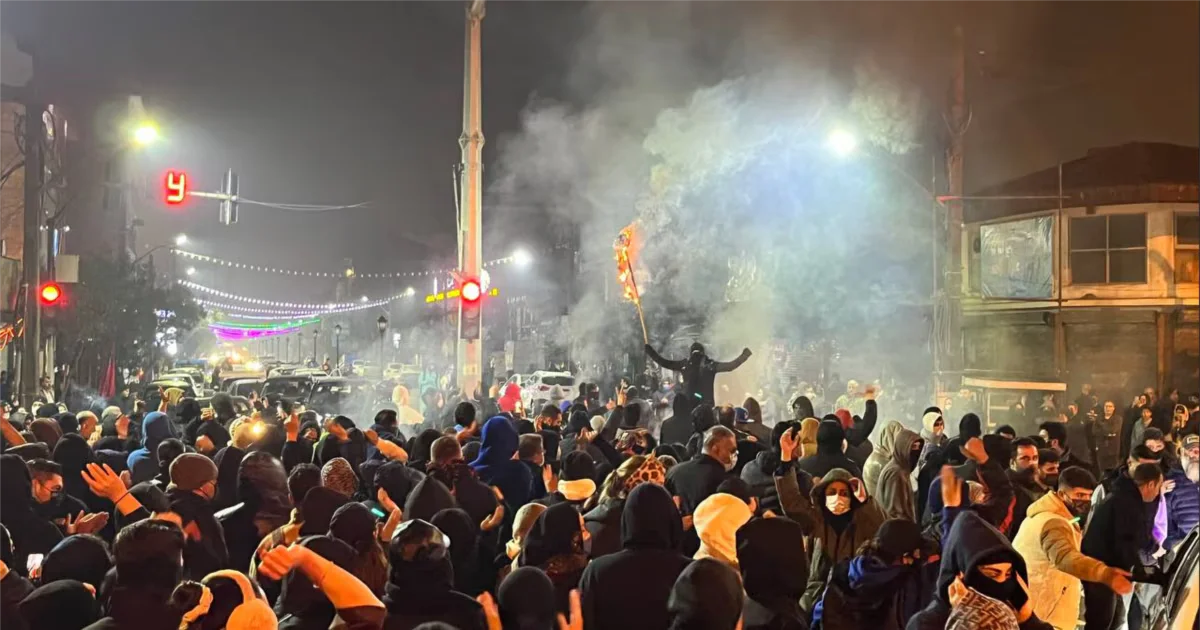
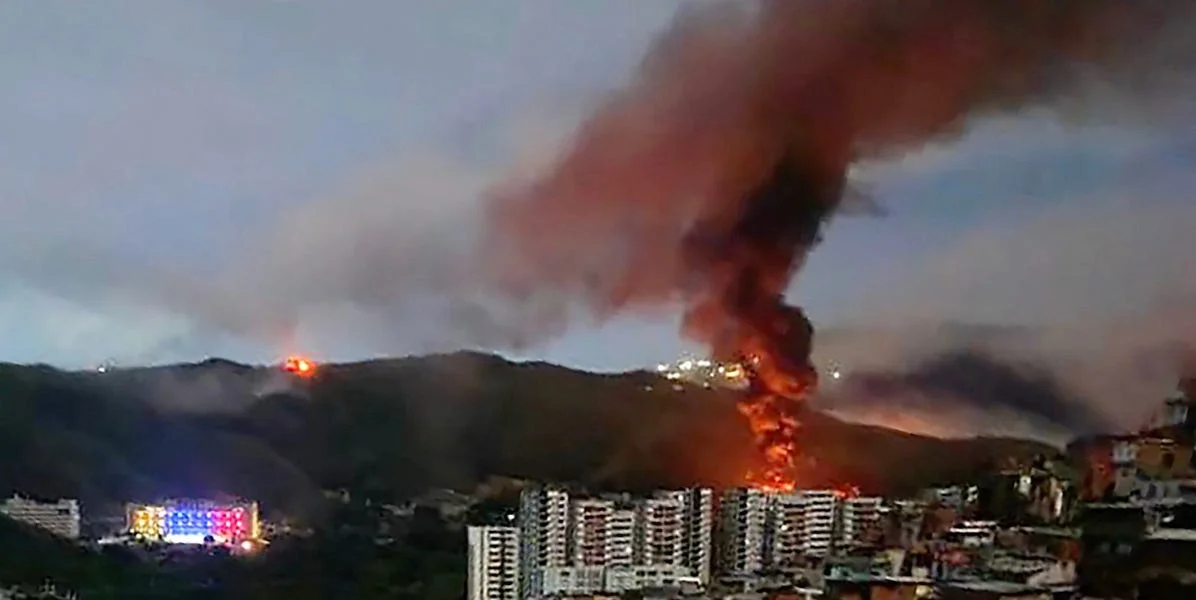
Iran is experiencing a 'slow meltdown' characterized by a collapsing economy, deepening repression, and internal divisions among hardliners. The rial has hit a record low of 2.5 million to the dollar, and inflation has reached nearly 90%. While the regime relies on violence to maintain control, analysts argue this strategy is unsustainable and risks backfiring. The government faces a choice between a 'North Korean-style' isolation or total collapse, with no clear path to recovery.