
Egypt’s Financial Vulnerability Drives Military Support for Saudi Arabia
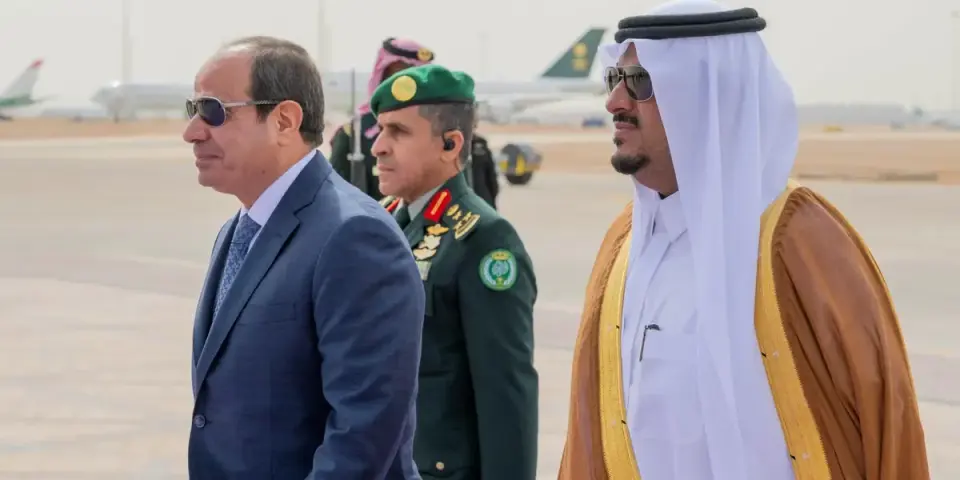
Egypt’s parliament authorized President Abdel-Fattah el-Sisi to provide defensive military support to Saudi Arabia against Houthi attacks. The decision follows weeks of debate and two postponements, driven by Cairo’s severe financial dependence on Gulf deposits and the threat to Suez Canal revenues. While Egypt emphasizes a defensive posture and excludes offensive strikes on Yemen, the move risks drawing the country into a broader regional conflict.
Key points
- Egypt’s parliament voted to authorize President Sisi to take necessary measures to defend Saudi Arabia against Houthi missile and drone attacks on airports and oil infrastructure.
- The vote required a two-thirds majority and faced delays due to concerns over undisclosed mission costs, duration, and troop numbers.
- Egypt’s decision is heavily influenced by financial pressures, including $10.3 billion in Saudi deposits at its central bank and a record-low currency exchange rate of 56 pounds to the dollar.
- The Suez Canal, a critical foreign currency earner, saw revenues drop from $10.2 billion in 2023 to approximately $4 billion in 2024 due to Houthi attacks on Red Sea shipping.
- Egypt maintains a defensive posture, ruling out offensive strikes on Yemen, while continuing diplomatic channels with Iran and the Houthis to prevent escalation.
Background
Egypt has historically avoided foreign military entanglements, notably after the 1962 Yemen civil war and the 1991 Gulf War. The current decision marks a significant shift, following a 2024 $35 billion property deal with the UAE and recent diplomatic efforts to manage regional tensions. Previous archive coverage highlighted domestic opposition and the postponement of the parliamentary vote, reflecting deep unease about being dragged into a foreign war.
How outlets are covering it
Responsible Statecraft emphasizes the financial motivations behind Egypt’s decision, highlighting the critical role of Gulf deposits and the economic strain from debt service and currency devaluation. Al Jazeera focuses on the parliamentary process and the defensive nature of the support, noting that Saudi officials sought reassurances of Egyptian backing. Both sources agree on the defensive posture but differ in emphasis, with Responsible Statecraft detailing the economic pressures and Al Jazeera highlighting the diplomatic and parliamentary aspects.
Why it matters
Egypt’s involvement could escalate the Houthi conflict, potentially drawing Cairo into a broader regional war. The decision impacts Egypt’s economic stability, given its reliance on Gulf deposits and Suez Canal revenues. It also affects regional dynamics, as Egypt’s support for Saudi Arabia may influence diplomatic efforts with Iran and the Houthis.
What to watch
Egypt may deploy troops to Saudi Arabia if requested, though the mission is expected to be defensive. Diplomatic efforts to prevent escalation with the Houthis and Iran will continue. The impact on Suez Canal revenues and Egypt’s foreign currency reserves will be closely monitored.
- Why is Egypt jumping into Houthi war? First, follow the money. Responsible Statecraft
- Egypt approves military support for Saudi Arabia after Houthi attacks escalate Reuters
- Iran’s Houthi allies may have new enemy: Egypt NewsNation
- Egyptian parliament authorises military aid for Saudi Arabia Al Jazeera
- Houthis: Egypt’s decision to give military support to Saudi Arabia is declaration of war The Times of Israel
Want the full story? Read the original reporting
Read on Responsible Statecraft