
Beirut-Jerusalem Talks Persist Despite Hezbollah Sabotage and Israeli Strikes
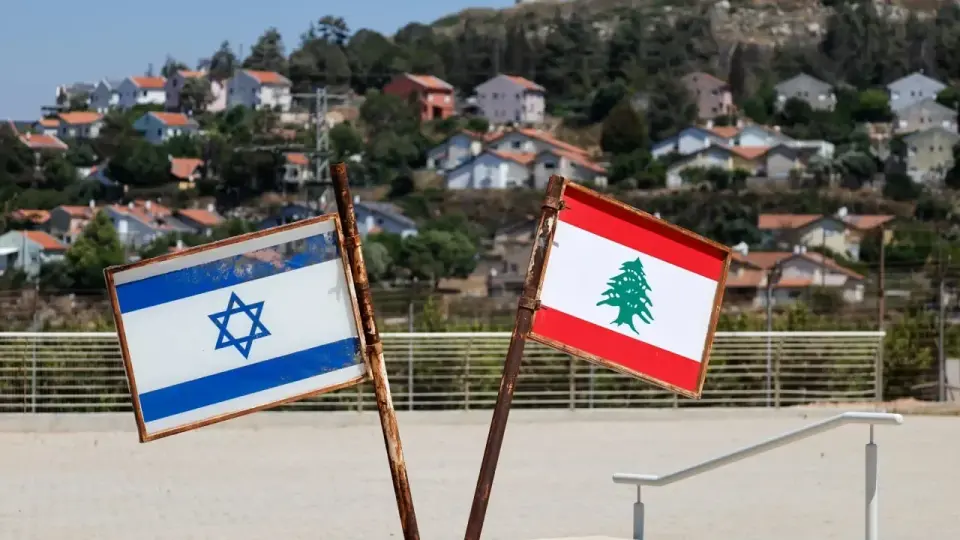
Despite ongoing Israeli strikes on Hezbollah infrastructure and violent incidents in southern Lebanon, diplomatic talks between Beirut and Jerusalem in Rome continue. Experts and officials indicate that while violence complicates negotiations, it has not derailed the process. The US views the discussions as fruitful, with both sides moving closer to expanding pilot zones, though ground-level tensions remain high.
Key points
- Beirut and Jerusalem held talks in Rome last week, with some sessions ending early due to Israeli strikes on Hezbollah targets in Lebanon.
- The negotiations follow a US-brokered June agreement requiring Hezbollah to cease threats from southern Lebanon and Israel to withdraw its forces completely.
- Two Israeli reservists, Maj. Harel Birenstock and M.-Sgt. Tamir Vaknin, were killed in an explosive incident attributed to Hezbollah, prompting renewed Israeli strikes.
- Lebanese President Joseph Aoun reported 'positive progress' on borders and prisoner exchanges, while the US State Department described the talks as 'fruitful'.
- Experts note a 'balancing act' for Israel: demonstrating military strength against Hezbollah while allowing Lebanon the political space to negotiate and disarm the group.
- Challenges remain for Lebanon, including the difficulty of searching private Shiite homes for weapons without judicial warrants and the economic crisis hindering the replacement of Hezbollah's social services.
Background
These talks are part of a broader US-mediated effort to stabilize the region following a June 2026 framework agreement. Previous coverage noted that Israel had vowed to remain in southern Lebanon, complicating US-Iran peace efforts, and that Washington recently blocked a broader Israeli strike on Hezbollah to prevent escalation. The current negotiations aim to translate military successes into a permanent peace, potentially reducing Iranian influence in the region.
How outlets are covering it
The Jerusalem Post highlights the 'paradoxical situation' where Israeli strikes make it difficult for Lebanon to negotiate but are necessary to weaken Hezbollah, citing experts Eran Lerman and David Schenker. Al Jazeera emphasizes the 'positive progress' reported by Lebanese President Joseph Aoun and the US State Department, while contrasting this with the frustration of displaced families and new Israeli attacks on the ground. Both sources agree that the talks are continuing despite violence, but the Jerusalem Post focuses on the strategic challenges of disarming Hezbollah, while Al Jazeera focuses on the diplomatic optimism and ongoing humanitarian concerns.
Why it matters
The success of these talks could lead to a permanent peace between Israel and Lebanon, potentially weakening Iranian influence in the region and allowing Israel to convert military gains into strategic stability. Failure could result in renewed conflict and continued instability in southern Lebanon.
What to watch
The next steps involve expanding the pilot zones, where Lebanon will demonstrate its capability to handle Hezbollah without Israeli intervention. The outcome will depend on Lebanon's ability to address domestic challenges, such as searching for weapons and replacing Hezbollah's social services, and Israel's willingness to withdraw its forces as promised in the June agreement.
- Hezbollah’s attempts to wreck Beirut-Jerusalem talks failing, experts tell ‘Post’ The Jerusalem Post
- Lebanon, Israel agree shortlist of countries that could send troops to verify Hezbollah disarmament Reuters
- Lebanon points to ‘positive progress’ on borders, prisoners in Israel talks Al Jazeera
- Despite deadly flare-up in violence, US claims progress made in Israel-Lebanon talks The Times of Israel
- Live Updates • Israel refuses to expand IDF withdrawal from Lebanon as Rome talks conclude haaretz.com
Want the full story? Read the original reporting
Read on The Jerusalem Post