
Houthis emerge as Iran's primary proxy as Saudi Arabia faces asymmetric siege
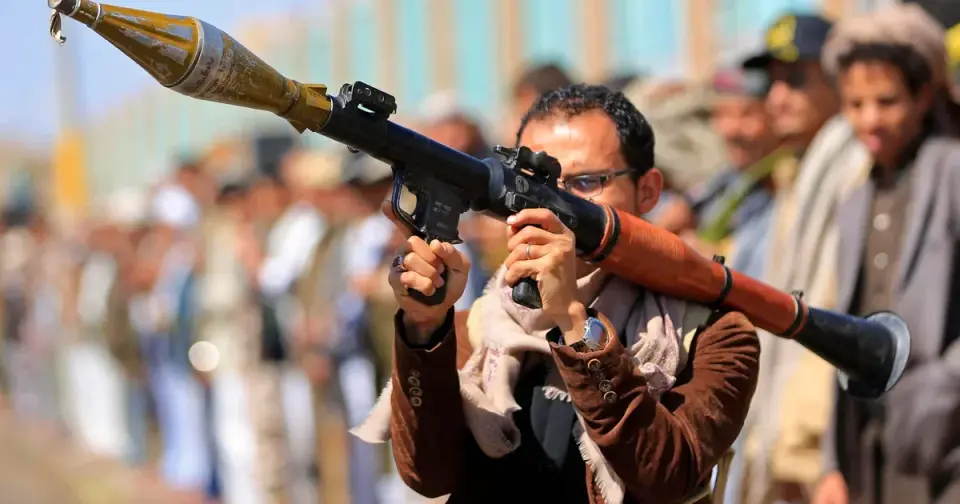
Yemen's Houthi rebels have become Iran's most potent regional proxy, outlasting the weakened Hamas and Hezbollah. Their recent attacks on Saudi infrastructure have killed at least 20 people and disrupted oil shipments, forcing Riyadh to seek US military support. While the Houthis possess advanced weaponry and AI-assisted capabilities, their entrenched position in Yemen makes them difficult to defeat through conventional force.
Key points
- The Houthis have replaced Hamas and Hezbollah as Iran's most effective proxy, surviving Israeli and US strikes while other groups were depleted.
- Recent Houthi attacks on Saudi airports and oil infrastructure have killed at least 20 people and threatened the Bab el-Mandeb Strait, driving up global energy prices.
- President Trump is considering joining Saudi military operations against the Houthis after initially rejecting the request, though the Houthis have threatened a 'swift and painful' response to US intervention.
- Analysts note that the Houthis use layered drone and missile attacks to overwhelm air defenses, a tactic they now employ against Saudi Arabia after previously using it against Israel.
- The conflict in Yemen has resulted in significant casualties, with the UN estimating 377,000 deaths since 2015, while recent fighting has caused hundreds of additional injuries and deaths.
Background
This escalation follows a period of relative calm after a 2022 UN-brokered truce. In September 2026, Saudi Arabia faced isolation when the US and allies declined to intervene against Houthi attacks, leading to crude prices exceeding $100 per barrel. Earlier in 2026, Israeli intelligence suggested Iran was attempting to coordinate a multi-front attack involving the Houthis, while Gulf states rejected Iranian attempts to formalize control over the Strait of Hormuz.
How outlets are covering it
CBS News emphasizes the Houthis' evolution into a formidable, well-armed force that has rebounded after previous conflicts, highlighting their strategic value to Iran. The Jerusalem Post focuses on Saudi Arabia's diplomatic and military dilemma, noting that Riyadh is hesitant to launch a massive response due to fears of triggering a wider regional war involving Iran and Iraqi militias. Geopolitical Futures frames the situation as a long-term security threat, arguing that the Houthi campaign exposes the limits of Saudi power and could reshape regional security dynamics. All sources agree that the Houthis are now the central opponent for the US and its allies in the region, but they differ on the immediate strategic options available to Saudi Arabia and the US.
Why it matters
The Houthi resurgence threatens global energy markets by targeting the Bab el-Mandeb Strait and Saudi oil infrastructure. It also complicates US strategy in the Middle East, as any direct US involvement risks a broader conflict with Iran. The situation highlights the effectiveness of asymmetric warfare, where a smaller, entrenched force can inflict significant damage on larger, wealthier nations.
What to watch
President Trump is expected to make a decision on whether to join Saudi military operations against the Houthis. The Houthis have threatened a 'swift and painful' response if the US intervenes. Saudi Arabia may continue to seek support from allies like France, Britain, and Egypt, while also considering a broader coalition including Israel and the UAE. The conflict in Yemen is likely to continue, with potential for further escalation if the Houthis launch new attacks on Saudi or US targets.
- How Iran made the Houthis into such a problem for the U.S. and its allies CBS News
- Riyadh's dilemma: Can Saudi Arabia stop Houthi attacks without triggering a wider war? - analysis The Jerusalem Post
- Why the Houthis Are a Long-Term Threat to Saudi Security Geopolitical Futures
- What ideology lies behind the Houthis’ destructive doctrine? Arab News
- Why the Houthis Are So Hard to Defeat Bloomberg.com
Want the full story? Read the original reporting
Read on CBS News