
Middle East Flashpoints: Houthi Strikes on Saudi Arabia, IDF Retaliation in Lebanon, and Iran’s Conditions for Peace
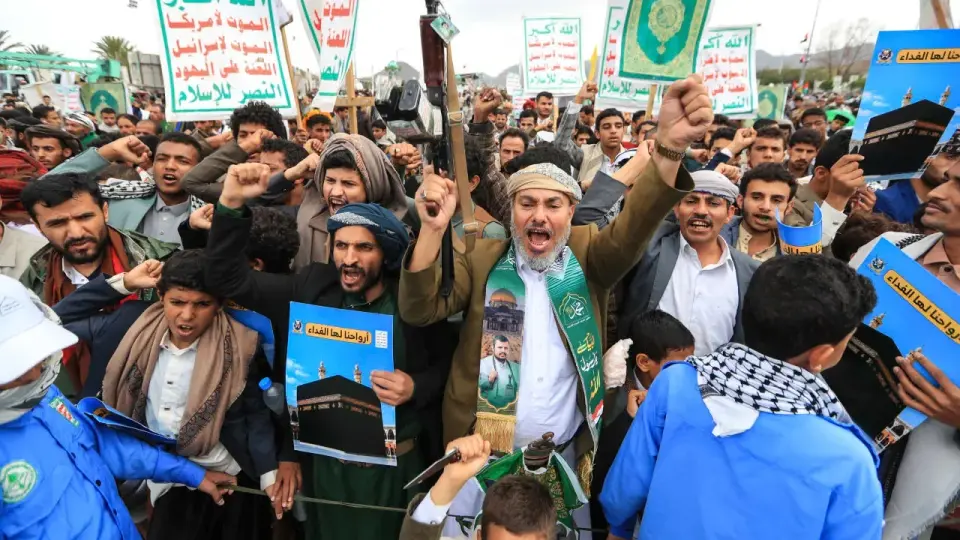
On September 19, 2026, regional tensions escalated as Yemen’s Houthis claimed missile and drone strikes on Saudi Arabia’s capital Riyadh and the Aramco facility in Yanbu, causing smoke near the airport. In Lebanon, two Israeli soldiers were lightly injured by an explosion, prompting immediate IDF retaliation strikes against Hezbollah. Simultaneously, Iran’s security chief stated that Tehran has conveyed conditions to mediators for ending the war with the US, including unfreezing funds and lifting the naval blockade. US Central Command reported escorting over 2,000 commercial ships through the Strait of Hormuz, while Israeli airstrikes in Gaza killed at least three people, including the son of a Hamas-linked official.
Key points
- Houthis claimed to have struck Saudi Aramco in Yanbu and sites in Riyadh with missiles and drones, though Saudi authorities did not confirm the hits; smoke was visible near Riyadh’s King Khalid International Airport after overnight alerts.
- Two Israeli soldiers were lightly injured by an explosion in southern Lebanon, leading the IDF to strike Hezbollah targets in response; both soldiers were evacuated for medical treatment.
- Iran’s Security Chief Mohsen Rezaei stated that Tehran has conveyed conditions to Qatari and Pakistani mediators for re-engaging in negotiations with the US, demanding an end to the war on all fronts, unfreezing of Iranian funds, and lifting of the naval blockade.
- US Central Command Commander Adm. Brad Cooper announced that over 2,000 commercial vessels carrying more than one billion barrels of oil have been escorted through the Strait of Hormuz since the war with Iran largely shut down transit.
- Israeli airstrikes in Gaza killed at least three Palestinians, including Basir AlBursh, the son of Hamas-linked health ministry head Munir AlBursh, near Jabalia refugee camp; the IDF confirmed striking Hamas terrorists but provided no further details.
Background
Recent developments in the Middle East have been marked by escalating tensions and diplomatic efforts. In August 2026, Iran reported significant repairs to its South Pars refinery and allowed Iraqi tankers through the Strait of Hormuz, while US actions tightened financial measures on Iran. By September 14, Hormuz diplomacy stalled due to Saudi objections, and Iran denounced Austria for denying visas to its nuclear chief. The current situation follows a period of shifting diplomacy, sanctions, and ongoing conflict across the region, including a June framework agreement between Lebanon and Israel for a gradual Israeli withdrawal, which has not fully prevented continued Israeli attacks and occupation in southern Lebanon.
How outlets are covering it
The Jerusalem Post and Al Jazeera both report on the ongoing conflict in southern Lebanon but emphasize different aspects. The Jerusalem Post highlights the immediate retaliation by the IDF after two soldiers were injured, focusing on the military response to Hezbollah. In contrast, Al Jazeera provides a broader context of Israeli troop movements and clashes with Lebanese forces, noting that Israeli artillery shelling injured two people in the Bint Jbeil district and that Israeli forces withdrew from the outskirts of Deir Mimas after a standoff with Lebanese soldiers. Al Jazeera also emphasizes the ongoing Israeli occupation of southern Lebanon despite the June framework agreement, while The Jerusalem Post focuses on the immediate military exchanges and the broader regional implications, including the Houthi strikes on Saudi Arabia and Iran’s conditions for peace talks with the US.
Why it matters
The Houthi strikes on Saudi Arabia and the IDF retaliation in Lebanon highlight the ongoing instability in the Middle East, with potential implications for regional security and oil supply chains. Iran’s conditions for ending the war with the US could influence future diplomatic negotiations and the broader geopolitical landscape. The US escort of commercial ships through the Strait of Hormuz underscores the critical importance of this waterway for global oil trade. Additionally, the Israeli strikes in Gaza and the ongoing conflict in Lebanon reflect the complex and interconnected nature of regional conflicts, with significant humanitarian and political consequences.
What to watch
The next steps will likely involve continued diplomatic efforts to resolve the US-Iran conflict, with mediators in Qatar and Pakistan playing a key role. The response to the Houthi strikes on Saudi Arabia could lead to further military actions or diplomatic negotiations. In Lebanon, the situation may evolve based on the implementation of the June framework agreement and the ongoing Israeli-Lebanese military exchanges. The US and Gulf Cooperation Council will likely continue to monitor and manage the flow of oil through the Strait of Hormuz, while Israel may adjust its military operations in Gaza and Lebanon in response to the latest developments.
- Live Updates: Latest from Israel, Iran, and the Middle East The Jerusalem Post
- Analysis • Bombing Hezbollah's stronghold opens a diplomatic door Israel is liable to close Haaretz
- IDF says it struck Hezbollah sites after terror group’s bomb wounded 2 troops The Times of Israel
- Two injured by Israeli shelling as troops advance in southern Lebanon Al Jazeera
- Two IDF soldiers lightly wounded by IED blast in southern Lebanon Ynetnews
Want the full story? Read the original reporting
Read on The Jerusalem Post