
Turkey’s ‘Terror-Free’ Bill Seeks to End PKK Conflict, Reshape Regional Power
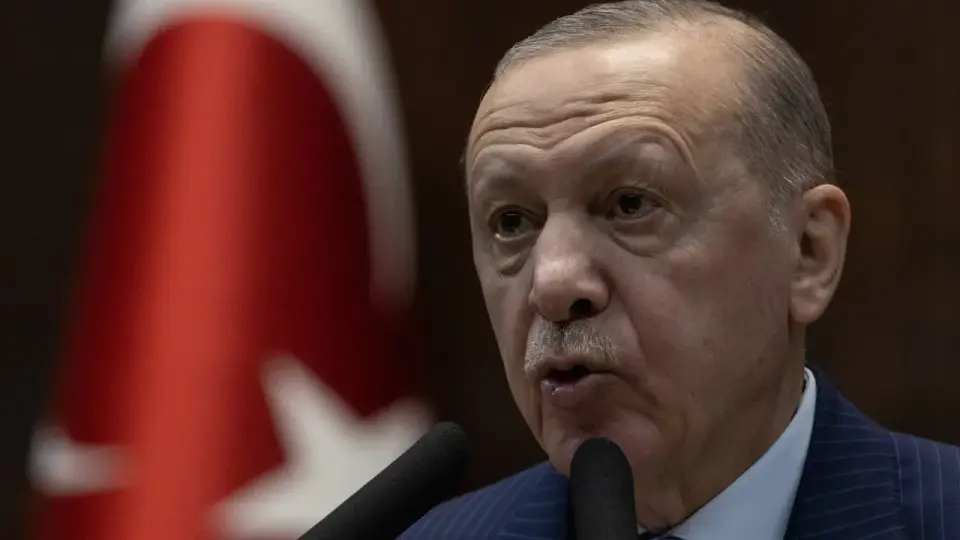
Turkey’s parliament is reviewing a 12-article bill to end the decades-long conflict with the Kurdistan Workers’ Party (PKK). The legislation offers amnesty to lower-ranking members and suspends sentences for those not involved in killings, provided the group disarms. While the move aims to stabilize relations with Iraq and Syria, it also serves President Erdogan’s political interests ahead of 2028 elections, though senior leaders like Abdullah Ocalan remain excluded from the pardon.
Key points
- The bill, titled 'Strengthening National Solidarity and Social Cohesion,' was submitted to parliament on August 5 with support from 360 deputies.
- It offers amnesty to approximately 4,000 PKK members not involved in violence, with a six-month window to apply after official disarmament.
- Senior figures, including leader Abdullah Ocalan, are excluded from the amnesty due to prior life sentences and serious crimes.
- The move is seen as a strategic shift to redirect resources from counterterrorism to regional influence in Iraq, Syria, and the Mediterranean.
- The initiative is linked to Erdogan’s political future, as it may help secure votes for constitutional changes allowing a third term.
Background
The PKK insurgency, active since 1984, has claimed over 40,000 lives. Previous peace efforts in 2008, 2012, and 2015 failed. The current process began with secret talks in April 2024, following Ocalan’s call for disarmament in February 2025 and a symbolic weapons-burning ceremony in Iraq in July 2025. The bill follows a period of regional instability, including US-Iran tensions, which shifted Ankara’s strategic calculations.
How outlets are covering it
The Jerusalem Post and Al-Monitor emphasize the bill’s role in expanding Turkey’s regional influence and Erdogan’s political legacy, noting that Ankara now acts from a position of military strength. AP News highlights the procedural aspects, including the National Security Council’s role in verifying disarmament and the potential for Ocalan’s release in future legislation. Caspian Post focuses on the legal mechanics, stressing that the bill is not a general amnesty and requires strict verification of weapon surrender. Al-Monitor also notes the political gamble, with opposition leader Ozgur Ozel potentially supporting the bill to woo Kurdish voters, while DEM lawmakers view it as a starting point for broader democratic reforms.
Why it matters
The bill could reshape Turkey’s regional strategy by freeing resources for operations in Syria, the Black Sea, and NATO. It may ease tensions with Iraq, facilitating trade and energy projects like the Development Road. Domestically, it could influence Kurdish voter support and constitutional debates, potentially allowing Erdogan to circumvent term limits. However, the success of the process hinges on transparent implementation and the handling of returnees, which will test the government’s sincerity.
What to watch
The Justice Committee will deliberate on the bill starting August 7, with a plenary vote expected soon. The National Security Council must confirm the PKK’s disarmament before the amnesty takes effect. Further legislation may address Ocalan’s release and broader Kurdish rights. The first batch of returnees will be a key test of the process, with regional implications for Iraq and Syria.
- Turkey’s PKK amnesty bill could reshape its regional strategy The Jerusalem Post
- Bill aiming for peace between Turkey and Kurdish fighters goes to parliament AP News
- Turkey unveils draft law to reintegrate PKK militants, achieve peace Reuters
- How Turkey's PKK amnesty law entwines Kurds' hopes with Erdogan's ambitions al-monitor.com
- ‘Terror-Free Türkiye’ Bill Sent to Commission for Review Caspianpost.com
Want the full story? Read the original reporting
Read on The Jerusalem Post