
Three Years After Oct. 7: Hamas Faces Strategic Crisis While Israel Commemorates Victims
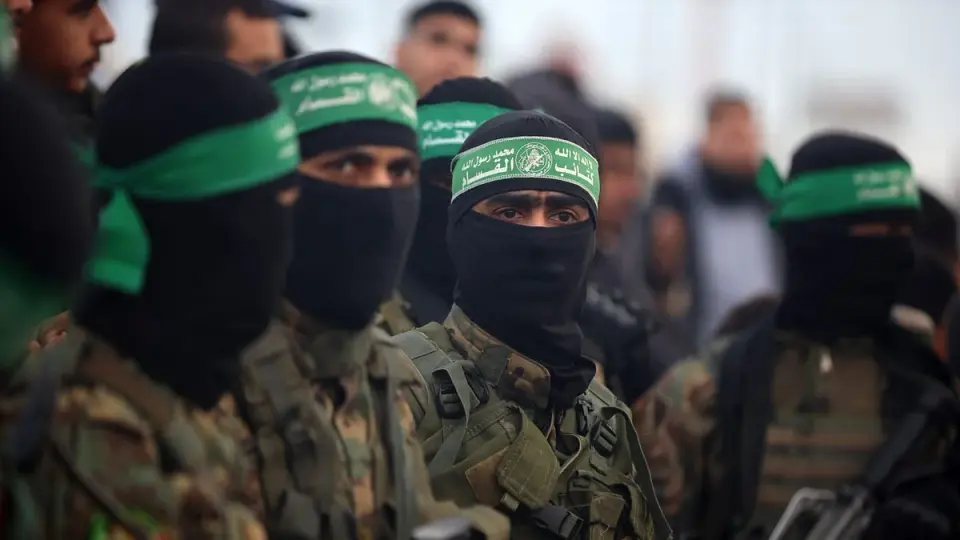
Three years after the October 7, 2023 attack, Hamas is in its worst strategic position since inception, having agreed to lay down arms in Gaza in exchange for Israeli withdrawal. While Israel marks the anniversary with commemorations and personal stories of loss, internal divisions within Hamas persist over the attack's legacy. The ceasefire, brokered in October 2025, has held despite Israeli strikes on Hamas commanders, with the group refraining from retaliation.
Key points
- Hamas has agreed to disarm in Gaza in exchange for Israeli withdrawal, marking a significant shift from its armed resistance identity.
- A ceasefire brokered in October 2025 has held, with Hamas refraining from firing rockets despite Israeli strikes on its commanders.
- Internal divisions within Hamas exist between those viewing October 7 as a strategic disaster and those using its legacy for political legitimacy.
- Israel marked the third anniversary with National Memorial Day commemorations led by President Isaac Herzog.
- Medical workers in Israel recounted personal losses and heroic actions during the attack, including nurses who treated wounded while protecting their own families.
Background
The October 7 attack occurred on the Jewish holiday of Simchat Torah, leading to a prolonged conflict in Gaza. Previous coverage noted disputes over pre-attack warnings from regional leaders, including claims by Egypt and the UAE that were rejected by Israeli officials. The current situation follows a ceasefire agreement reached in October 2025.
How outlets are covering it
Zeteo highlights Hamas's strategic defeat and internal divisions, noting the group's shift from liberation rhetoric to survival. JNS argues that the international community's lack of sympathy for Israel after the attack was due to pre-existing ideological biases rather than Israel's actions, advocating for a focus on strength rather than appeals for sympathy. Fox News focuses on personal stories of Israeli medical workers and victims, emphasizing the human cost and resilience of survivors. The sources differ in emphasis: Zeteo focuses on Hamas's internal dynamics, JNS on international perception, and Fox News on individual experiences.
Why it matters
The situation underscores the long-term consequences of the October 7 attack on both Hamas and Israel. Hamas's disarmament agreement signals a potential shift in the regional conflict dynamics, while Israel's commemorations and personal stories highlight the ongoing impact on Israeli society. The ceasefire's stability, despite Israeli strikes, suggests a new phase in the conflict, with implications for future peace efforts and regional stability.
What to watch
The focus will likely be on the implementation of the ceasefire agreement and Hamas's disarmament process. Israel may continue to monitor Hamas's compliance, while international observers will watch for any violations. The personal stories of survivors and medical workers may continue to shape public discourse and policy discussions in Israel and internationally.
- Where Does Hamas Stand Three Years After Oct. 7 – and What Comes Next? Zeteo | Substack
- Much of the world sees tragedy in Gaza. Many Israelis, scarred by Oct. 7, see only a threat apnews.com
- The real lesson of Oct. 7? Stop appealing for sympathy JNS.org
- Israeli medical workers who treated Oct 7 wounded relive day terror hit home Fox News
- Analysis • Israel's Oct. 7 leaders mourned the dead – and celebrated their own survival haaretz.com
Want the full story? Read the original reporting
Read on Zeteo | Substack