
Ukraine's Ground Drones: The Next Frontier of the War
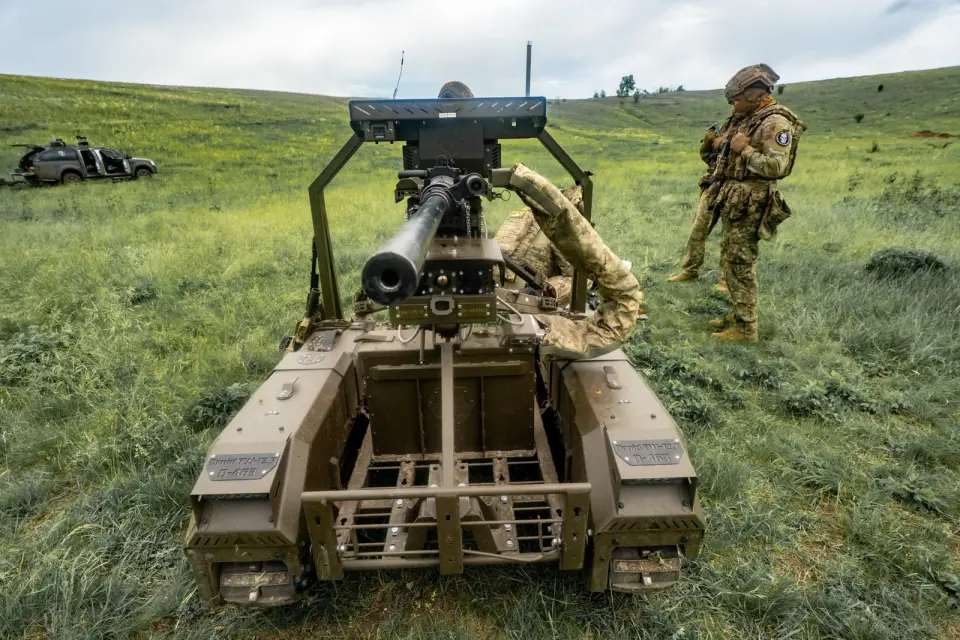
Ukraine is rapidly scaling unmanned ground vehicles (UGVs) to mitigate manpower shortages and reduce casualties in the 'kill zone.' While aerial drones dominate, ground robots now handle logistics, mine-sweeping, and combat assaults. The 3rd Assault Brigade’s NC-13 unit has achieved a 75% mission success rate with kamikaze UGVs, though challenges remain in navigation and electronic warfare. This shift reflects a broader trend toward AI-driven warfare, raising ethical questions about autonomous targeting and accountability.
Key points
- Ukraine’s 3rd Assault Brigade NC-13 unit has successfully deployed kamikaze ground drones, achieving a 75% mission success rate.
- UGVs are used for logistics, evacuating wounded, and combat assaults, reducing the need for infantry in the 20-mile 'kill zone.'
- Ukraine’s annual UGV production goal is 50,000 units, compared to over 7 million aerial drones produced this year.
- AI-assisted 'last-mile' navigation has increased drone strike accuracy from 10-20% to 80%, mitigating Russian electronic warfare.
- Ethical debates persist over autonomous weapons, with Ukraine currently requiring human-in-the-loop verification for final strikes.
Background
Ukraine’s defense industry has evolved from Soviet-era manufacturers to a global leader in drone technology. In 2026, Kyiv has deployed long-range drones that destroyed over one-third of Russia’s oil refining capacity and interceptors that helped Gulf states counter Iranian strikes. Earlier in 2026, Ukraine demonstrated hybrid ground-launched drone-missiles with 1,000-km reach and robotic amphibious assaults, signaling a rapid expansion of unmanned systems for reconnaissance and fire support.
How outlets are covering it
Washington Monthly emphasizes the tactical evolution of UGVs, highlighting the 3rd Assault Brigade’s NC-13 unit and the 75% success rate of kamikaze ground drones. The New York Times focuses on satellite technology enhancing drone targeting, noting near real-time troop movement tracking. UNITED24 Media explores the ethical and legal implications of AI-driven autonomous weapons, citing concerns about a 'responsibility gap' and the lack of international treaties. France 24 highlights the continued role of human soldiers, arguing that while drones destroy 90% of targets, human judgment and psychological resilience remain essential for holding territory.
Why it matters
The integration of UGVs and AI into Ukraine’s military strategy is reshaping modern warfare, reducing casualties and increasing efficiency. This shift has global implications, as it challenges existing international humanitarian laws and sets precedents for autonomous weapons use. The success of Ukrainian drone technology also influences defense strategies in other regions, including the Middle East, where Ukrainian interceptors have been deployed.
What to watch
Ukraine is expected to continue scaling UGV production and integrating AI for autonomous targeting. The Ministry of Defense is drafting policies to regulate autonomous weapons, balancing military necessity with ethical concerns. International negotiations on autonomous weapons may accelerate, but no legally binding treaty is currently in place. Future developments may include AI-guided ground robots and combined-arms drone assaults.
- The Next Big Thing in the Ukraine War: Ground Drones Washington Monthly
- How Satellite Advances Are Changing the Game for Ukraine The New York Times
- Should Ukraine Have to Justify Its Use of Battlefield AI? UNITED24 Media
- 'People, not robots': Ukraine's soldiers justify human role amid drone revolution France 24
- Ukraine expands use of AI for counter-UAS and aerial threat detection Unmanned airspace
Want the full story? Read the original reporting
Read on Washington Monthly