
Ukraine Pioneers Aerial Drone Evacuations to Bypass Lethal Frontline Kill Zones
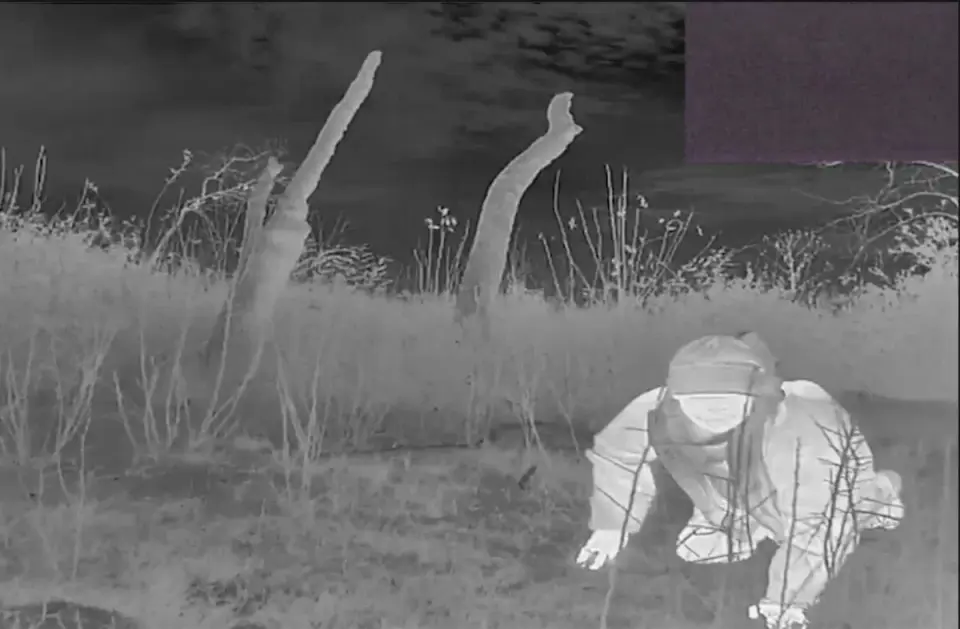
Ukraine has successfully deployed specialized heavy-lift drones to evacuate wounded soldiers from inaccessible frontline positions, marking a significant shift in battlefield medical logistics. The first confirmed aerial rescue involved a 49-year-old soldier stranded for 491 days in the Kupiansk sector, who was extracted by a Gurzuf Defence Ayudag-6 drone after conventional ground rescue failed. Simultaneously, the 475th Separate Assault Regiment utilized a SkyFall StarGate drone to rescue two soldiers near the Russian border, reducing evacuation times from hours to minutes. These operations highlight a new capability to bypass minefields and Russian drone patrols, though experts caution that such missions remain complex, high-risk exceptions rather than routine procedures.
Key points
- The first aerial evacuation occurred on October 4, 2026, involving Kostiantyn Vlasenko, a soldier from the 30th Mechanized Brigade who had been stranded for 491 days in the Kupiansk 'grey zone.'
- Vlasenko, who lost both feet due to injuries and self-amputation, was lifted by a Gurzuf Defence Ayudag-6 heavy-lift drone, which carried him 15 kilometers to safety using a winch and harness system.
- The 475th Separate Assault Regiment (Code 9.2) conducted two separate missions using the SkyFall StarGate drone, a six-rotor aircraft with an enclosed capsule, to rescue soldiers with severe limb injuries near the Russian border.
- The StarGate drone is designed to carry 150 kilograms and features signal jammers and autonomous navigation to counter Russian electronic warfare, aiming to reduce rescue times from hours to minutes.
- The Ayudag-6 rescue required extensive coordination, including diversionary Vampire drones, artillery suppression, and ground robot support, as the heavy drone could not fly the full distance on a single battery charge.
- Ukrainian military officials and drone manufacturers emphasize that aerial evacuation is currently a 'last resort' for isolated cases, as the complexity and risk involved prevent it from becoming a standard, routine medical procedure.
Background
Ukraine has increasingly relied on unmanned ground vehicles for battlefield logistics and casualty evacuation in recent years, as traditional armored vehicles became vulnerable to Russian drone strikes. Previous archive coverage noted that the 92nd Assault Brigade confirmed the first aerial evacuation in late October, highlighting a shift from ground-based robotic systems to aerial solutions. This development follows a broader trend in the conflict where drone technology has redefined warfare, creating 'kill zones' where human movement is nearly impossible. The introduction of heavy-lift drones for medical evacuation represents a new phase in this technological adaptation, aiming to address the 'golden hour' of trauma care in environments where conventional rescue is lethal.
How outlets are covering it
AP News focuses on the SkyFall StarGate drone and its rapid deployment by the 475th regiment, emphasizing the reduction of rescue times and the potential for a dedicated medical aviation unit. Ukrainska Pravda provides a detailed account of the Ayudag-6 rescue of Vlasenko, highlighting the extensive six-month preparation, multi-unit coordination, and the soldier's 491-day ordeal, while noting the developers' view that aerial evacuation is not yet routine. Reuters corroborates the Ayudag-6 rescue, detailing the specific mechanics of the winch and harness system, the escort by Vampire drones, and Vlasenko's self-amputation, framing the event as a dramatic but exceptional turnaround. Euromaidan Press offers a contrasting perspective on ground-based solutions, highlighting the 'Orion' unit's success with autonomous ground robots in the Kupiansk sector, suggesting that while aerial drones are innovative, ground robotics remain a viable and highly effective alternative for logistics and evacuation in certain sectors.
Why it matters
The successful deployment of aerial rescue drones demonstrates Ukraine's ability to innovate in response to the changing nature of modern warfare, where drone saturation has made traditional medical evacuation nearly impossible. By reducing rescue times and accessing previously unreachable positions, these technologies could save lives that would otherwise be lost to the 'golden hour' delay. However, the complexity and risk of these operations mean they are not yet scalable, highlighting the ongoing challenge of providing timely medical care in high-intensity conflict zones. This development also signals a shift in military logistics, where heavy-lift drones are being repurposed from combat and supply roles to critical medical functions, potentially influencing future military doctrine and technology development.
What to watch
Ukrainian military officials plan to integrate aerial evacuation capabilities into their medical structure, with the 475th regiment considering the creation of a separate medical aviation unit. SkyFall intends to establish a dedicated unit for StarGate drones, while Gurzuf Defence plans to equip its mass-produced Ayudag-6 logistics drones with evacuation kits. However, both manufacturers stress that these missions will remain exceptional due to their complexity and risk. The military will likely continue to rely on a combination of ground robots, electronic warfare, and aerial drones for casualty evacuation, with aerial options reserved for the most isolated and inaccessible positions. Future developments may include improved battery life, enhanced autonomous navigation, and better integration with existing battlefield management systems to increase the viability and frequency of such operations.
- A wounded Ukrainian soldier waited 2 days to be rescued. Then a drone flew him to safety AP News
- 491 days in the grey zone and losing both feet: exclusive details of the first-ever aerial evacuation aboard a Heavy Shot drone Українська правда
- Captured Russians say there is one place on Kupiansk front they will not go: "Orion" safety corridor Euromaidan Press
- A Ukrainian soldier severed his own foot to survive. Then came a dramatic rescue. Reuters
- Ukraine war latest: Ukrainian forces carry out 2 aerial evacuations of wounded soldiers, video shows The Kyiv Independent
Want the full story? Read the original reporting
Read on AP News