
Operation Vivaldi Halts Russian Donbas Encirclement, ISW Confirms
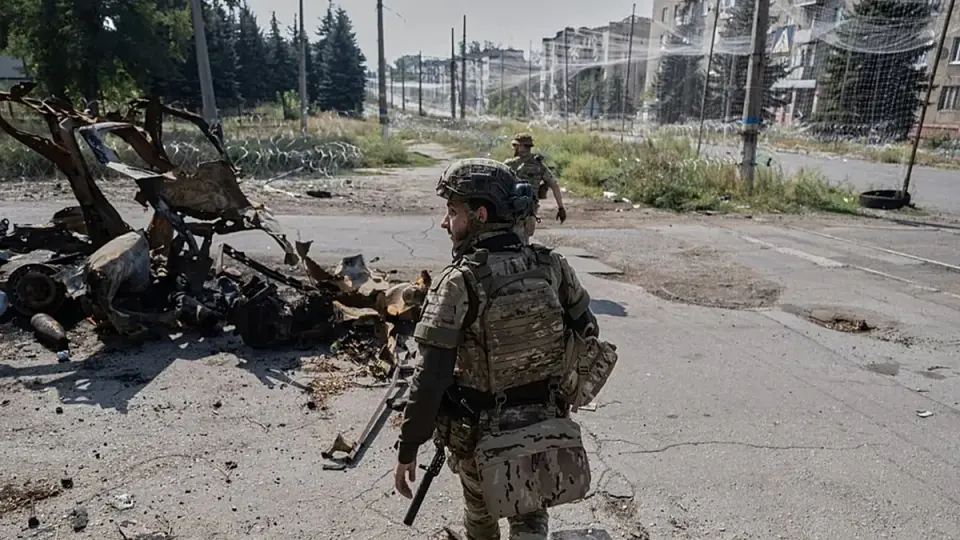
Ukraine's Operation Vivaldi has successfully dismantled Russia's northern pincer movement aimed at encircling the Donbas 'fortress belt.' While the Kremlin claims significant territorial gains, independent analysis confirms a net Russian retreat of over 80 square kilometers in September. Ukrainian forces reclaimed 176 square kilometers around Lyman, forcing Russian units onto the defensive and disrupting plans to advance on Sloviansk.
Key points
- Ukrainian 3rd Army Corps reclaimed 176 square kilometers of territory around Lyman through Operation Vivaldi, collapsing the Russian salient that threatened Sloviansk from the north-east.
- The Institute for the Study of War (ISW) determined that Russia actually lost 80 square kilometers in September, contradicting President Putin's claim that Moscow captured 1,301 square kilometers during the same period.
- Russian forces are now forced to defend previously occupied positions east of Sloviansk and Kramatorsk, with ISW noting that the collapse of the northern pincer represents a major operational failure for Moscow.
- Ukrainian President Volodymyr Zelenskyy stated that while Operation Vivaldi was successful, it remains incomplete, as Russian forces continue to face challenges in sustaining advances in the south-western sector.
- Russian casualty rates reached a record 46,230 in September, with over 70 percent confirmed as kills, according to Ukrainian military data.
Background
This development follows earlier reports from our archive in early October 2026, which highlighted a widening gap between Kremlin rhetoric and battlefield reality. Previous coverage noted that Russia had suffered a net loss of nearly 300 square kilometers since March 2026, driven largely by Ukrainian counteroffensives. The current situation confirms that Operation Vivaldi has not only halted Russian advances but has actively reversed them, disrupting the broader campaign to occupy the entire Donetsk region.
How outlets are covering it
ISW emphasizes the strategic failure of Russia's encirclement plan, noting that the loss of the northern pincer has deprived Moscow of key positions needed to threaten the fortress belt. Al Jazeera highlights the human cost, noting record Russian casualties and civilian deaths from Russian glide bomb strikes, including 30 killed in Kramatorsk on October 8. CEPA focuses on the tactical innovation of Ukraine, crediting strict operational secrecy and the aggressive use of ground and aerial robots for the success of Operation Vivaldi. While Euronews and ISW agree on the territorial losses, Al Jazeera notes that Russian forces are still fighting for settlements they once held, indicating a fluid and contested front line.
Why it matters
The success of Operation Vivaldi demonstrates Ukraine's ability to disrupt major Russian offensive plans and reclaim significant territory. It highlights the effectiveness of Ukrainian counteroffensive strategies and the growing disconnect between Russian official claims and battlefield reality. The operation has also forced Russia to divert resources to defend against Ukrainian counterattacks, potentially slowing its overall advance in the Donbas region.
What to watch
Ukrainian forces are expected to continue pushing eastward from the Lyman area, potentially targeting Kryva Luka and other high-ground positions. Russian forces may attempt to adapt their tactics, including increased use of glide bomb strikes and drone attacks, to regain momentum. The situation remains fluid, with both sides likely to continue adjusting their strategies in response to the evolving battlefield conditions.
- Ukraine’s Operation Vivaldi foils Russia’s plan to encircle the Donbas, ISW analysis shows Euronews.com
- Russian Offensive Campaign Assessment, October 8, 2026 Institute for the Study of War
- Ukraine pushes Russia back in Donetsk as military, civilian casualties soar Al Jazeera
- Silence, Delusion and Robots: Ukraine’s Eastern Advances Center for European Policy Analysis (CEPA)
- Ukraine Claws Back Land in the Donbas, Thwarting a Russian Push The New York Times
Want the full story? Read the original reporting
Read on Euronews.com