
Wounded US Troops Cite Systemic Failures in Post-Strike Medical Care
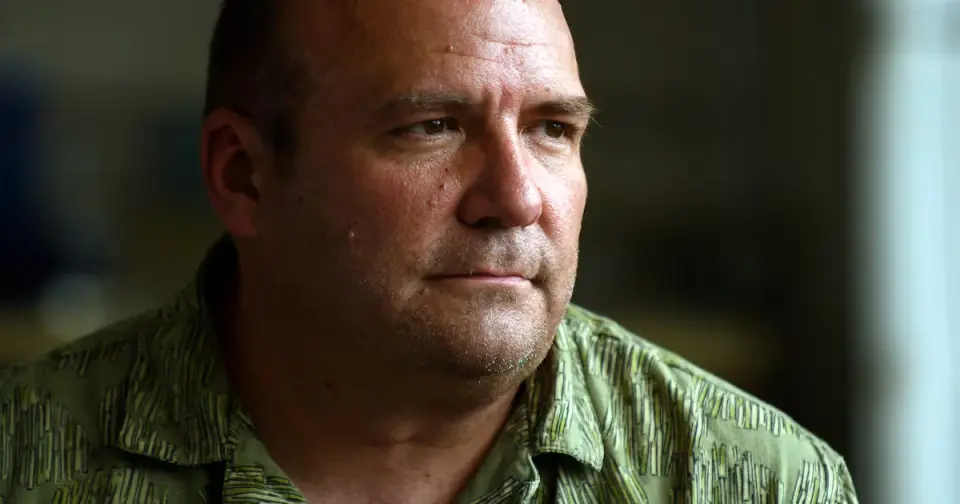
Nine US service members injured in a March 2026 Iranian drone strike at Port Shuaiba, Kuwait, have publicly criticized the military's medical response, alleging that bureaucratic errors and resource shortages delayed critical treatment for traumatic brain injuries and other severe wounds.
Key points
- The strike killed six troops and injured dozens; nine wounded soldiers spoke to the AP about their care.
- A coding error prevented some soldiers from being admitted to Landstuhl Regional Medical Center in Germany, sending them to barracks instead.
- Troops reported delays in MRI results, missed TBI diagnoses, and lack of pain medication, forcing them to seek care independently.
- The Pentagon maintains that all wounded troops were evaluated according to standard practices, while the Army declined to comment.
- The incident highlights the impact of years of US disinvestment in Middle East medical infrastructure, leaving no major US-run facilities in the region.
Background
This follows earlier reports (Oct 5) of troops and families demanding answers regarding the Port Shuaiba attack, where commanders were criticized for choosing a vulnerable site despite drone threat warnings. The current focus shifts from the initial strike to the subsequent medical handling, building on prior coverage of delays and errors in post-strike care.
How outlets are covering it
The AP and Anchorage Daily News emphasize the personal struggles of soldiers like Lt. Col. Arturo Lincón and Maj. Stephen Ramsbottom, who had to advocate for their own care due to system failures. The Pentagon defends its actions, stating that evaluations were appropriate and that Landstuhl's role is stabilization, not long-term admission. The Independent highlights the logistical chaos, noting that soldiers had to Google for hospitals in Kuwait City. While the AP focuses on the medical system's breakdown, the Pentagon focuses on procedural adherence, creating a stark contrast between the lived experience of the wounded and the official narrative.
Why it matters
The failure to properly treat wounded soldiers undermines trust in the military's support system and raises questions about the readiness of US forces in the Middle East following years of drawdowns. It also highlights the long-term physical and bureaucratic consequences for veterans, potentially affecting their benefits and reintegration into civilian life.
What to watch
The Army is expected to brief the families of the six killed soldiers on the outcome of its investigation into the attack. Wounded soldiers will continue to seek specialized care, with some still awaiting proper diagnoses and treatment for TBIs and other injuries months after the strike.
- Soldiers badly wounded in Iranian drone strike say military’s medical system failed them Anchorage Daily News
- Soldiers seriously wounded in Iranian drone strike tell AP the military's medical system failed them AP News
- Exclusive: Soldiers and Gold Star families press Army leadership after deadly Iranian drone strike Yahoo
- Wounded US service members reveal shocking medical neglect after Iran drone attack The Independent
- Soldier awarded Purple Heart from drone attack in first days of war Task & Purpose
Want the full story? Read the original reporting
Read on Anchorage Daily News