
UK Government Mandates New Private Parking Rules to Cap Fines and Protect Drivers
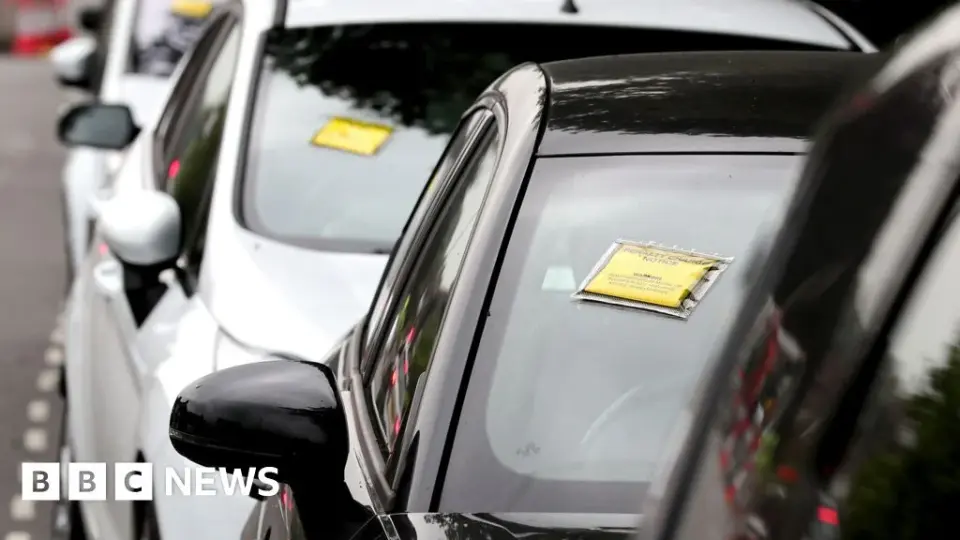
The UK government has introduced a new Private Parking Code of Practice to curb unfair charges, offering drivers grace periods, capped fines, and independent oversight.
Key points
- New rules guarantee a 5-minute decision period and a 10-minute exit window for private car parks.
- Maximum charges for minor errors, such as wrong registration entry, are capped at £20 on appeal.
- The overall maximum parking charge remains frozen at £100, matching previous voluntary codes.
- Operators failing to comply risk losing access to DVLA data, hindering their ability to pursue payments.
- A new independent Scrutiny and Oversight Board will monitor industry compliance and appeals.
Background
This move follows a 2024 voluntary code and a 2025 public consultation that received 4,526 responses. The new legislation aims to formalize protections that were previously voluntary, addressing long-standing complaints about aggressive enforcement by private parking firms.
How outlets are covering it
The RAC welcomed the changes as a step in the right direction but criticized the absence of a ban on debt recovery fees and the lack of a single independent appeals body. The AA praised the protections against aggressive operators, while the British Parking Association noted that many principles already existed in the voluntary code. The government emphasized the new independent oversight and data reporting requirements as key improvements.
Why it matters
With 17 million private parking tickets issued in 2025/2026, these rules aim to reduce the financial burden on drivers and prevent unfair penalties for minor mistakes, potentially saving consumers millions in disputed charges annually.
What to watch
The government will consult on debt recovery fees and other Competition and Markets Authority recommendations next year. Parliament will scrutinize the new Code before it is brought into force, and the independent oversight board will be established once the code takes effect.
- Burnham vows end to 'rip-off parking charges' under new rules BBC
- London drivers to get new rights to challenge unfair parking fines London Evening Standard
- PM puts the brakes on rip-off parking charges and car scams GOV.UK
- Private Parking Code a step in the right direction RAC Media Centre
- Private parking firms told to cap fines for motorists The Times
Want the full story? Read the original reporting
Read on BBC