
Lavrov Defends Iran Support in Tehran Amid Trump's Criticism and Regional Escalation
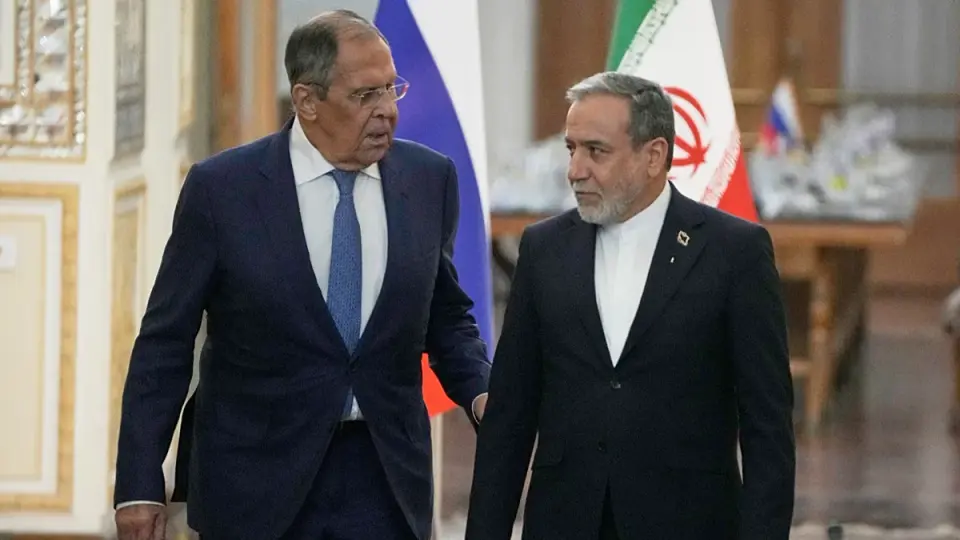
Russian Foreign Minister Sergey Lavrov reaffirmed Moscow's full support for Iran during a visit to Tehran, contradicting President Donald Trump's recent claims that Russia is doing little to help Tehran. Lavrov described Iran's cause as 'just' and pledged to maintain economic and investment ties, including the Bushehr nuclear plant and railway projects. This diplomatic push occurs amid ongoing US-Israeli strikes on Iran, which began in February 2026, and escalating tensions in the Strait of Hormuz. While Trump has eased sanctions on Russia to stabilize fuel prices and preserve Ukraine peace talks, he criticized Moscow for not supporting Iran more actively. Meanwhile, Houthi attacks on Saudi Arabia have intensified, prompting US security warnings for Americans in the Middle East.
Key points
- Lavrov stated Russia will not abandon economic and investment agreements with Iran, including the Bushehr nuclear plant and Rasht-Astara railway.
- Lavrov characterized the US-Israeli military campaign against Iran as an 'unprovoked' crisis and pledged diplomatic support for a resolution.
- Trump claimed Russia is doing 'very little' to help Iran and expressed intent to keep it that way, while defending his decision to waive new sanctions on Russia.
- The US State Department issued a security alert for Americans in the Middle East due to Houthi attacks on Saudi infrastructure and potential escalation.
- Oil prices remained elevated near five-month highs despite Trump's sanctions waivers, driven by risks to shipping in the Strait of Hormuz.
Background
This development follows months of tension since the US and Israel launched joint strikes on Iran on February 28, 2026. A June memorandum of understanding aimed at ending the war collapsed, leading to renewed strikes and the primary flashpoint shifting to the Strait of Hormuz. Previous coverage noted Lavrov's efforts to position Russia as a mediator in the region, balancing relations with Gulf states and Iran, while also highlighting China's leverage over Iranian oil exports. The current situation is further complicated by the US midterm elections on November 3, 2026, which are influencing Trump's decisions on sanctions and military engagement.
How outlets are covering it
Euronews and ABC News emphasize Lavrov's firm commitment to Iran, highlighting his rejection of Trump's characterization of Russian inaction. Al Jazeera provides broader context, noting Lavrov's simultaneous engagement with Gulf Cooperation Council (GCC) states, where he was urged to press Iran for dialogue, and highlighting the complex dynamics of Russian interests in the region. CBS News focuses on the immediate security implications, detailing Houthi attacks in Yemen and the US security warnings, while also noting the impact on oil prices. The outlets differ in emphasis: Euronews and ABC News focus on the diplomatic confrontation between Moscow and Washington, Al Jazeera highlights Russia's balancing act in the region, and CBS News focuses on the humanitarian and security consequences of the conflict.
Why it matters
The Lavrov visit and his statements signal a potential deepening of Russia-Iran ties despite US pressure, which could complicate efforts to end the US-Israeli war on Iran. The easing of US sanctions on Russia, while aimed at stabilizing fuel prices and preserving Ukraine peace talks, may inadvertently provide Moscow with resources to support Iran or other adversaries. The escalating Houthi attacks and threats to shipping in the Strait of Hormuz pose significant risks to global energy markets and regional stability, with potential spillover effects on the US midterm elections. The situation also highlights the complex interplay between US, Russian, Chinese, and regional interests in the Middle East, with each actor pursuing its own strategic objectives.
What to watch
Watch for further developments in US-Iran negotiations, particularly regarding the seven-day ceasefire proposal Iran presented in September. Monitor the impact of Lavrov's visit on Russian-Iranian economic and military cooperation, including the resumption of work at the Bushehr nuclear plant. Observe the trajectory of Houthi attacks in Yemen and Saudi Arabia, and any potential US military response. Keep an eye on oil prices and their reaction to developments in the Strait of Hormuz and US sanctions policy. Finally, assess the implications of these events for the US midterm elections on November 3, 2026, and the broader US-Russia-Ukraine peace negotiations.
- Lavrov backs Iran after Trump says Russia doing 'little' for Tehran Euronews.com
- Iran live updates: Russia says it won't stop cooperating with Iran ABC News - Breaking News, Latest News and Videos
- Russia’s Lavrov discusses US war and regional security during Tehran visit Al Jazeera
- Live Updates: Russian diplomat condemns U.S.-Israel attacks in Tehran visit as Netanyahu tells Trump "we have a job to finish" CBS News
- Russia vows continued Iran ties as Trump welcomes limits on support Iran International
Want the full story? Read the original reporting
Read on Euronews.com