
COP31 in Antalya faces EU unity crisis as far-right surge threatens climate diplomacy
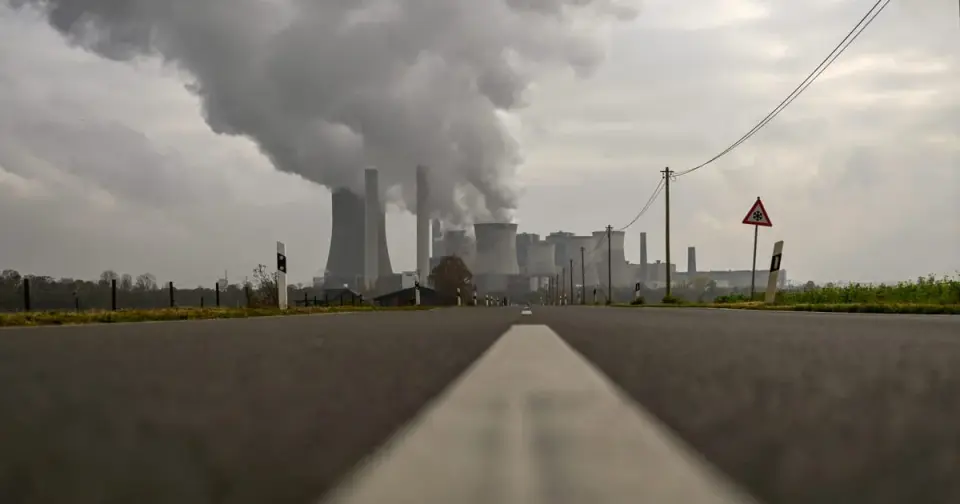
The European Union’s strategy to strengthen its influence at the UN climate conference COP31 in Antalya, Turkey, is being tested by a wave of far-right electoral victories expected across major member states. While the EU has adopted a unified diplomatic stance for the 2026 summit, upcoming elections in France, Spain, Italy, and Poland threaten to fracture this consensus. Populist parties are campaigning against EU climate goals, potentially undermining the bloc’s leverage ahead of the critical 2028 Global Stocktake. Simultaneously, global emissions have flatlined slightly in 2026 due to energy crises and renewable expansion, but the UN warns that 1.5°C warming is now inevitable, with 1.8°C becoming the new threshold.
Key points
- COP31 is underway in Antalya, Turkey, with the EU attempting to project a unified front through a new 'EU village' pavilion and joint communications strategy.
- The EU’s diplomatic clout is at risk due to upcoming elections in France, Spain, Italy, and Poland, where far-right parties are gaining traction and opposing climate policies.
- Far-right leaders in the European Parliament have criticized the UN climate process as ideologically driven and economically damaging, calling for a rollback of the Green Deal.
- Global fossil fuel emissions are forecast to drop by 0.4% in 2026, driven by high oil prices and renewable adoption, but this decline is offset by deforestation and land-use changes.
- The UN has acknowledged that limiting warming to 1.5°C is no longer feasible, shifting the target to 1.8°C, while a new '35-by-35' pledge aims to increase global electrification to 35% by 2035.
Background
Recent archive reports indicate that 2026 is on track to be one of the warmest years on record, with global temperatures averaging 1.47°C above pre-industrial levels. A study in Nature found that 90% of the warming expected at 1.5°C has already been realized in all regions. Additionally, analysis of COP31 tactics highlights how nations use procedural shortcuts and affordability arguments to obstruct meaningful progress, a challenge the EU aims to counter with its new diplomatic strategy.
How outlets are covering it
Politico emphasizes the political fragility of the EU’s climate stance, highlighting how far-right victories in key member states could dismantle the bloc’s negotiating power before the 2028 Global Stocktake. The Guardian focuses on the scientific data presented at COP31, noting the slight decline in fossil fuel emissions but warning that this trend is fragile and offset by other factors. Time Magazine highlights the strategic shift toward electrification, featuring the '35-by-35' pledge as a central goal of the conference. While Politico views the EU’s efforts as a 'last hurrah' before potential political fragmentation, The Guardian and Time offer a more nuanced view, acknowledging slight progress in emissions and a renewed focus on electrification, albeit within a context of accelerating global heat and geopolitical distraction.
Why it matters
The outcome of COP31 and the subsequent political shifts in Europe will determine the EU’s ability to lead global climate negotiations. If far-right parties successfully roll back climate policies in major member states, the EU may lose its leverage in international talks, potentially stalling progress toward the 2028 Global Stocktake. This could have global implications, as the EU’s stance often sets the tone for other nations. Furthermore, the slight decline in emissions, while positive, is not enough to avert the worst impacts of climate change, underscoring the need for sustained and ambitious policy action.
What to watch
The EU will continue to monitor the outcomes of the upcoming elections in France, Spain, Italy, and Poland, adjusting its diplomatic strategy as needed. The conference will focus on the '35-by-35' electrification pledge, with countries expected to set national targets. The UN will continue to assess progress toward the 1.8°C threshold, while the EU will seek to maintain its unified stance despite internal political pressures. The next major milestone will be the 2028 Global Stocktake, where the EU’s ability to project a coherent and influential position will be critically tested.
- Why COP31 may be the EU’s last great climate hurrah POLITICO.eu
- With Hopes Low and Temperatures High, Climate Summit Opens in Turkey The New York Times
- Cop31 live: slight drop in fossil fuel emissions revealed as conference enters second day The Guardian
- New climate reality outruns the old COP agenda Politico
- Murat Kurum and Chris Bowen: The 100 Most Influential Climate Leaders of 2026 Time Magazine
Want the full story? Read the original reporting
Read on POLITICO.eu