
Brazilian Pop Fandoms Mobilize to Defeat Flávio Bolsonaro in Lula Runoff
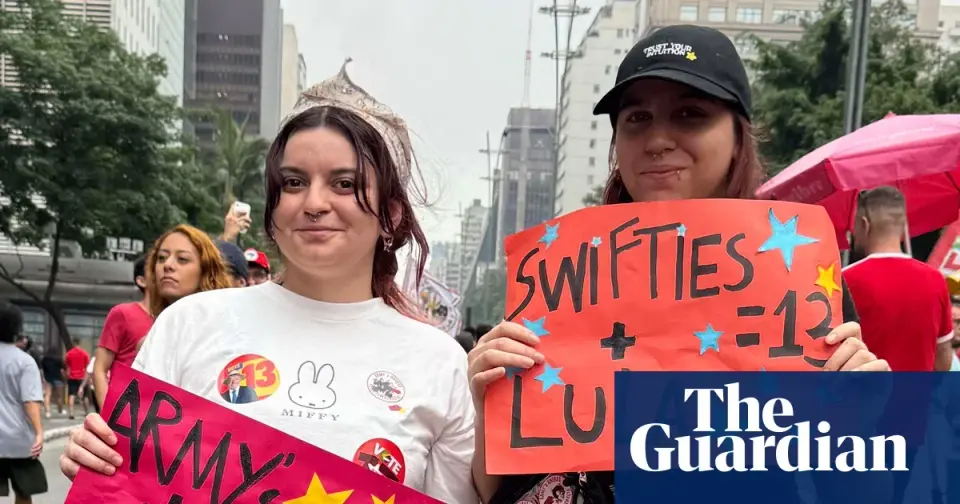
In a pivotal shift for Brazilian politics, over 600 fan communities for global and local pop stars have united to support President Luiz Inácio Lula da Silva in his bid for a fourth term. After Flávio Bolsonaro led the first round on October 4, these groups launched an intense digital campaign to counter the right-wing candidate’s momentum. The initiative, branded as Fandoms Pelo Brasil, leverages the high engagement of pop culture followers to mobilize voters for the October 25 runoff. Lula’s government has actively courted these groups through policies like a new 'fan decree' targeting ticket scalping, creating a symbiotic relationship between the administration and its most vocal online supporters. While some fanbases remain politically neutral or aligned with the right, the majority of progressive-leaning fandoms are treating the election as a priority over celebrity news, aiming to win over undecided voters through social media and street protests.
Key points
- Over 600 fan groups for artists including Billie Eilish, Lady Gaga, and Anitta have coordinated to support Lula’s re-election campaign.
- The mobilization began immediately after the October 4 first round, where Flávio Bolsonaro took the lead, prompting fans to use their social media reach to counter right-wing narratives.
- Lula’s administration previously signed a 'fan decree' in August to combat ticket-scalping bots and mandate free water at events, which helped build trust with these communities.
- The initiative 'Fandoms Pelo Brasil' serves as a hub for fans to learn how to mobilize, with some groups prioritizing political advocacy over celebrity updates until the runoff.
- Not all fan communities are aligned with Lula; groups for NewJeans and Shakira have either supported the opposition or remained neutral, highlighting a divided fan landscape.
Background
This development follows a period of intense political polarization in Brazil, where Lula’s Workers’ Party (PT) has faced significant challenges from the Bolsonaro legacy. The archive notes that Taylor Swift’s recent public appearances and music releases have kept her in the global spotlight, but this story highlights how her fanbase’s political engagement in Brazil is distinct from her artistic output. The current election is a critical moment for the left, as the first round results indicated a strong showing for Flávio Bolsonaro, Lula’s main opponent. The involvement of pop fandoms represents a new strategy for political campaigns, leveraging the high engagement and digital literacy of young fans to counter traditional media narratives. This approach builds on previous efforts by figures like congresswoman Erika Hilton, who collaborated with fans to oppose restrictive legislation, demonstrating the growing political power of fan communities in Brazil.
Why it matters
The mobilization of pop fandoms represents a significant shift in how political campaigns engage with young voters in Brazil. By leveraging the high engagement and digital reach of fan communities, Lula’s campaign aims to counter the right-wing momentum from the first round. This strategy highlights the growing intersection of pop culture and politics, where fan loyalty can translate into political support. The success of this initiative could influence the outcome of the October 25 runoff and set a precedent for future political campaigns in Brazil and beyond. It also underscores the potential for fan communities to act as powerful political actors, capable of mobilizing large numbers of people through social media and grassroots organizing.
What to watch
The runoff election is scheduled for October 25, 2026. The fan communities are expected to continue their digital and street campaigns until the vote, with some groups prioritizing political advocacy over celebrity news. The outcome of the election will determine whether Lula secures a fourth term or if Flávio Bolsonaro becomes president. The success of the fan mobilization could also influence future political strategies in Brazil, as campaigns may seek to engage with fan communities to reach younger voters. Additionally, the 'fan decree' and other policies aimed at supporting fans may continue to shape the relationship between the government and pop culture communities.
Want the full story? Read the original reporting
Read on The Guardian