
Israel’s 2026 Election Ends in Deadlock, Leaving Netanyahu’s Fate in the Balance
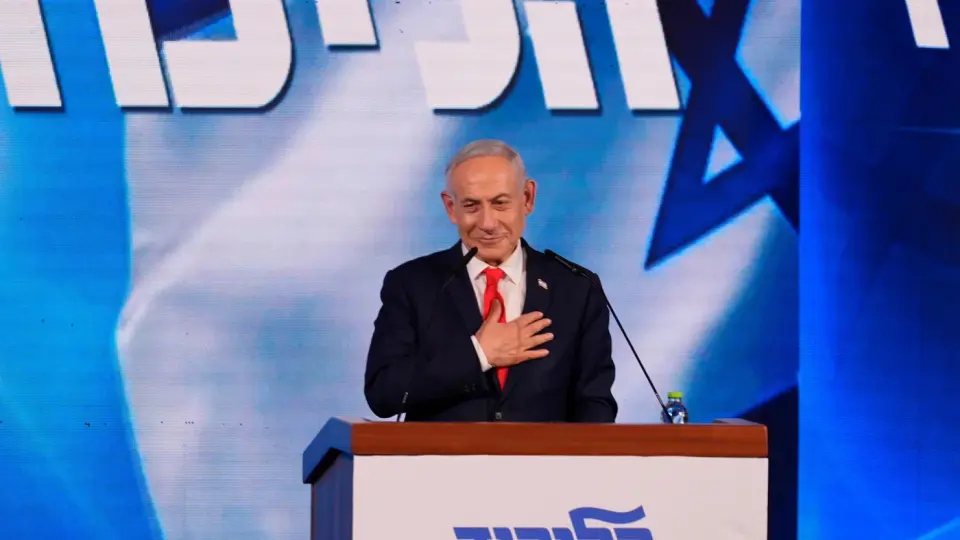
Israel’s October 28, 2026, general election has resulted in a political deadlock, with neither Prime Minister Benjamin Netanyahu nor his challenger Gadi Eisenkot securing the 61-seat majority required to form a government. Netanyahu’s Likud party remains the largest bloc with 26 seats, but his right-wing coalition has lost its majority, winning only 53 seats. Eisenkot’s opposition bloc holds approximately 67 seats but lacks the necessary support from Arab parties, which are projected to win a record 19 seats. President Isaac Herzog must now decide which candidate to task with forming a government, a process that could take weeks or months. The outcome is uncertain, with Netanyahu potentially using security crises to stall opposition efforts, while Eisenkot faces the risk of his diverse coalition fracturing.
Key points
- Netanyahu’s Likud party won 26 seats, the most of any party, but his right-wing bloc fell short of the 61-seat majority with only 53 seats.
- Gadi Eisenkot’s opposition bloc holds approximately 67 seats, but Jewish opposition parties total only 48 seats, requiring support from Arab parties to reach a majority.
- Arab parties, Raam and the Joint List, are projected to win a record 19 seats, making them potential kingmakers in coalition negotiations.
- President Isaac Herzog will consult with parties to determine which candidate has the best chance of forming a government, with a 28-day window (plus a 14-day extension) for negotiations.
- Netanyahu is expected to resist losing power, potentially using security crises or international pressure to block opposition-led coalitions, while Eisenkot faces risks of coalition fragmentation.
Background
This election is the first since the October 7, 2023, Hamas-led attacks, serving as a referendum on Netanyahu’s leadership during the subsequent military responses. Prior tensions include stalled Qatari-led nuclear negotiations with Iran and U.S. diplomatic withdrawals from Saudi Arabia amid Houthi strikes, highlighting regional instability. The U.S. midterms in November 2026 may also influence Netanyahu’s strategy, as he has sought U.S. intervention in Israeli politics.
How outlets are covering it
NPR emphasizes the lack of a clear winner and the uncertainty of the post-election process. CNN highlights Netanyahu’s survival tactics, including potential security escalations and U.S. intervention, and the complexity of Arab party involvement. The New York Times focuses on the tension between Israel’s identity as a Jewish state and a liberal democracy, noting the reluctance of Jewish parties to coalition with Arab ones. Politico points to American indifference toward Israeli politics, suggesting the next prime minister will face challenges in engaging the U.S. public. Outlets agree on the deadlock but differ on the emphasis: CNN and NPR focus on Netanyahu’s maneuvering, while The New York Times and Politico highlight broader structural and international issues.
Why it matters
The deadlock could prolong political instability, affecting Israel’s security policies and regional relations. The role of Arab parties as kingmakers may reshape Israeli politics, while Netanyahu’s potential use of security crises could escalate regional tensions. The outcome will influence U.S.-Israel relations and the broader Middle East landscape, particularly amid ongoing conflicts in Gaza and Iran.
What to watch
President Isaac Herzog will consult with parties to select a candidate for government formation. If the chosen candidate fails within 28 days (plus a 14-day extension), the mandate passes to another candidate. If all attempts fail, Israel will face automatic new elections. Netanyahu, as caretaker prime minister, may use security crises or international pressure to block opposition-led coalitions, while Eisenkot must navigate coalition risks.
- The Israeli election is deadlocked NPR
- Netanyahu is the ultimate survivor. But can he survive this time? CNN
- What to Make of Israel’s Ambiguous Election The New York Times
- Netanyahu and top rival face postelection choices that could redefine Israeli politics AP News
- Poll shows Israel’s looming challenge: American indifference Politico
Want the full story? Read the original reporting
Read on NPR