
UK Government Automatically Pardons 150 Women for Historical Abortion Convictions
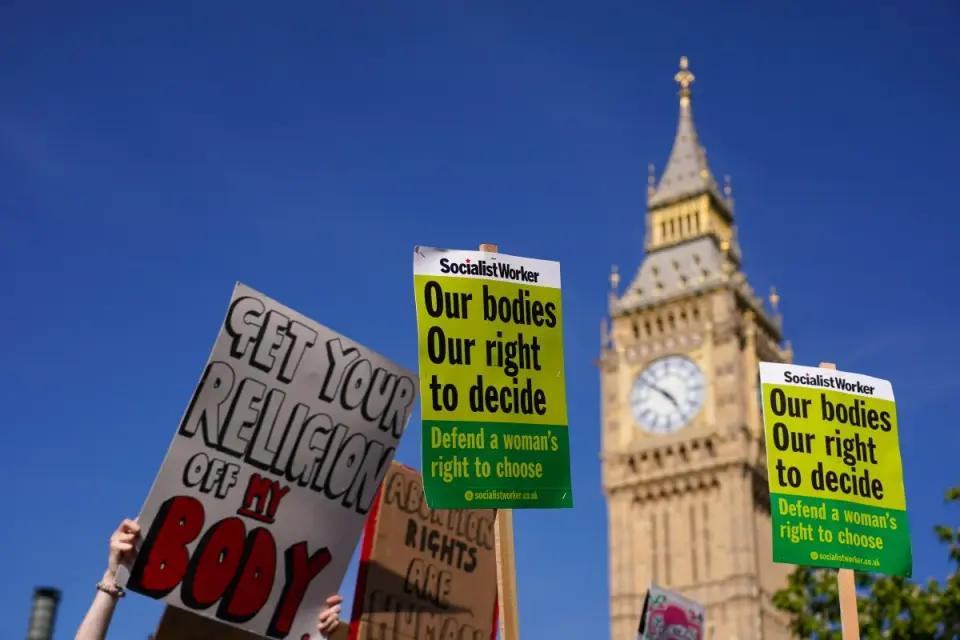
The UK government has automatically pardoned approximately 150 women convicted or investigated for self-administering abortions under Victorian-era laws. Effective November 16, 2026, these records are expunged under Section 242 of the Crime and Policing Act 2026. The move follows a 2025 parliamentary vote to decriminalize women terminating their own pregnancies. While medical bodies and campaigners call it a historic step toward justice, some affected women argue that a formal government apology is still needed to address the lasting trauma and stigma they endured.
Key points
- Automatic pardons take effect November 16, 2026, for women convicted or investigated for illegal abortions under the 1861 Offences Against the Person Act.
- The action is mandated by Section 242 of the Crime and Policing Act 2026, which took effect earlier this year.
- Approximately 150 women are affected, including those who received cautions, arrests, or convictions; some pardons are posthumous.
- Women do not need to apply; police and courts are updating records to remove details of arrests, investigations, and convictions.
- The decriminalization follows a 2025 parliamentary vote, prompted by high-profile prosecutions and public outcry over outdated laws.
- Some affected women, including Nicola Packer, have called for a formal government apology, arguing pardons do not erase the trauma or stigma.
Background
This development follows a 2025 parliamentary vote to decriminalize abortion by repealing a section of the 1861 Offences Against the Person Act. The law change was prompted by high-profile prosecutions, including the 2023 jailing of Carla Foster, a mother of three, for medically inducing an abortion at eight months pregnant. Foster was later freed by an appeals court, which stated the case called for 'compassion, not punishment.' Another notable case involved Nicola Packer, who was acquitted in 2025 after being charged with unlawfully self-administering poison to procure a miscarriage. Packer, who took abortion medication during a pandemic lockdown, testified she did not know she was more than 10 weeks pregnant, the legal limit for self-administration. The new Crime and Policing Act 2026 ensures women will not face criminal charges for terminating pregnancies at any stage, though doctors can still legally perform abortions up to 24 weeks in England, Scotland, and Wales, with exceptions for later stages.
How outlets are covering it
AP News and CBS News emphasize the automatic nature of the pardons and the lack of a specific number provided by the government, though MP Tonia Antoniazzi cited over 100 investigations in the five years prior to the 2025 vote. The Guardian provides a more detailed count, stating approximately 150 women are affected, and highlights the personal stories of those pardoned, including those who suffered from domestic abuse or coercive control. The Guardian also notes that some women, like Nicola Packer, are grateful for the pardon but still seek a formal government apology, arguing that the trauma and stigma cannot be erased by legal changes alone. BBC News focuses on the personal story of Nicola Packer, detailing the traumatic experience of her arrest and trial, and the five-year ordeal before her acquittal. All sources agree on the historic nature of the change and the support from medical bodies like the Royal College of Obstetricians and Gynaecologists, but differ in the emphasis on the need for further accountability and apology from the government.
Why it matters
This pardon marks a significant shift in UK law, addressing the historical criminalization of women for self-administering abortions. It removes the stigma and practical barriers, such as employment and travel restrictions, faced by women with criminal records for abortion-related offenses. The move reflects a broader trend toward decriminalizing abortion and recognizing the harm caused by outdated laws. However, the call for a formal government apology highlights the ongoing debate about the limits of legal pardons in addressing the deep-seated trauma and social stigma experienced by affected women. This case also underscores the importance of legislative reform in responding to public outcry and high-profile prosecutions, setting a precedent for future legal changes in reproductive rights.
What to watch
The government is expected to continue updating criminal records for affected women, with police forces and courts implementing the new requirements. A dedicated casework team has been established to provide information and support to those affected. The call for a formal government apology may lead to further political debate and potential legislative or policy changes. The impact of the pardon on the lives of affected women, particularly in terms of employment and social stigma, will be monitored. Additionally, the case may influence future discussions on reproductive rights and the decriminalization of abortion in other jurisdictions.
- British women to receive automatic pardons for past abortion convictions AP News
- Women prosecuted for abortions hail ‘historic day’ after receiving pardon The Guardian
- Women's criminal records wiped for abortion offences BBC
- Women in U.K. are getting automatic pardons for past abortion convictions CBS News
- ‘Huge relief’: Women prosecuted for abortions given pardon The Independent
Want the full story? Read the original reporting
Read on AP News