
El Salvador and U.S. State Department clash over uncoordinated military operations in Haiti
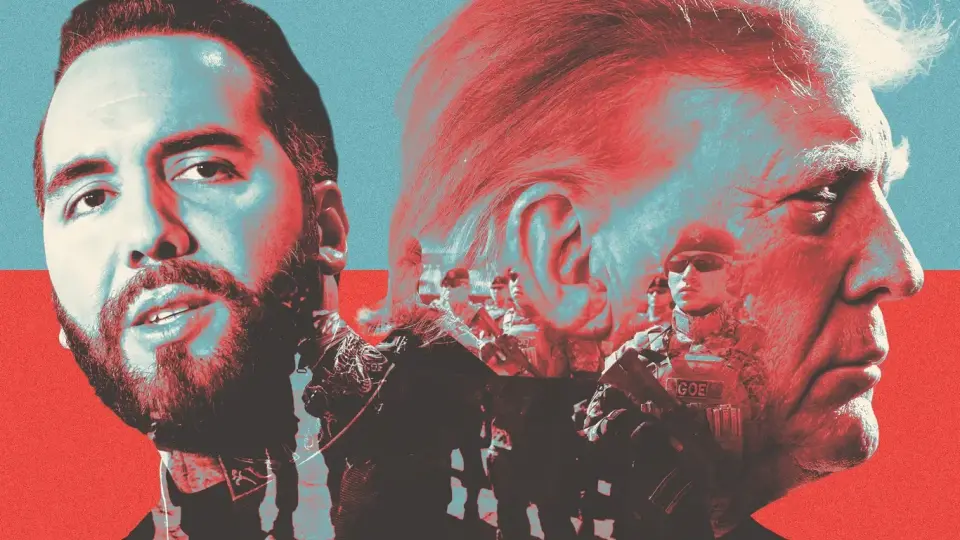
El Salvador issued a formal diplomatic protest against the U.S. State Department on Monday, accusing Washington of spreading misinformation regarding its military operations in Haiti. The dispute centers on a November 5 diplomatic note from the U.S. embassy in San Salvador, which alleged that Salvadoran forces failed to coordinate with the UN-backed Gang Suppression Force (GSF) and endangered U.S. personnel. President Nayib Bukele’s government rejected these claims, stating that its troops were firing away from the U.S. embassy and that no Salvadoran casualties occurred. The conflict highlights a rift between the Trump administration’s support for Bukele’s aggressive anti-gang strategy and the State Department’s concerns over operational coordination and international law.
Key points
- El Salvador’s foreign ministry issued a point-by-point rebuttal to a U.S. diplomatic note, categorically denying allegations that Salvadoran fire struck the U.S. embassy or that three of its soldiers were casualties.
- U.S. Chargé d’Affaires David Howell previously texted Haiti’s prime minister, urging El Salvador to halt operations until it coordinated with the GSF, citing risks to Chadian troops and civilians.
- The U.S. State Department maintains that three Salvadorans were injured, including one requiring medical evacuation, while El Salvador argues the evacuation was due to a lack of local medical facilities, not severe injury.
- Haitian Prime Minister Alix Didier Fils-Aimé publicly affirmed that foreign forces are there to support, not replace, the Haitian state, while acknowledging the need for security operations to eradicate gangs.
- The UN stated that most Salvadoran personnel are not operating under the GSF framework and emphasized the necessity of complying with international law and respecting human rights.
Background
This diplomatic friction follows El Salvador’s deployment of over 2,000 troops to Haiti on October 27, 2026, after four aviation technicians were captured by gangs on October 18. The intervention was approved by President Trump, who told Bukele to 'do what you have to do.' Previous coverage noted that Haiti postponed its first presidential elections in a decade to 2027 due to the instability, and that the deployment raised concerns about civilian safety and the lack of a clear political exit strategy.
How outlets are covering it
Axios highlights the internal U.S. tension, noting that State Department officials quietly objected to El Salvador’s actions despite Trump’s full support, with one official calling the bureaucrats 'a class of bureaucrats who don't want to see the change.' AP News focuses on the legal and operational ambiguity, reporting that El Salvador had not signed a protection agreement with Haiti or the UN prior to the October 18 attack, and that the UN has stated most Salvadoran personnel are not operating under the GSF framework. Fox News emphasizes the military success and political backing, quoting Bukele’s vow to use overwhelming force to rescue the missing technicians and noting that the operation has the support of Haiti’s transitional government, while also reporting that gang leader Wilson Joseph accused rival gangs of the ambush and claimed the technicians are dead.
Why it matters
The dispute exposes a significant rift within the U.S. foreign policy establishment between the Trump administration’s support for unilateral, aggressive security measures and the State Department’s insistence on multilateral coordination and adherence to international law. The lack of a clear command structure or rules of engagement for the Salvadoran forces raises concerns about potential civilian casualties and the precedent set for future multilateral missions in failed states.
What to watch
El Salvador is expected to continue its military operations in Haiti, with Bukele warning that he will use overwhelming force if the missing technicians are not returned. The U.S. State Department is likely to continue monitoring the situation for compliance with international law, while the UN may seek to mediate between the parties. Haiti’s government is focused on reestablishing security and holding elections in 2027, but the ongoing violence and diplomatic tensions could complicate these efforts.
- Scoop: El Salvador blasts U.S. State Dept. over Haiti gang war Axios
- El Salvador’s president thinks he can eliminate Haiti’s gangs The Economist
- Haiti’s prime minister Fils-Aimé speaks out as concerns over El Salvador’s troops deepen AP News
- Bukele warns Haitian gang leaders that his forces will 'finish' them as he did in El Salvador Fox News
- Haitian leader to visit El Salvador to discuss future of Salvadoran troops’ offensive in Haiti AP News
Want the full story? Read the original reporting
Read on Axios