
UK Health Agency Estimates 5,258 Heat-Linked Deaths in England’s Record-Breaking 2026 Summer
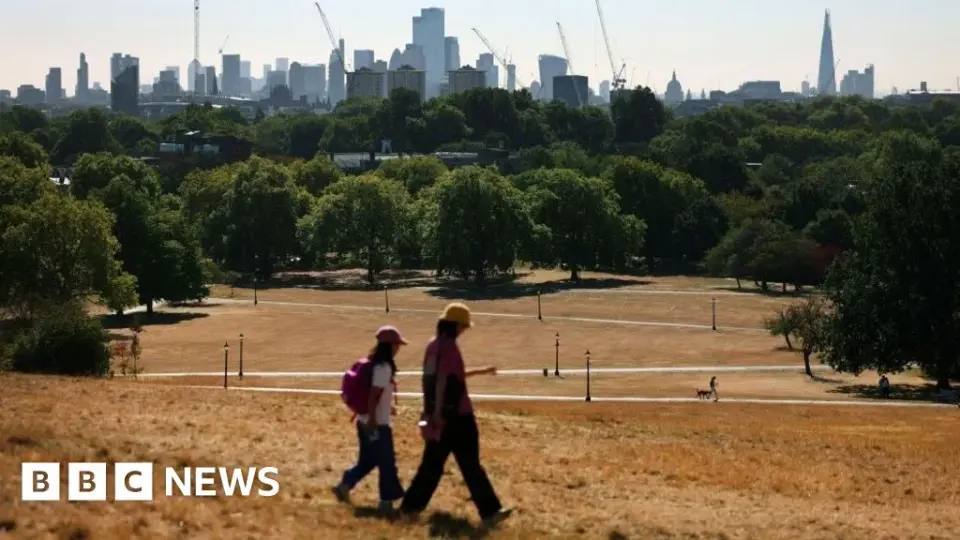
The UK Health Security Agency (UKHSA) estimates that 5,258 deaths in England were associated with the 2026 heatwave, marking the highest annual toll since records began in 2016. This figure is nearly double the previous record of 2,985 deaths in 2022. The deadliest period occurred between June 21 and 28, accounting for 2,401 deaths. Health Secretary Yvette Cooper has ordered the NHS to prepare for summer heat with the same rigor as winter, citing the human impact of climate change.
Key points
- UKHSA estimates 5,258 heat-associated deaths in England for 2026, the highest since records began in 2016.
- The 2026 toll is nearly double the previous record of 2,985 deaths set in 2022.
- The period from June 21 to 28 was the deadliest, with 2,401 estimated deaths and temperatures peaking at 38°C.
- Seven heat episodes occurred between May and August, totaling 41 days with average Central England Temperatures at or above 20°C.
- Health Secretary Yvette Cooper stated the NHS must now prepare for summer heat as seriously as for winter.
- Droughts were declared across all of Wales and more than two-thirds of England due to lack of rainfall.
Background
This domestic toll aligns with broader global trends reported in October 2026, where a study estimated over 50,000 heat deaths in European cities, two-thirds linked to climate change. Additionally, a developing 'Mega El Niño' with record Pacific temperature anomalies has raised warnings of up to 920,000 additional heat-related deaths globally by April 2027, suggesting that extreme weather patterns may continue to intensify.
Why it matters
The record-breaking mortality figures underscore the urgent need for long-term adaptation strategies in housing, neighborhoods, and healthcare settings. As climate change is expected to increase the frequency and intensity of extreme heat, the findings highlight the critical importance of proactive public health measures and infrastructure resilience to mitigate future losses.
What to watch
The NHS is expected to implement new protocols for summer heat preparedness, mirroring winter planning. Ongoing monitoring of heat episodes and adaptation measures in care settings will be crucial as climate models predict longer and more intense heatwaves in the coming years.
Want the full story? Read the original reporting
Read on BBC