
Report: Israeli assault has contaminated 99% of Gaza, creating long-term health risks
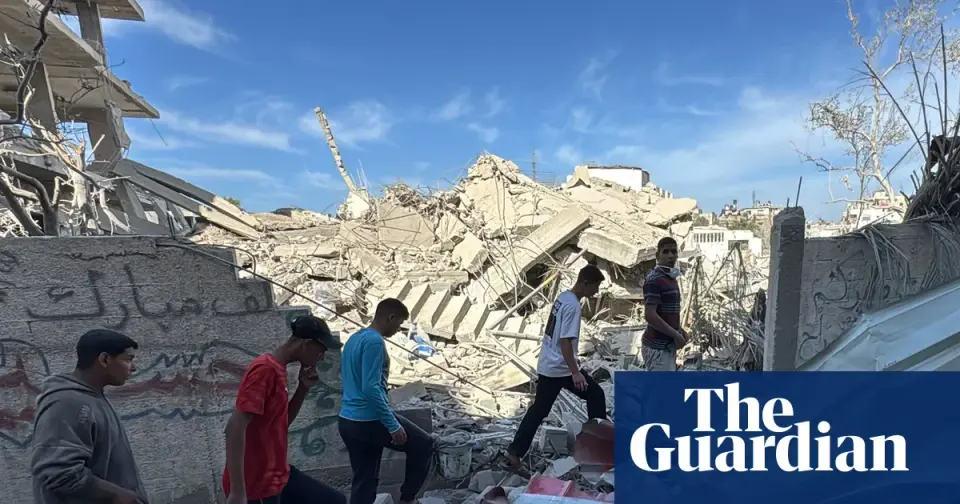
A joint report by Oxfam and the Conflict and Environment Observatory (CEOBS) states that Israeli military operations have contaminated over 99% of Gaza’s territory. The study identifies widespread toxic pollution in air, soil, and water, posing severe long-term health risks to the population. While Oxfam calls this an environmental war crime, Israel disputes the findings, citing the scale of Hamas’s tunnel network as a missing variable in the analysis.
Key points
- Oxfam and CEOBS found that contamination indicators exist across more than 99% of Gaza, with 78% of the landmass directly affected by military operations.
- The UN Environment Programme estimates the conflict generated 61 million tonnes of debris, containing hazardous materials like asbestos and explosive residues.
- Gaza’s water infrastructure is severely compromised; daily supply has dropped by 84% since 2023, and 97% of the coastal aquifer was already polluted before the war began.
- Health impacts include 1.9 million cases of acute respiratory infection and 81,000 cases of acute watery diarrhoea recorded in early 2026.
- Oxfam demands unrestricted access for independent environmental assessments, while Israel refuses entry for heavy equipment, citing security concerns regarding Hamas.
Background
This report follows a broader pattern of infrastructure destruction in Gaza, where approximately 82% of structures have been damaged or destroyed since the war began. Previous coverage noted that international medical coalitions have already condemned the destruction of healthcare facilities, and legal bodies, including the International Court of Justice, have been hearing cases regarding alleged genocide and war crimes in the region.
How outlets are covering it
Oxfam and CEOBS frame the environmental damage as a deliberate 'environmental war crime' that breaches international humanitarian law, emphasizing the long-term survival risks for Palestinians. In contrast, the Israeli Foreign Ministry and embassy dismissed the report as 'shameful and scandalous,' arguing that its methodology is flawed because it fails to account for the 500+ kilometer tunnel network built by Hamas, which they claim significantly impacts soil and groundwater analysis. Al Jazeera and The Guardian highlight the severe public health consequences, such as contaminated drinking water and respiratory diseases, while noting that Israel’s refusal to allow heavy equipment into Gaza prevents a full on-the-ground assessment.
Why it matters
The environmental degradation in Gaza threatens the long-term viability of the territory, with contaminated water and soil posing risks for generations. The inability to conduct a full environmental assessment due to access restrictions complicates reconstruction efforts and raises questions about accountability for the massive debris and toxic waste left behind.
What to watch
Oxfam is calling for a full, independent, field-based post-conflict environmental assessment to determine the extent of contamination and necessary remediation. Israel has stated that reconstruction will only begin after Hamas fully disarms, and it continues to block the entry of heavy equipment needed for large-scale cleanup, citing potential military misuse by Hamas.
- Israel’s destruction of Gaza has created a ‘toxic wasteland’, experts find The Guardian
- Israeli bombardment has left Gaza a ‘toxic wasteland’ for decades to come, report says CNN
- Environmental War Crimes Oxfam
- ‘Environmental crimes’: Israel blamed for toxic pollution in 99% of Gaza Al Jazeera
- Israeli attacks have turned Gaza into 'toxic wasteland', Oxfam says BBC
Want the full story? Read the original reporting
Read on The Guardian