
Putin vows retaliation after Ukraine strikes key Russian refineries despite Trump's ceasefire request
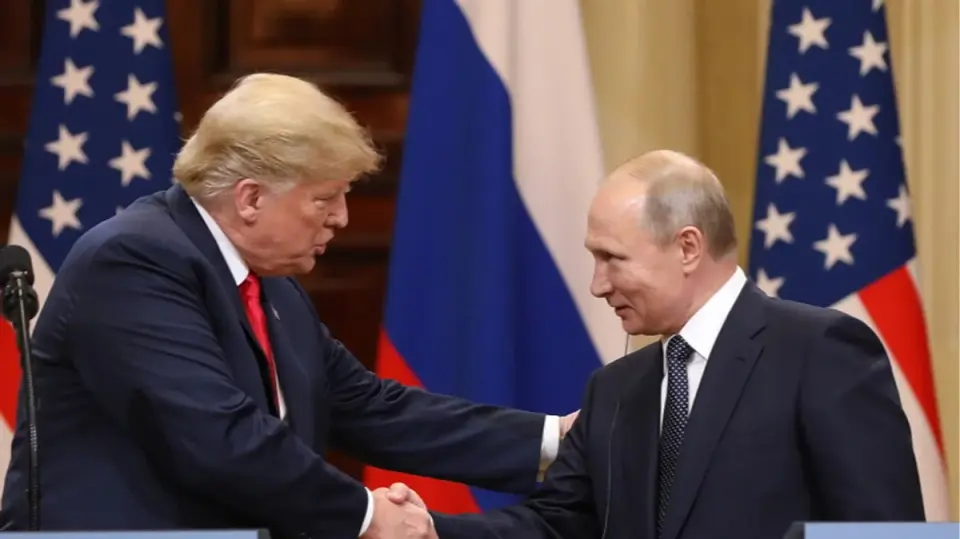
Vladimir Putin has threatened retaliation after Ukrainian drones struck major Russian oil refineries in Perm and Rostov regions, despite a direct request from US President Donald Trump to halt such attacks. Ukrainian forces confirmed strikes on the Novoshakhtinsk and Lukoil-Perm facilities, causing fires and at least one death. These attacks follow a period where Ukraine had paused strikes to support peace talks, but resumed them after Russia continued targeting Ukrainian energy infrastructure. The strikes have significantly reduced Russian oil processing volumes, with Moscow now facing potential diplomatic and military consequences for ignoring US mediation efforts.
Key points
- Putin stated at a fuel sector commission meeting that Ukraine is ignoring Trump's direct request to stop striking Russian refineries, calling Russian retaliation 'inevitable.'
- Ukraine's General Staff confirmed drone strikes on the Novoshakhtinsk refinery in Rostov Oblast and the Lukoil-Permnefteorgsintez refinery in Perm, causing fires and destroying air defense systems.
- The Perm region governor reported one death and two minor injuries from the drone attacks, while the Novoshakhtinsk refinery suspended operations.
- Ukrainian strikes have reduced Russian crude oil processing volumes by 45% since late October, with 55% of refining capacity reportedly offline.
- Zelensky defended the strikes, stating Ukraine will only stop attacking Russian refineries if Russia ceases attacks on Ukrainian energy infrastructure.
Background
This escalation follows a brief pause in Ukrainian strikes in late October, which coincided with US-brokered peace talks in Abu Dhabi. In September, Trump claimed Zelensky had agreed to scale back refinery strikes, but Ukraine resumed attacks in early November after Russia continued targeting Ukrainian energy sites. Previous strikes in November included the Kaleykino oil pumping station in Tatarstan and the Kerch Bridge. The current strikes occur amid ongoing diplomatic efforts, including a trilateral meeting between Putin, Trump, and Chinese President Xi Jinping, and European peace talks that Russia has questioned.
How outlets are covering it
Ukrainska Pravda and The Moscow Times emphasize Putin's threat of retaliation and his criticism of Ukraine for ignoring Trump's request, framing the strikes as a diplomatic failure. The Kyiv Independent focuses on the tactical details of the strikes, including specific facilities hit and the destruction of Russian air defense systems, while noting the significant reduction in Russian oil processing. Al Jazeera highlights the broader geopolitical context, including Zelensky's defense of the strikes and the potential for the conflict to spread to the Mediterranean. The sources agree on the facts of the strikes but differ in emphasis: Russian and US-focused outlets highlight the diplomatic breakdown, while Ukrainian outlets focus on the military impact and the justification for continued strikes.
Why it matters
The strikes signal a breakdown in the US-brokered ceasefire and could lead to further escalation, including potential Russian retaliation against Ukrainian infrastructure. The reduction in Russian oil processing volumes may impact global fuel prices and Russia's war funding. The diplomatic fallout could complicate ongoing peace talks and US-Russia relations, with Trump's mediation efforts potentially undermined by the continued strikes. The conflict's expansion to new regions, including the Baltic Sea and Mediterranean, raises concerns about wider regional instability.
What to watch
Russia may retaliate with increased strikes on Ukrainian energy infrastructure or other targets, as threatened by Putin. Ukraine may continue its campaign against Russian refineries if Russia does not cease its attacks on Ukrainian energy sites. Diplomatic efforts, including European peace talks and US mediation, may face further strain as the conflict escalates. Global fuel prices and sanctions on Russian oil may be impacted by the reduced processing volumes. The situation could also influence the outcome of the upcoming trilateral meeting between Putin, Trump, and Xi Jinping.
- Putin complains that Ukraine is striking Russian oil refineries despite Trump's request and vows retaliation Українська правда
- Russia-Ukraine updates: Moscow will ‘respond’ to attacks on oil refineries Al Jazeera
- Novoshakhtinsk, Perm oil refineries hit, General Staff confirms, Tatarstan pumping station reportedly burning after Ukrainian drone attack The Kyiv Independent
- Ukrainian Drones Kill 1, Strike Oil Refinery in Perm Region The Moscow Times
- Putin says Ukraine hits Russian oil plants despite Trump's requests, promises retaliation Reuters
Want the full story? Read the original reporting
Read on Українська правда