
Israel’s Military Service Debate Highlights the Rising Political Power of Ultra-Orthodox Communities
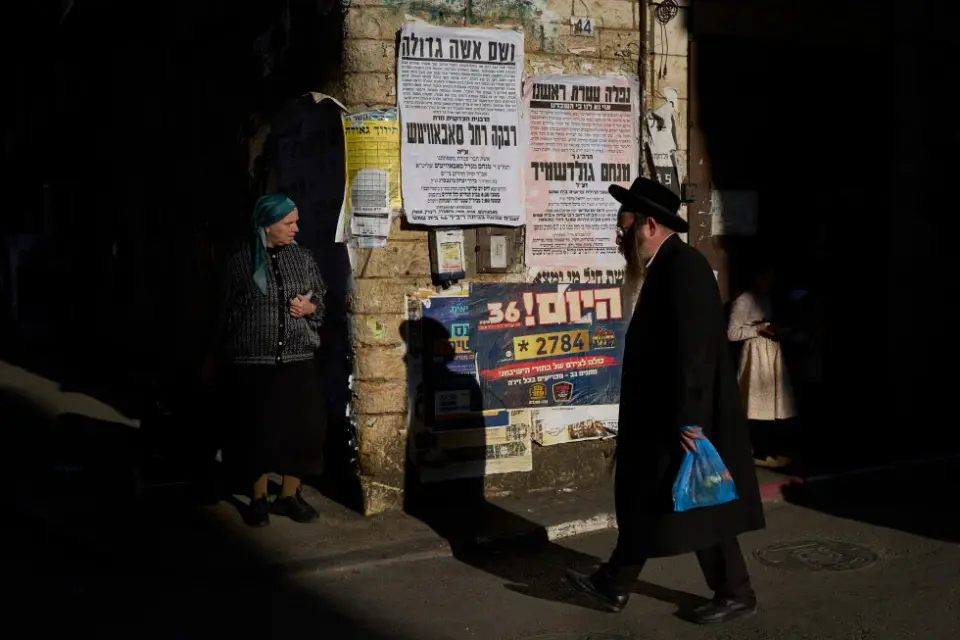
The debate over compulsory military service for ultra-Orthodox men has become a central issue in Israeli politics, reflecting the growing influence of Haredi communities. Recent legislative moves have formalized exemptions and granted temporary immunity to draft evaders, sparking public protests and legal challenges. As Israel approaches its October 27, 2026, general election, this issue remains a key flashpoint, with polls indicating a tight race where coalition-building will be pivotal. The controversy highlights tensions between religious autonomy and national security, particularly amid ongoing regional conflicts and a significant emigration wave.
Key points
- Ultra-Orthodox communities have increased their political clout in Israel, influencing legislation on military service and religious practices.
- Recent laws formalize exemptions for ultra-Orthodox men from compulsory military service and grant temporary immunity to draft evaders.
- Prime Minister Benjamin Netanyahu pushed through controversial bills to secure support from ultra-Orthodox allies ahead of the October 27, 2026, election.
- The debate has sparked public protests and legal challenges, reflecting broad societal opposition to the measures.
- The issue is a key flashpoint in the upcoming election, with polls showing a tight race between Likud, Yashar, and Together.
Background
This issue has been a recurring point of contention in Israeli politics for years. In July 2026, the Knesset dissolved after a historic term, setting the stage for the October 27 election. Prior to dissolution, Netanyahu’s government passed several controversial bills, including those framing Torah study as a state value and expanding government influence over broadcasting. The emigration wave, with 268,930 Israelis leaving Israel between 2023 and 2025, has added urgency to debates about national cohesion and security.
Why it matters
The ultra-Orthodox military service debate is not just a domestic policy issue; it has implications for Israel’s national security and social cohesion. As the country faces ongoing regional tensions and a significant emigration wave, the ability to mobilize its population for defense is crucial. The growing political power of ultra-Orthodox communities could shape future policies and alliances, potentially affecting Israel’s stability and international standing.
What to watch
The October 27, 2026, general election will be pivotal in determining the future direction of Israel’s policies on ultra-Orthodox military service. Coalition-building will be critical, as no party is projected to win a majority. The outcome of the election could lead to further legislative changes or a reversal of recent measures, depending on the political landscape and public sentiment.
Want the full story? Read the original reporting
Read on apnews.com