
Abbas Declares Hamas Terror Group, Clearing Path for Eisenkot Coalition
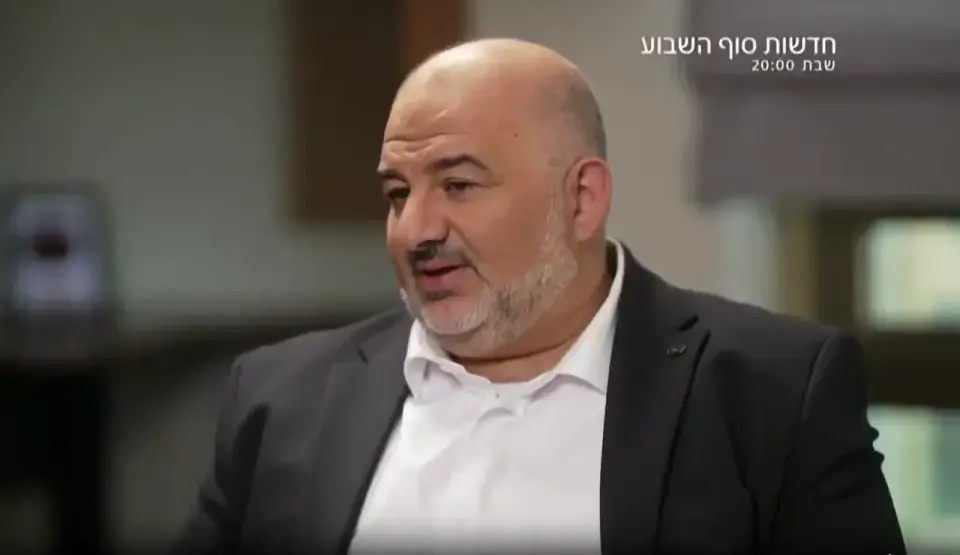
Mansour Abbas, leader of the Arab-led United Arab List (Ra’am), publicly designated Hamas as a terrorist organization on November 28, 2026. This declaration satisfies a key condition set by opposition leader Gadi Eisenkot for Ra’am to join his coalition, potentially enabling Eisenkot to form a government without Prime Minister Benjamin Netanyahu. While Eisenkot’s bloc views the move as a breakthrough, Netanyahu allies accuse Abbas of deception, arguing the statement is a political maneuver to undermine the current government. Ra’am has also pledged full coalition discipline on security matters in exchange for cabinet posts and significant investment in Arab communities.
Key points
- Mansour Abbas publicly recognized Hamas as a terrorist organization in a Channel 12 interview on November 28, 2026, fulfilling a prerequisite for joining Gadi Eisenkot’s coalition.
- Eisenkot, who has nine days remaining in his mandate to form a government, had required such a declaration from Ra’am as a condition for participation.
- Ra’am has pledged to support the Eisenkot government’s security decisions, including West Bank regulations, for the full four-year term in exchange for cabinet positions for Abbas and Yoav Segalovitz.
- Ra’am is seeking a comprehensive crime-fighting plan, a five-year development budget for Arab towns, and a national construction regulation project, with some demands to be implemented gradually.
- Netanyahu’s allies, including Defense Minister Israel Katz and National Security Minister Itamar Ben Gvir, accused Abbas of engaging in 'taqiyya' (lying) and called the declaration a deceptive political maneuver.
- Eisenkot’s coalition talks have advanced with the Democrats and Yisrael Beytenu, while United Torah Judaism has opened formal talks, and B’Yachad remains aligned but prefers a unity government with Likud.
Background
Following the October 2026 Israeli election, no party secured a majority, leaving Arab-led parties as potential kingmakers. Previous analyses suggested Netanyahu could not form a government without Arab support, while Eisenkot faced criticism for refusing to partner with them. Abbas had previously refused to label Hamas a terror group, citing safety concerns and a desire to act as a 'bridge.' The 2026 election saw Ra’am rebrand as a civic party, adding Jewish candidate Yoav Segalovitz to its slate to broaden its base and signal willingness to join a government.
How outlets are covering it
The Times of Israel and The New York Sun framed Abbas’s declaration as a pivotal step enabling Eisenkot to form a government, highlighting the political stakes and Ra’am’s demands. Haaretz confirmed the declaration occurred, emphasizing Abbas’s statement that the matter was 'long settled' and criticizing efforts to delegitimize Arab representatives. In contrast, Netanyahu’s allies, including Likud, Defense Minister Israel Katz, and National Security Minister Itamar Ben Gvir, dismissed the declaration as 'lip service' and 'taqiyya,' accusing Abbas of lying to undermine the current government and join a 'destructive' coalition. The right-wing bloc argued that Abbas’s move was a political maneuver driven by personal hatred toward Netanyahu rather than genuine ideological change.
Why it matters
Abbas’s declaration removes a major obstacle to forming a coalition government without Netanyahu, potentially shifting power in Israel. It tests the viability of Arab-led parties in a governing coalition and sets the stage for a new government that may prioritize security cooperation with Arab communities. The move also intensifies political polarization, with right-wing factions accusing Arab leaders of deception, while left-wing and centrist blocs view it as a necessary step for stability and inclusion.
What to watch
Eisenkot is expected to continue coalition talks with United Torah Judaism and other parties within his nine-day mandate. Ra’am is not expected to join the initial government formation but may be included in an expanded coalition afterward. The outcome of these talks will determine whether Eisenkot can secure the 61 seats needed to form a government or if the mandate reverts to Netanyahu. The political fallout from Abbas’s declaration may also influence public opinion and future coalition dynamics.
- Ra’am’s Abbas set to declare Hamas a terror group, paving way for Eisenkot coalition The Times of Israel
- Mansour Abbas affirms that his Ra’am party considers Hamas a terror organization The Times of Israel
- Israeli-Arab Leader Indicates He Sees Hamas as a Terrorist Group Bloomberg.com
- UAL Leader Mansour Abbas Calls Hamas Terror Group, Meeting Eisenkot's Demand Haaretz
- Eisenkot Moves Closer To Becoming Israel’s Next Prime Minister as Mansour Abbas Teases Shift on Hamas The New York Sun
Want the full story? Read the original reporting
Read on The Times of Israel