
Allegations of PMO-orchestrated arrests spark crisis in Israeli coalition talks
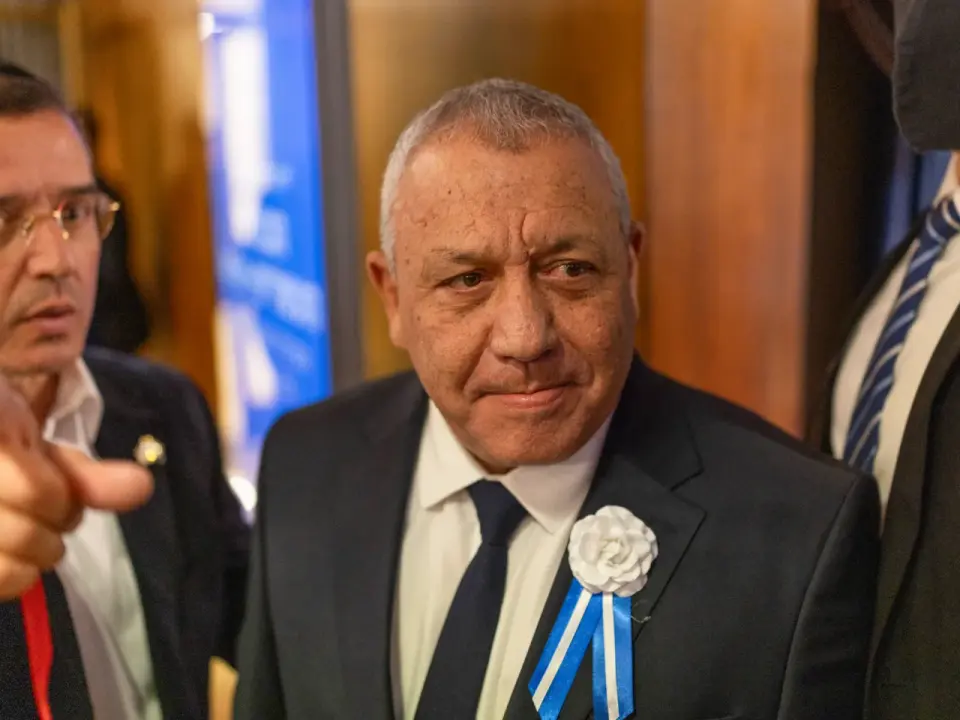
Israeli opposition leader Gadi Eisenkot has demanded that Prime Minister Benjamin Netanyahu step down immediately, citing allegations that Netanyahu’s office orchestrated false arrests to undermine the October 27 election. Channel 12 reported that Netanyahu’s chief of staff, Ido Norden, tipped police to a source who is a former PMO employee, leading to the warrantless arrest of three Ra’am party members on election day. The arrests were based on unfounded bribery claims, and the suspects were released without charges. Eisenkot, tasked with forming a government, called the actions a direct threat to democracy and pledged to establish a commission of inquiry. Netanyahu’s office denied the allegations, stating Norden merely reported criminal information to police. The controversy has intensified the deadlock in coalition negotiations, with neither bloc securing the 61 seats needed to govern.
Key points
- Channel 12 reported that Ido Norden, Netanyahu’s chief of staff, contacted police on October 26, the eve of the election, alleging vote-buying by Ra’am party members.
- Police raided the homes of three Ra’am members without a warrant on October 27, arresting them based on information from a source who was a former PMO employee.
- The three men were released within days after police determined the information was unfounded; one was held for six days before release by a magistrate.
- Eisenkot stated Netanyahu cannot remain in office and called for an immediate investigation into the alleged interference.
- Netanyahu’s office denied the report, claiming Norden acted as a law-abiding citizen by reporting criminal information to police.
- Attorney General Gali Baharav-Miara and police are probing whether the PMO deliberately manufactured the arrests to bolster claims of electoral fraud.
Background
The 2026 Israeli election resulted in a deadlock, with neither Netanyahu’s bloc nor Eisenkot’s opposition securing the 61 seats required to form a government. Arab-led parties won a record 19 seats, with turnout reaching nearly 80 percent, compared to 53 percent in 2022. This surge complicated coalition math and led to intense delegitimization campaigns against Arab parties. President Isaac Herzog began consultations to form a government, with a 28-day initial deadline. If no government is formed, a repeat election is likely, potentially marking the seventh in eight years. The current crisis over alleged vote meddling adds to the tension in these negotiations.
How outlets are covering it
Al Jazeera and The Times of Israel emphasize the severity of the alleged interference, highlighting the warrantless arrests and the release of the suspects without charges. They focus on Eisenkot’s demand for Netanyahu’s resignation and the potential impact on democratic integrity. The New York Times, in an earlier report, focused on Eisenkot’s accusations of a 'racist' campaign against Arab citizens, linking the current allegations to broader delegitimization efforts. Netanyahu’s office, as reported by The Times of Israel, denies the allegations, stating that Norden merely reported criminal information to police and that any further involvement is false. The Times of Israel also notes that a senior law enforcement official expressed concern that the actions could undermine future elections, while The New York Times highlights the condemnation of Netanyahu’s remarks by diplomats and analysts as incitement. The sources differ in their emphasis: Al Jazeera and The Times of Israel focus on the specific allegations of vote-buying and the political fallout, while The New York Times frames the issue within the broader context of racial and political delegitimization of Arab citizens.
Why it matters
The alleged interference in the 2026 Israeli election by the Prime Minister’s office raises serious concerns about the integrity of the democratic process. If the allegations are substantiated, it could lead to a loss of public confidence in the electoral system and potentially trigger a repeat election. The crisis also complicates the formation of a government, as Eisenkot is tasked with forming a coalition but faces a deadlock. The incident underscores the deepening rift between Jewish and Arab political visions in Israel and the potential for political violence and delegitimization of minority groups. The outcome of the investigation and the coalition negotiations will have significant implications for Israel’s political stability and the rights of its Arab citizens.
What to watch
The Attorney General’s Office and police are probing whether the PMO deliberately manufactured the arrests to undermine the election. Eisenkot has pledged to establish a commission of inquiry to investigate the interference. Coalition negotiations between Eisenkot’s Yashar party and Netanyahu’s Likud party are ongoing, but neither bloc has secured the 61 seats needed to form a government. If no government is formed within the 28-day deadline, a repeat election is likely. The outcome of the investigation and the coalition negotiations will determine whether Netanyahu remains in office or if a new government is formed.
- Eisenkot says Netanyahu can’t remain Israel PM amid alleged vote meddling Al Jazeera
- Police said to probe whether PM’s office faked Arab vote-buying scandal to undermine election The Times of Israel
- Eisenkot Accuses Netanyahu of Fueling ‘Racist’ Hostility Against Arabs The New York Times
- Ex-Netanyahu Aide Behind Election Day Tip That Led to Arab Activists' Arrests, Report Says Haaretz
- Netanyahu staff allegedly colluded with police, Shin Bet to undermine Israeli election - report i24NEWS
Want the full story? Read the original reporting
Read on Al Jazeera