
Alleged PMO-orchestrated arrests of Arab activists deepen Israeli democratic crisis
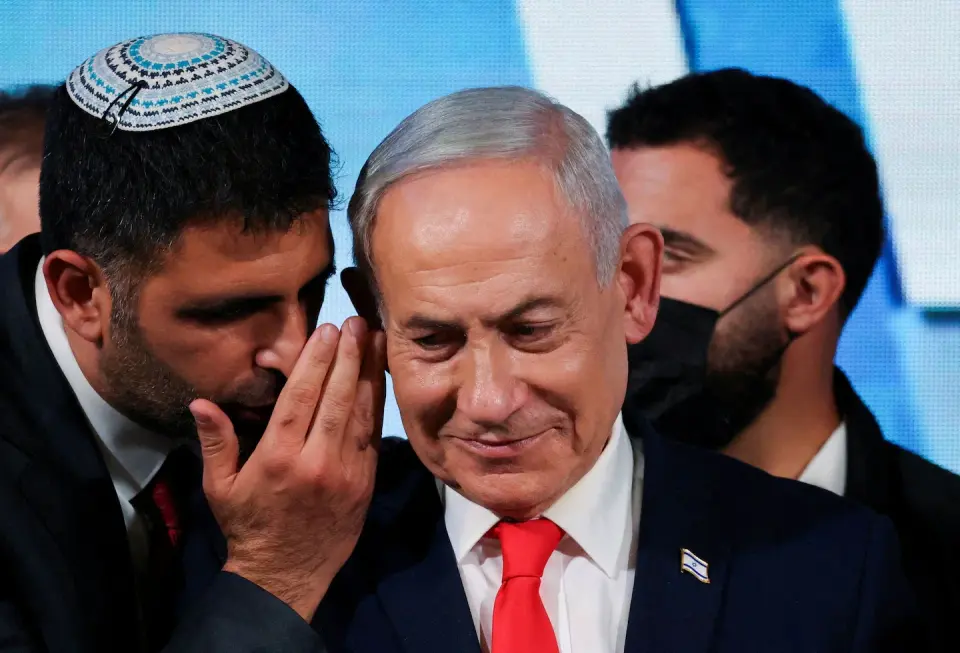
Israeli opposition leader Gadi Eisenkot has declared that Prime Minister Benjamin Netanyahu can no longer remain in office after Channel 12 reported that Netanyahu’s office allegedly orchestrated the arrest of Arab party workers on election day. The report claims Netanyahu’s chief of staff, Ido Norden, tipped police to a former PMO employee, leading to the warrantless arrest of three Ra’am activists based on unfounded bribery claims. All suspects were released without charges. Eisenkot, tasked with forming a new government, has demanded an immediate investigation and rejected unity talks with Netanyahu, calling the alleged actions a direct threat to Israeli democracy. Netanyahu’s office denies wrongdoing, stating Norden merely reported criminal information to police.
Key points
- Channel 12 reported that Netanyahu’s chief of staff, Ido Norden, contacted police before the Oct. 27 election, directing them to a former PMO employee who provided information leading to the arrest of three Ra’am party members.
- The three men were arrested without a warrant on suspicion of voter bribery but were released within days after police determined the information was unfounded; no charges were filed.
- Eisenkot, who is tasked with forming a government, stated that Netanyahu’s conduct poses a 'tangible, direct and immediate threat to Israeli democracy' and demanded an investigation into the PMO, Shin Bet, and police.
- Shin Bet chief David Zini allegedly sought legal authorization to wiretap five Arab lawmakers on election day, but Attorney General Gali Baharav-Miara denied the request, fearing it would set a dangerous precedent.
- Netanyahu’s office denied the allegations, claiming Norden acted as a law-abiding citizen by passing credible criminal tips to police, and dismissed the report as a politically motivated attempt to silence the election-tampering affair.
- Neither Netanyahu’s bloc nor Eisenkot’s opposition has secured the 61 seats required to form a government, and coalition talks have stalled amid the controversy.
Background
Following the Oct. 27 election, in which Arab-led parties won a record 19 seats, Netanyahu claimed the vote was stolen and accused Arab parties of fraud. These claims fueled street protests and led Likud to attempt to block the certification of results, though the Central Elections Committee confirmed the vote's integrity. Eisenkot was tasked by President Isaac Herzog on Nov. 8 with forming a new coalition, but negotiations have been complicated by the recent allegations of state interference.
How outlets are covering it
The Washington Post and The Times of Israel emphasize the potential for a pre-planned effort to undermine the election's legitimacy, citing Channel 12’s report that Norden tipped police to a former PMO employee. Al Jazeera highlights Eisenkot’s refusal to form a unity government with Netanyahu, framing the alleged actions as a direct threat to democracy. Euronews quotes opposition leaders Yair Lapid and Yousef Jabareen, who described the events as an 'attempted coup' and a 'criminal mechanism' to rig the results. Netanyahu’s office maintains that Norden merely reported criminal information to police and denies any interference, while the Israeli police and Shin Bet have stated they are conducting internal investigations into the matter.
Why it matters
The allegations of state-orchestrated arrests and attempted wiretaps during an election raise serious concerns about the integrity of Israeli democracy and the rule of law. If confirmed, the actions could delegitimize the election results and undermine public trust in the political process. The crisis has stalled coalition talks, leaving Israel without a functioning government and potentially leading to a second election if Eisenkot fails to form a coalition within the next five weeks.
What to watch
Eisenkot has pledged to establish a commission of inquiry to investigate the PMO’s role in the election-day arrests and the conduct of security agencies. The Israeli police and Attorney General’s office are conducting internal investigations into the allegations. Likud has until Nov. 18 to appeal the election results, though the Central Elections Committee has already certified the vote. Coalition talks between Eisenkot’s bloc and other parties, including Arab-led and ultra-Orthodox parties, will continue, but the controversy has made a unity government with Netanyahu highly unlikely.
- After claiming election stolen, Netanyahu allies face their own meddling allegations The Washington Post
- Eisenkot says Netanyahu can’t remain Israel PM amid alleged vote meddling Al Jazeera
- Police, AG said probing whether PM’s office orchestrated Arab vote-buying scandal to delegitimize election The Times of Israel
- Israeli opposition chiefs denounce Netanyahu over 'attempted coup' Euronews.com
- Eisenkot Accuses Netanyahu of Fueling ‘Racist’ Hostility Against Arabs The New York Times
Want the full story? Read the original reporting
Read on The Washington Post