
Bosnia's 2026 Election: Dodik's Shadow, Tech Glitches, and Youth Exodus
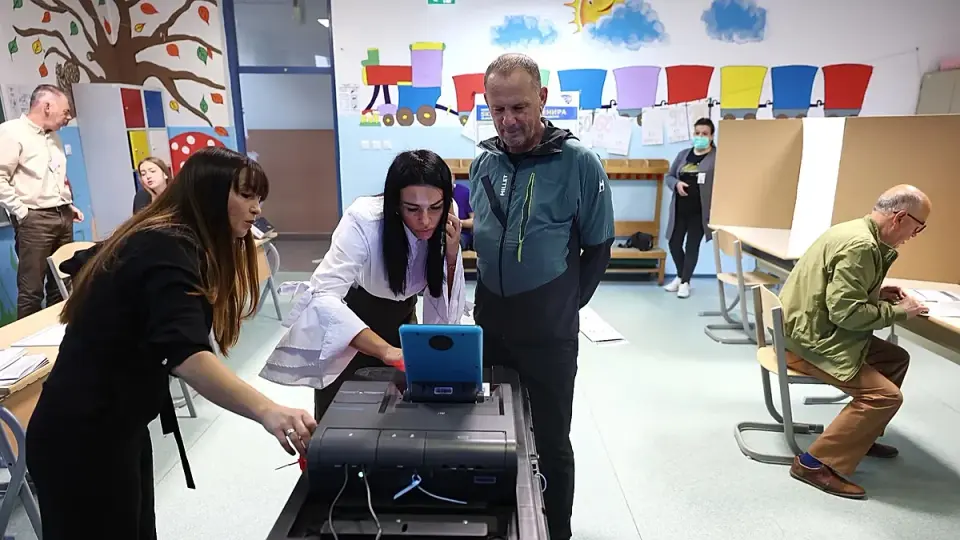
Bosnia and Herzegovina held its general election on October 4, 2026, with preliminary results pending. The vote featured new biometric identification and ballot scanning to combat fraud, though technical issues delayed voting at some stations. Milorad Dodik, banned from office, dominated the campaign despite not being a candidate. Voter turnout was lower than in 2022, and many young citizens remain disillusioned by ethnic nationalism and economic stagnation.
Key points
- Preliminary results are unclear as Bosnia waits for final counts from its complex multi-ethnic electoral system.
- New digital voting technology, including biometric ID and scanners, was introduced to prevent tampering but caused delays at several polling places.
- Milorad Dodik, banned from public office, influenced the campaign heavily, with his party likely to win in Republika Srpska.
- Voter turnout was approximately 27% by 3 p.m., lower than the 35% recorded at the same time in 2022.
- Young voters are disillusioned, with over 600,000 people leaving the country in the past decade due to economic hardship and political stagnation.
Background
Bosnia's political structure, established by the 1995 Dayton peace agreement, divides the country into two entities to manage ethnic divisions among Bosniaks, Serbs, and Croats. The country has struggled with political blockades and stalled EU accession progress since gaining candidate status in 2022. Recent tensions were heightened by public tributes to convicted war criminal Ratko Mladić, which drew EU criticism.
How outlets are covering it
Euronews highlights the technical failures of the new voting systems and the dominance of Dodik despite his ban. Al Jazeera provides a detailed breakdown of the complex electoral system and the candidates for the three-member presidency. The Guardian focuses on the youth exodus, noting that non-nationalist parties struggle to gain traction as young people leave the country. AP News reports that Dodik claimed victory, emphasizing the ongoing ethnic tensions and the influence of Russian-backed politics.
Why it matters
The outcome of this election will determine whether Bosnia can advance its EU accession negotiations or remain stuck in ethnic gridlock. The success or failure of the new voting technology will impact future confidence in the electoral process. Additionally, the continued influence of separatist figures like Dodik poses a risk to regional stability in the Balkans.
What to watch
The Central Election Commission will release preliminary results late on October 4, with official results expected by November 20. Political parties will need to form coalitions to govern the complex multi-level system. The EU will monitor the outcome for signs of progress or regression in Bosnia's reform agenda.
- Bosnia votes as ethnic divisions and stalled EU bid dominate polls Euronews.com
- Bosnia votes Sunday in election that could affect EU bid Reuters
- Bosnia general election 2026 explained in maps and charts Al Jazeera
- Can anything politicians say at Sunday’s election stop young people from leaving Bosnia? The Guardian
- Bosnia votes as pro-Russian politician looms large over the race and ethnic tensions simmer AP News
Want the full story? Read the original reporting
Read on Euronews.com