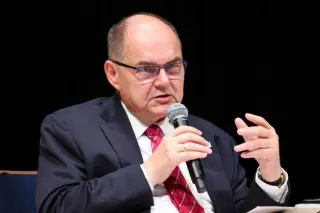
Christian Schmidt, the High Representative overseeing Bosnia and Herzegovina, resigns amid ongoing clashes with Bosnian Serb leader Milorad Dodik, signaling a potential shift in the country’s international oversight.
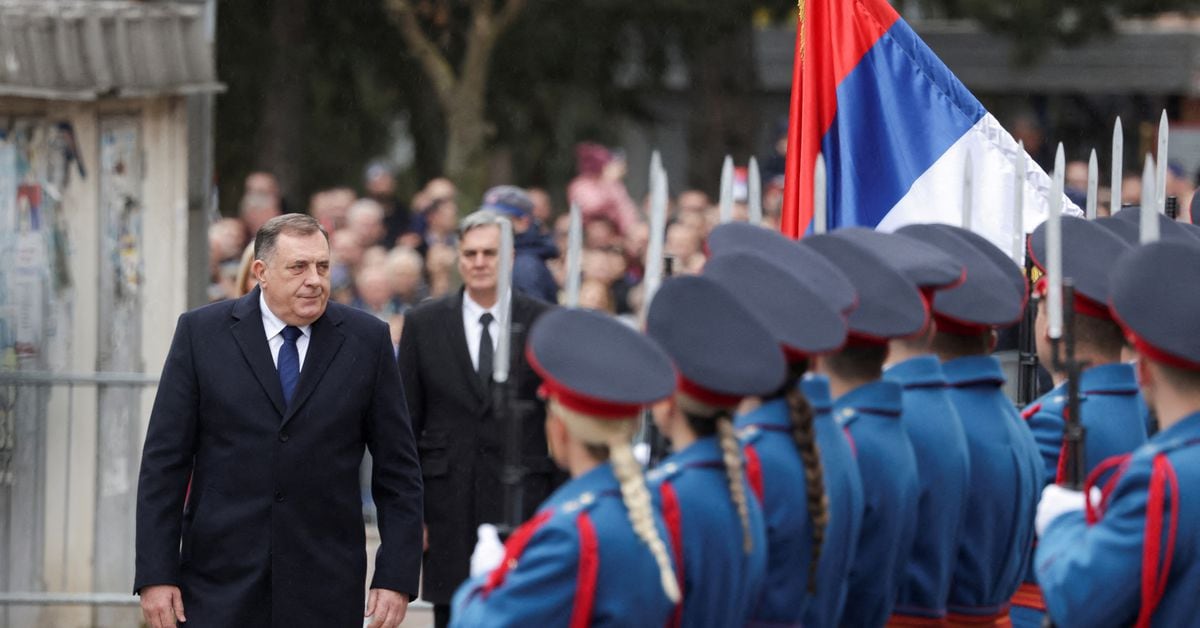
The parliament of Bosnia's Serb Republic appointed Ana Trisic Babic as interim president following Milorad Dodik's removal from office due to a court ban, with Dodik continuing to pursue secessionist goals despite stepping down. The move was welcomed by the U.S., which also lifted sanctions on some of Dodik's allies, amid ongoing tensions over Bosnia's stability.
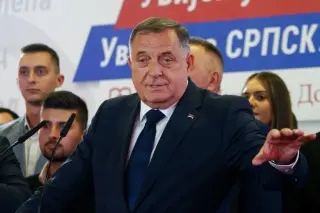
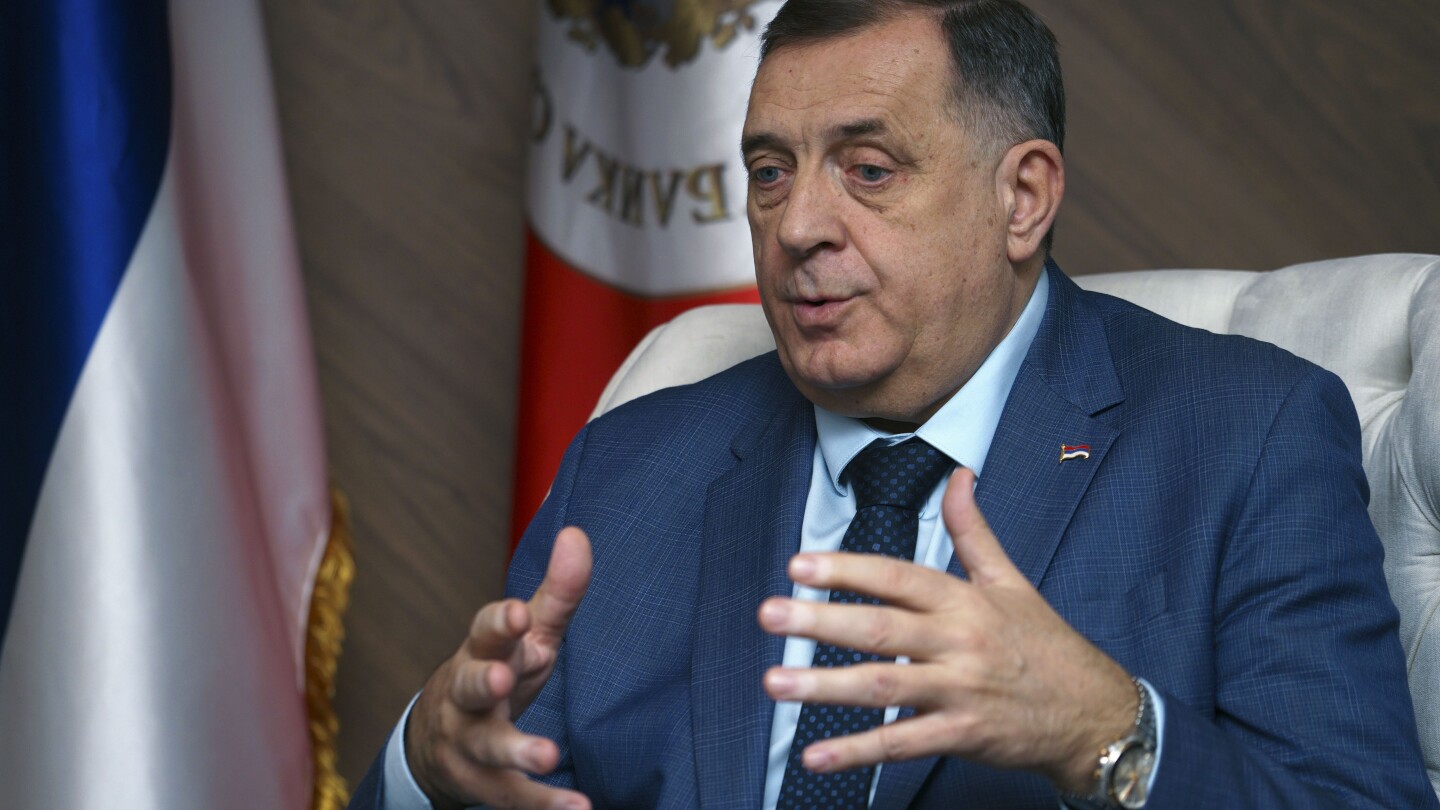
Milorad Dodik, a key nationalist leader in Bosnia's Republika Srpska, faces removal from office after a court upheld his prison sentence, challenging his longstanding efforts to weaken Bosnia's institutions and threatening potential unrest amid international concerns over regional stability.
Milorad Dodik, a key nationalist leader in Bosnia's Serb-majority Republika Srpska, faces removal from office after a court upheld his prison sentence, challenging his long-standing efforts to weaken Bosnia's institutions and threaten secession, with potential regional destabilization and international repercussions.
Bosnian Serb leader Milorad Dodik was stripped of his presidency after a court upheld a six-year political ban, leading to a political crisis and calls for snap elections, with Dodik vowing to contest the decision and rally support amid international reactions.
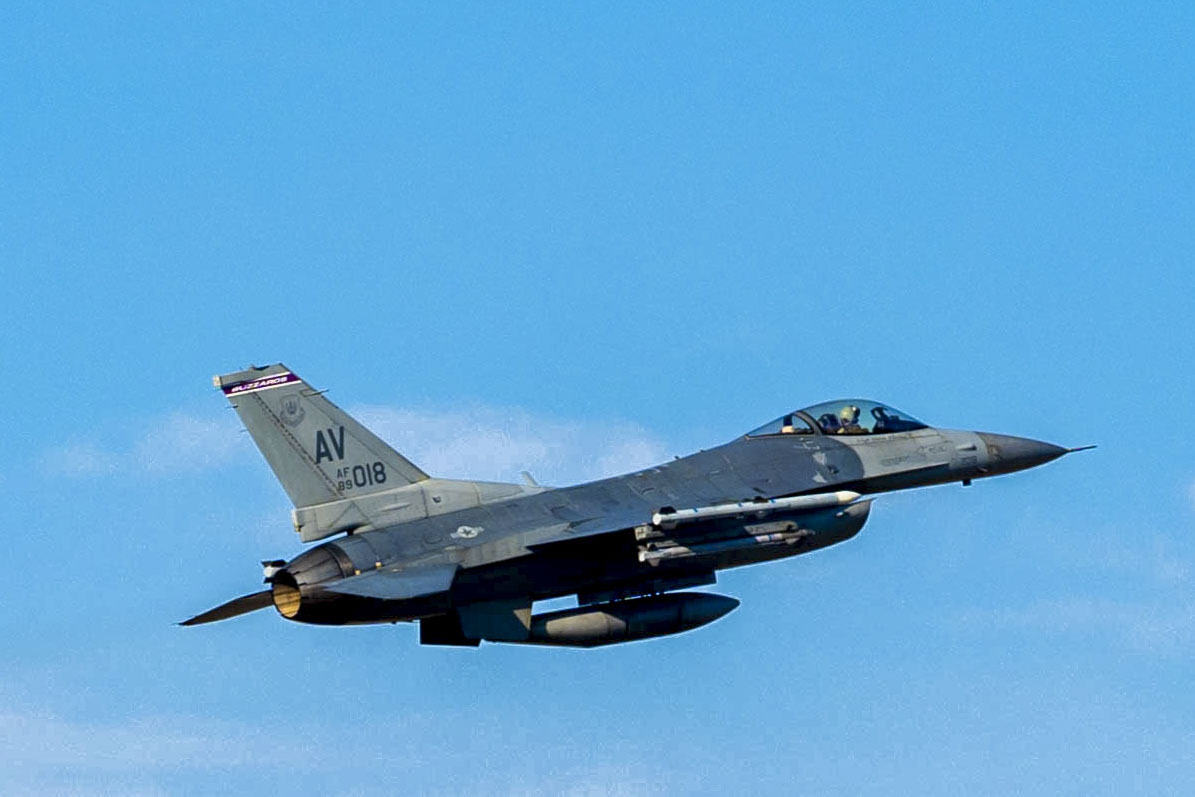
Two U.S. fighter jets flew over Bosnia in a show of support for the country's unity amid growing secessionist movements led by Bosnian Serb leader Milorad Dodik, who is backed by Russia. The flyovers were part of joint air-to-ground training and aimed to demonstrate the U.S.' commitment to Bosnia's territorial integrity as outlined in the Dayton peace agreements. The move comes as Dodik's government marks a controversial national holiday, and tensions rise over the potential secession of the Serb-run entity from the rest of Bosnia.
Two U.S. fighter jets are scheduled to fly over Bosnia in a show of support for the country's unity amid increasing secessionist actions by Bosnian Serb leader Milorad Dodik, who is backed by Russia. The flyovers are part of joint air-to-ground training and aim to demonstrate the United States' commitment to Bosnia's territorial integrity in the face of secessionist activities. Dodik has defied U.S. and British sanctions and plans to hold a celebration of a controversial national holiday that Bosnia's top court has declared unlawful. The U.S. Embassy emphasized that the BiH Constitution provides no right of secession and warned of potential action if this basic element of the Dayton peace agreements is challenged.
Two F-16 fighter jets will fly over Bosnia in a show of support for the country's territorial integrity against "secessionist activity" by Bosnian Serb leader Milorad Dodik, who has been advocating for the secession of the Serb Republic. The U.S. embassy in Sarajevo stated that the overflight is part of bilateral air-to-ground training with Bosnia's national armed forces and aims to demonstrate the United States' commitment to ensuring the territorial integrity of Bosnia-Herzegovina in the face of anti-Dayton and secessionist activity. Dodik faces charges for defying the rulings of the peace envoy and his trial has been adjourned until Jan. 20.
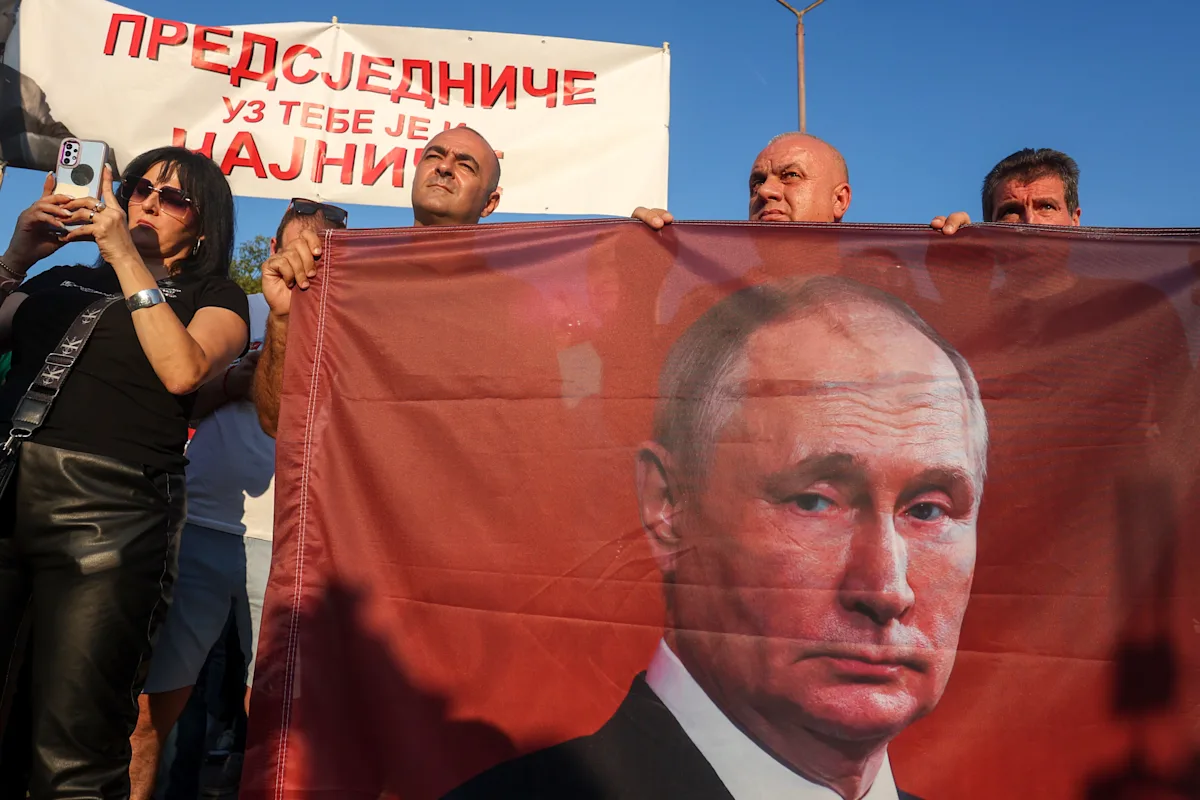
Bosnian Serbs staged protests in support of their separatist leader, Milorad Dodik, who seeks union with neighboring Serbia. The protesters waved flags of Serbia and Russia, and briefly blocked traffic between the Bosnian Serb Republika Srpska and the Bosniak-Croat federation. Dodik, who has close ties to Russian President Vladimir Putin, has been striving to separate Bosnian Serb territories from the rest of Bosnia. He is facing charges for his separatist actions and defying decisions by an international official overseeing peace in the country.
The Bosnian Serb parliament has passed a law recriminalizing libel, which critics argue will curtail freedom of expression and silence critical media. The law, championed by pro-Russian Bosnian Serb President Milorad Dodik, reintroduces fines of up to 60,000 euros for libel, far beyond the means of most people in the impoverished Balkan nation. Journalist organizations and international rights groups have called for the law to be revoked, warning of devastating consequences on freedom of speech. Bosnian Serb journalists have held protests against the amendment, while Dodik and his ruling party seek to tighten their grip on power in the Serb-run mini-state.