
Brazil Supreme Court extends vote amid transport sabotage claims
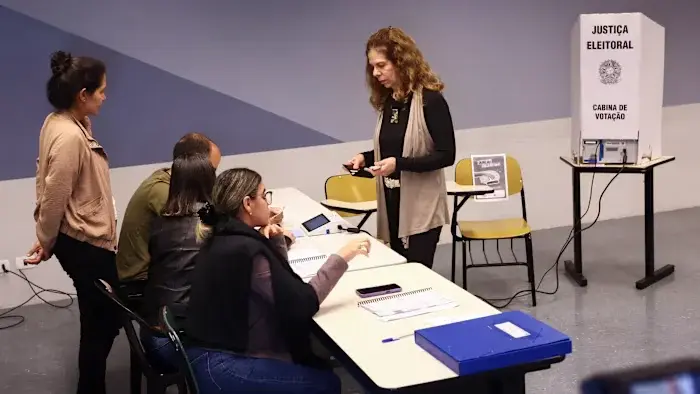
Brazil’s Supreme Court extended presidential runoff voting by two hours after reports of bus service cuts in key states. The move, ordered by Justice Cristiano Zanin, followed complaints from both campaigns but sparked accusations of bias. Vote counting paused briefly before resuming as the race between Lula and Flávio Bolsonaro remains tight.
Key points
- Justice Zanin ordered polling stations to remain open until 7pm, though counting had already begun in many areas, causing confusion.
- Lula’s coalition alleged that mayors in nine states, including São Paulo and Salvador, illegally reduced bus fleets to suppress voter turnout.
- In Salvador, the Electoral Court ordered the arrest of the Mobility Secretary and imposed a fine of R$1 million per hour for non-compliance.
- Flávio Bolsonaro’s campaign criticized the extension as 'shameful,' noting Zanin was formerly Lula’s defense lawyer.
- The runoff is a proxy for the 2022 election, with Flávio Bolsonaro pledging closer ties to the US and freeing his father, Jair Bolsonaro.
Background
This election follows a period of intense judicial turmoil in Brazil, including a public feud between Supreme Court justices over the Banco Master scandal and investigations into Flávio Bolsonaro’s financial ties to that case. The current runoff is viewed as a critical test for Brazil’s democratic stability and its geopolitical alignment with the US.
How outlets are covering it
The Financial Times highlights the legal and logistical chaos, noting that the extension was technically unenforceable in areas where voting had already closed. Payday Report emphasizes the political dimension, framing the bus cuts as deliberate voter suppression by local mayors in Lula strongholds. Jurinews provides specific legal details, citing the arrest warrant for Salvador’s Mobility Secretary and the hourly fines imposed. AP News focuses on the operational confusion, noting that the late decision disrupted the counting process and set the stage for potential legal challenges regardless of the outcome.
Why it matters
The outcome will determine Brazil’s foreign policy direction, particularly its relationship with the US and the BRICS bloc. A Flávio Bolsonaro victory would likely align Brazil more closely with Washington, while a Lula re-election promises continuity in social programs and environmental protections. The transport disputes also raise serious questions about the integrity of the electoral process in a major democracy.
What to watch
Vote counting is ongoing, with results expected to be tight. Legal challenges are anticipated from both sides regarding the extension and the transport incidents. The final outcome will likely be influenced by the narrow margins reported in recent polls and the economic concerns of voters regarding cost of living and debt.
- Brazil’s Supreme Court extends voting as transport complaints mar election Financial Times
- BREAKING: Lula Calls for Arrests of Brazilian Mayors Who Cut Off Bus Service on Election Day Payday Report
- Electoral Justice orders PF to arrest Salvador Mobility Secretary for Bus Retention Jurinews
- AP News Summary at 6:46 p.m. EDT dailyrecordnews.com
- Bahia court sets R$1 million fine for not restoring buses — The Rio Times UA.NEWS
Want the full story? Read the original reporting
Read on Financial Times