
Brazil’s 2026 Presidential Race Heads to Runoff After Flávio Bolsonaro’s Surprise First-Round Lead
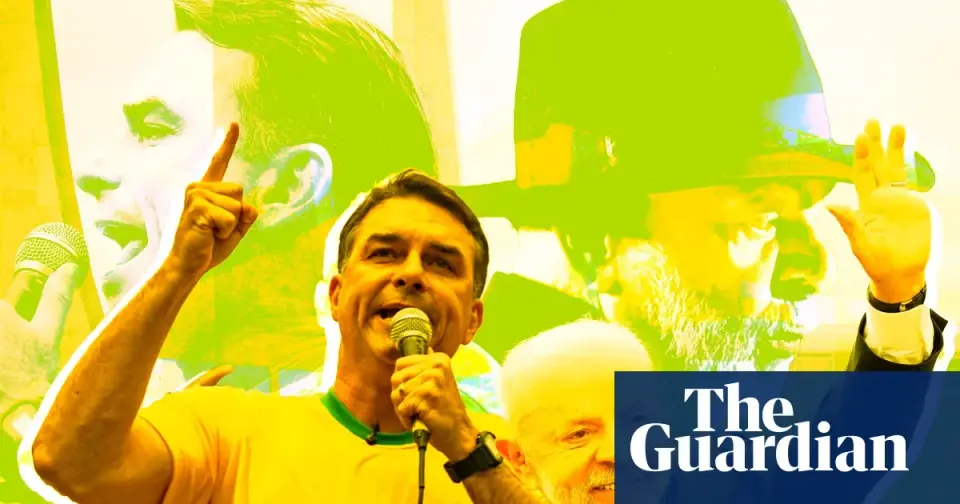
Brazil’s 2026 presidential election will proceed to a runoff on October 25 after Senator Flávio Bolsonaro and incumbent Luiz Inácio Lula da Silva failed to secure a majority in the first round. Bolsonaro led with 47.45% of the vote, outperforming pre-election polls, while Lula received 44.66%. The result signals a shift toward the right in Latin America, with right-wing parties gaining significant legislative seats. The campaign was defined by corruption scandals, economic anxiety, and international tensions, particularly regarding US interference and tariffs. Both candidates now face a three-week campaign to win over moderate voters in a highly polarized electorate.
Key points
- Flávio Bolsonaro led the first round with 47.45% of the vote, surpassing expectations, while Lula received 44.66%.
- Neither candidate secured the 50% majority required to win outright, leading to a runoff on October 25.
- Right-wing parties, led by Bolsonaro’s Liberal Party, are projected to win significant seats in the Senate and Chamber of Deputies.
- The campaign was marked by corruption scandals, including the Banco Master case, and deep voter polarization.
- International tensions, including US tariffs and allegations of interference, influenced voter sentiment and campaign strategies.
Background
Brazil’s 2026 presidential election follows a period of intense political polarization and economic uncertainty. The campaign was influenced by the Banco Master corruption scandal, which implicated both candidates and Supreme Court Justice Alexandre de Moraes. Voter fatigue and apathy were noted, with many Brazilians feeling disillusioned by systemic corruption. The election also took place against the backdrop of US-Brazil tensions, including tariffs and allegations of US interference in the election. Previous coverage highlighted the importance of women’s issues and the growing influence of the far right in Latin America.
How outlets are covering it
The Guardian emphasized the live results and the close race between Lula and Bolsonaro, noting that Bolsonaro’s performance exceeded poll predictions. Al Jazeera highlighted the broader regional trend of right-wing consolidation, with analysts suggesting that Bolsonaro’s victory could signal a shift in Latin America’s political landscape. CNN focused on the international dimensions of the election, including US-Brazil tensions and the impact of corruption scandals on voter sentiment. All three outlets agreed that the runoff would be a critical test of both candidates’ ability to win over moderate voters in a polarized electorate.
Why it matters
The outcome of Brazil’s 2026 presidential election will have significant implications for the country’s domestic policies and its role on the global stage. A Bolsonaro victory could reverse Lula’s environmental and social policies, while a Lula win would maintain Brazil’s multilateral approach and focus on poverty reduction. The election also reflects broader trends in Latin America, where right-wing parties have gained ground in recent years. The runoff will determine whether Brazil continues its current trajectory or shifts toward a more conservative, security-focused agenda.
What to watch
The runoff election is scheduled for October 25, 2026. Both Lula and Bolsonaro will have three weeks to campaign for moderate voters who did not support them in the first round. The outcome will depend on their ability to address key issues such as crime, corruption, and economic affordability. The results will also influence Brazil’s foreign policy, particularly its relationship with the US and its stance on global issues such as climate change and human rights.
- Brazil presidential election 2026: first-round live results The Guardian
- Polls close in Brazil as country awaits results of high-stakes election Reuters
- Brazil election results live: Lula and Bolsonaro locked in a tight race Al Jazeera
- Trump, crime and corruption loom over Brazil’s presidential vote CNN
- Lula Is the Brazilian Left’s Last Hope—And Its Biggest Problem WSJ
Want the full story? Read the original reporting
Read on The Guardian