
Bukele registers for third term as Salvadoran troops face first casualties in Haiti
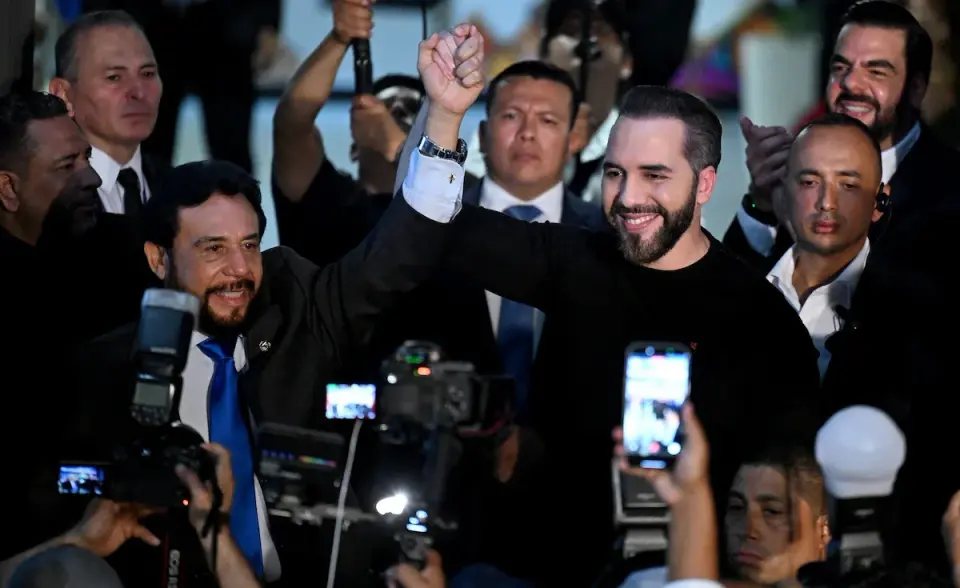
El Salvador President Nayib Bukele has formally registered his candidacy for a third term in the February 2027 election, a move critics call an illegal consolidation of power. The registration occurs as Bukele deploys approximately 2,500 troops to Haiti to combat gangs, a mission that recently resulted in the first fatalities among Salvadoran soldiers. While Bukele enjoys high domestic approval ratings due to his anti-crime crackdown, international observers warn of severe democratic erosion and human rights abuses.
Key points
- Bukele submitted his candidacy to the Supreme Electoral Tribunal on November 20, 2026, ahead of a February 28, 2027 election.
- A 2025 constitutional amendment allowed Bukele to seek a third term and extended presidential terms from five to six years, potentially keeping him in power until 2033.
- Approximately 2,500 Salvadoran troops are deployed in Haiti to fight gangs following the disappearance of four aviation technicians in October 2026.
- Three Salvadoran soldiers were killed and one injured in an explosion in Haiti on November 20, 2026, marking the first fatalities since the deployment began.
- Bukele’s approval rating is estimated at 90%, largely driven by a 2022 state of emergency that reduced gang violence but suspended civil liberties.
Background
Bukele first took office in 2019 after traditional parties failed to address gang violence. In 2021, the Supreme Court overturned the ban on immediate re-election, allowing him to run for a second term in 2024. The 2025 legislative changes further consolidated his power by removing term limits entirely. Recent archive coverage highlights growing tensions in Haiti, where gang leaders have sought UN mediation while Bukele’s forces expand their operations, raising concerns about civilian casualties and the lack of a long-term political strategy.
How outlets are covering it
The Washington Post and ABC News emphasize the democratic concerns surrounding Bukele’s bid, noting that his party holds a supermajority in congress and that critics describe the move as an illegal extension of power. They highlight the suspension of civil liberties and the repression of dissent. Al Jazeera provides a detailed timeline of the constitutional changes, noting that while Bukele is a clear favorite, other candidates from the left and right are also contesting the presidency. All sources agree on the high domestic approval ratings but diverge on the characterization of the Haiti mission; ABC News suggests it may be a political spectacle to offset scrutiny, while the Washington Post focuses on the operational expansion from a rescue mission to a broader offensive. Human rights groups, cited by multiple outlets, warn of systematic abuses in Salvadoran prisons and the weaponization of the state against critics.
Why it matters
Bukele’s potential third term signals a shift toward a de facto one-party state in Central America, challenging democratic norms in the region. The expansion of his anti-gang model to Haiti, including the signing of a prison construction deal, suggests a broader regional influence of his authoritarian tactics. The first fatalities among Salvadoran troops in Haiti indicate the mission is escalating beyond a limited rescue operation, raising questions about international legal standards and the long-term stability of the region.
What to watch
The next major step is the February 28, 2027 election, where Bukele is expected to win decisively. In the interim, the Salvadoran military operation in Haiti will likely continue, with potential further casualties and diplomatic tensions. Domestic opposition may attempt to challenge the legality of the 2025 constitutional amendments, though their political influence has been significantly diminished.
- El Salvador’s Bukele seeks third term that could keep him in power until 2033 The Washington Post
- El Salvador’s Bukele expected to formalise bid for third presidential term Al Jazeera
- El Salvador President Nayib Bukele seeks third term at home while fighting gangs in Haiti ABC News - Breaking News, Latest News and Videos
- El Salvador's Bukele to run for third presidential term Le Monde.fr
- El Salvador's Bukele seeks unprecedented third term as leader Reuters
Want the full story? Read the original reporting
Read on The Washington Post