
Burnham Admits Brexit Failure as UK Prepares Limited EU Reset Amid Domestic Backlash
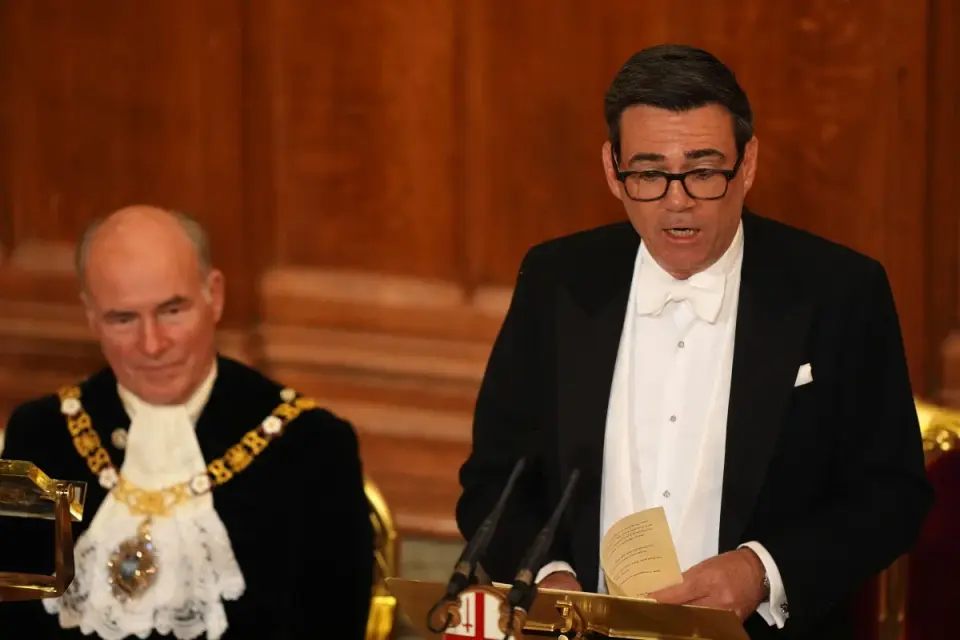
UK Prime Minister Andy Burnham has declared that Brexit has failed to deliver for Britain, urging a closer relationship with the European Union ahead of a summit in Brussels. While the upcoming talks focus on limited measures such as youth mobility and food trade, the move has sparked intense domestic opposition and questions about the long-term viability of rejoining the bloc.
Key points
- Burnham compared the post-Brexit outcome to the fairy tale 'The Emperor's New Clothes,' arguing that the UK must admit the divorce from the EU has not worked.
- The upcoming UK-EU summit in Brussels is expected to finalize agreements on food and drink trade, energy, emissions trading, and a limited youth work scheme.
- Opposition parties, including Reform UK and the Conservatives, have criticized the proposals as 'back door' entry into the EU and a betrayal of the 2016 referendum.
- EU officials describe the current negotiations as 'small steps' and express skepticism about the UK's long-term commitment, noting that the EU has become more protectionist and self-reliant since 2016.
- Burnham has ruled out joining the euro or Schengen area in the short term, but analysts suggest he may propose rejoining the customs union or single market in the future.
Background
This development follows months of internal debate within the Labour government regarding migration and trade. In late October, Burnham signaled openness to reviving free movement, a sharp departure from the party's 2024 manifesto. Recent coverage indicates that while financial firms in London have dismissed the idea of rejoining the EU, Burnham has continued to push for a 'reset' of the 2020 trade deal, facing criticism from Conservative leader Kemi Badenoch and internal cabinet discord.
How outlets are covering it
AP News highlights Burnham's rhetorical framing of Brexit as a failure and the immediate, limited scope of the Brussels summit. BBC provides a deeper analysis of the shifting geopolitical landscape, noting that the EU of 2026 is more protectionist and centralized than the one Britain left, largely due to the Ukraine war and US unpredictability. While AP focuses on the political debate in the UK, BBC emphasizes the EU's perspective, suggesting that Brussels is wary of the UK's commitment and that the UK may need to offer more than just economic benefits to secure a closer relationship. Both sources agree that the current summit is a preliminary step, with more contentious issues like single market access potentially following later.
Why it matters
The outcome of these negotiations will determine the future of UK-EU economic and political relations. If the limited deals fail to yield tangible benefits, Burnham's broader strategy of a 'reset' may falter, potentially leading to a more radical proposal to rejoin the EU or a return to isolationism. The domestic backlash also threatens the stability of the Labour government, as pro-Brexit constituencies remain a significant voting bloc.
What to watch
The UK-EU summit is scheduled for Friday in Brussels. Following the summit, Burnham may propose more significant changes, such as rejoining the customs union or single market, though these are not expected before the next general election. The EU's response to the UK's proposals will depend on the outcome of upcoming elections in France, where Marine Le Pen is leading the polls, which could shift the EU's political center of gravity.
- Burnham says Brexit hasn't worked ahead of EU reset summit, Trump appeals hush money conviction AP News
- The EU that Burnham is eyeing up is very different to the one Britain left BBC
- UK leader Andy Burnham says Brexit hasn’t worked ahead of a reset summit with the EU AP News
- Britain sets out scope of UK-EU summit package ahead of Friday talks Reuters
- Andy Burnham has ignited the Rejoin debate The Economist
Want the full story? Read the original reporting
Read on AP News